Denver’s market has cooled from the double‑digit spikes of the pandemic years into something that looks a lot more normal: think steady, mid‑single‑digit growth instead of wild swings. That doesn’t mean every neighborhood will perform the same way over the next five years.
Some pockets are on local investors’ radar because they combine something special: constrained supply, improving livability, and tangible demand drivers like transit, employers, and redevelopment. In this guide, I’ll walk you through seven Denver neighborhoods that many local investors believe are quietly positioned to outperform the broader market between now and 2031.
This is not a promise of returns or a “buy here and get rich” list. It’s a practical, on‑the‑ground look at where money is moving, what investors are actually buying, and the trade‑offs you should understand before you jump in.
How I Chose These 7 Neighborhoods
Denver as a whole is expected to see more balanced price growth in the coming years, with many forecasts pointing to modest annual appreciation instead of the massive jumps we saw during 2020–2022.
To build this list, I combined:
- Recent sales data and price‑per‑square‑foot trends.
- Investor conversations about cash flow, risk, and “room to run.”
- On‑the‑ground signals like new businesses, infill, and transit improvements.
The neighborhoods below tend to share three traits:
- Constrained supply — It’s hard to build large amounts of new single‑family housing nearby.
- New or growing demand drivers — Think job centers, transit access, or lifestyle corridors.
- Upside relative to nearby areas — Prices that have room to move up toward better‑known neighbors over time.
Quick Snapshot: 7 Denver Neighborhoods Investors Are Watching
Neighborhood | Best For | Price Point (Roughly) | Investor Thesis in One Line | Key Risk to Watch |
|---|---|---|---|---|
Berkeley / Regis | Move‑up buyers, long‑term holds | Mid to upper price points | Walkable, highly livable pocket that still has upside next to fully priced hotspots. | Already competitive; picking the wrong block can limit upside. |
West Colfax / Sloan’s Lake Fringe | Investors comfortable with transitional areas | Mid‑range, with pockets of higher‑end product | New townhomes and mixed‑use bring amenities that can pull up surrounding values. | Inconsistent product and busy streets require careful micro‑location choices. |
Hampden South & Southmoor Park | Families, long‑term owner‑occupants | Moderate to upper‑moderate | Good schools, larger lots, and improving retail corridors with room to re‑rate. | Older housing stock; some homes need more upfront work. |
Virginia Village | Starter and move‑up buyers | Middle price band | Central‑ish location with solid mid‑century bones and strong renovation activity. | Proximity to busy roads in some sections; careful on traffic noise. |
Montbello / Green Valley Ranch | Entry‑level buyers and long‑term holds | Lower to middle price bands | Relatively attainable single‑family homes near major job and transit corridors. | Volatile sentiment; investors need longer time horizons. |
Westwood / Mar Lee | Value‑add investors, first‑time buyers | Lower to mid‑range | Smaller homes on decent lots with increasing renovation and small‑business activity. | Still in transition; not every block sees the same uplift. |
North Aurora Fringe (Near Anschutz) | Buy‑and‑hold investors, house hackers | Lower to mid‑range | Large medical and education hubs create steady demand for both rentals and resale. | Patchy street‑by‑street feel; extra due diligence is critical. |
1. Berkeley / Regis: Walkability and Lifestyle with More Room to Run
Berkeley and nearby Regis have been on local investors’ radar for years, and for good reason. You get tree‑lined streets, access to Tennyson Street’s shops and restaurants, and quick hops onto major thoroughfares that make commuting manageable.
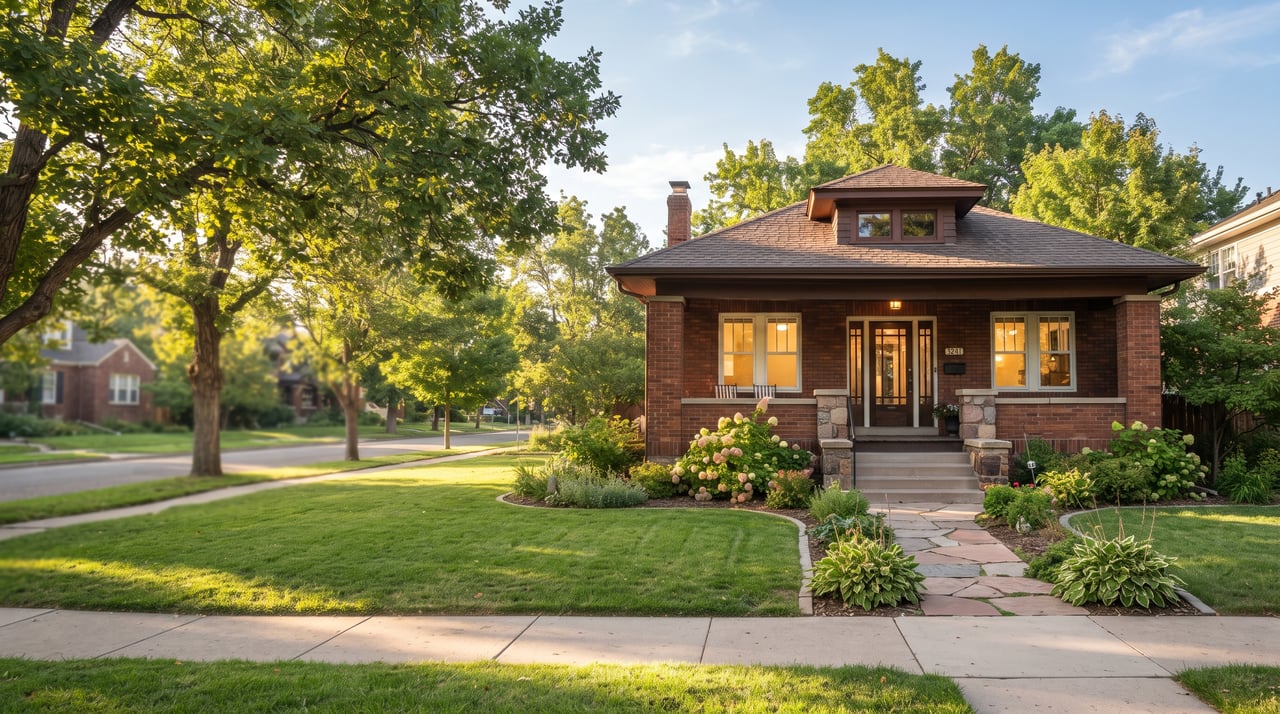
Investors often describe this area as “the lifestyle premium without the absolute peak pricing of the hottest central neighborhoods.” Many homes are older bungalows and mid‑century properties that have already started to see tasteful pop‑tops and full renovations, which can pull up values around them over time.
From an investment standpoint, the common plays here include:
- Buying a solid but dated bungalow to renovate and hold long‑term as a rental or future resale.
- Targeting homes with ADU potential for future flexibility.
- Leaning into walkability and nearby retail when marketing the property.
The main risk in Berkeley and Regis is simple: picking the wrong block. You want to be close enough to amenities and green space without sitting on a loud corner or directly against a commercial corridor.
2. West Colfax / Sloan’s Lake Fringe: Transit, Infill, and Change on the Ground
West Colfax and the edges around Sloan’s Lake have transformed dramatically over the last decade. New townhomes, mixed‑use buildings, and small businesses are filling in land that used to be underutilized. For investors and long‑term buyers, that change can be a signal of future growth.
What local investors like here:
- Access to light rail and major roads, which matters for both renters and commuters.
- Proximity to Sloan’s Lake and its lifestyle appeal.
- A mix of older homes and newer product, showing that buyers are willing to pay more for updated housing.
The trade‑offs: this area is still a patchwork of fantastic blocks, busy streets, and industrial hangovers. Micro‑location matters. The best opportunities tend to be on quieter streets within walking distance of transit or the lake, but not so close to heavy traffic that noise dominates the experience.
3. Hampden South & Southmoor Park: Suburban Feel with City Access
Hampden South and Southmoor Park sit in that sweet spot where you can get a more traditional, suburban feel without giving up access to the city. Larger lots, established trees, and relatively solid schools make these neighborhoods appealing to families who might otherwise look much further out.
Investors like to talk about these pockets as “quiet accumulators”: they may not have the flashiest headlines, but they can deliver steady appreciation as more buyers seek space and relative affordability along key commute routes.
In practical terms, the common investor plays include:
- Buying older 60s–70s homes with good bones and updating kitchens, baths, and systems over time.
- Targeting cul‑de‑sacs and interior streets that feel calm and family‑friendly.
- Leaning on the stability of nearby employers and retail corridors.
The main risk is deferred maintenance. Larger, older homes can hide big‑ticket items, so inspections and reserves matter. You want your five‑year growth to outpace the cost of the work you are putting in.
4. Virginia Village: Mid‑Century Bones with Ongoing Renovation
Virginia Village sits in a very practical part of Denver: central‑ish, close to major roads, and filled with approachable, mid‑century homes that actually make sense for many first‑time and move‑up buyers.
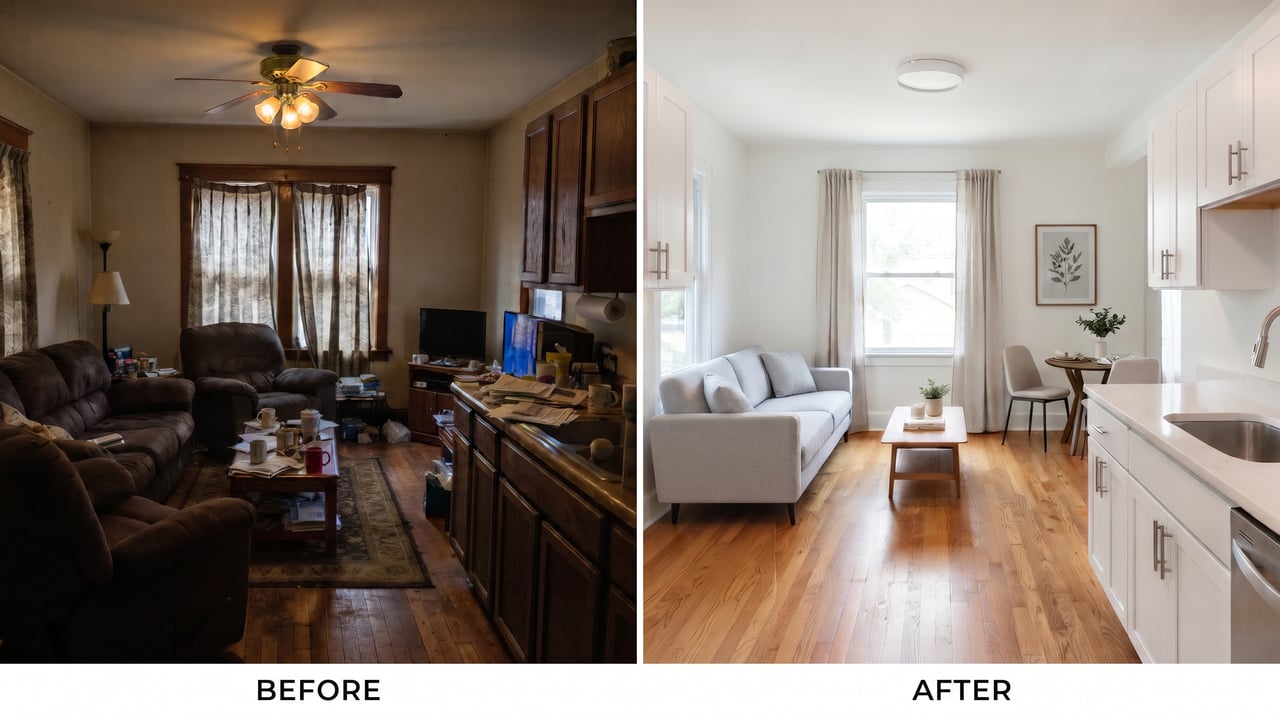
Investors like that there’s still a noticeable gap between a dated home and a nicely renovated one. That gap represents opportunity: if you can buy a solid structure, improve it thoughtfully, and either hold or resell, you are often catching the neighborhood as it continues to modernize.
Typical plays:
- Light‑to‑moderate value‑add renovations on structurally sound properties.
- Cosmetic updates that highlight mid‑century charm instead of fighting it.
- Focusing on interior streets and avoiding the noisiest edges near major roads.
Buyers should be honest about their tolerance for traffic noise and older‑home quirks. The upside comes from improving the property in a neighborhood where more buyers are looking for “updated but not ultra‑luxury.”
5. Montbello & Green Valley Ranch: Attainable Single‑Family Near Job Corridors
For investors and buyers willing to think long term, Montbello and Green Valley Ranch offer something increasingly rare: relatively attainable single‑family homes near major job and transit corridors, including the airport and related employment hubs.
Investors who like these areas tend to be very clear about their strategy:
- Buy at a reasonable basis, with realistic rent assumptions.
- Hold for longer than five years, letting slow‑and‑steady appreciation and potential rental demand do the work.
- Focus on livability factors like parks, schools, and commute times when choosing specific homes.
The biggest risk is sentiment and volatility. These neighborhoods can move in fits and starts and may feel more sensitive to broader economic swings. If you need a quick flip or can’t hold through a full cycle, this may not be the right play for you.
6. Westwood & Mar Lee: Emerging Value‑Add Corridors
Westwood and Mar Lee have been seeing a quiet surge of small‑business activity and home renovations. Smaller homes on decent‑sized lots create a natural value‑add playground for investors who are comfortable working in transitional neighborhoods.
The thesis many local investors share here:
- Entry pricing leaves room for renovation and future appreciation.
- Proximity to more established areas can help pull values up over time.
- Owner‑occupants and investors both are investing sweat equity, signaling belief in the area’s trajectory.
The caution: not every block is headed in the same direction or at the same pace. Due diligence is everything. Walk the neighborhood at different times of day, talk to neighbors, and be honest about your comfort level.
7. North Aurora Fringe Near Anschutz: Job‑Driven Demand at the Edge of Denver
While technically outside Denver proper, the North Aurora fringe near the Anschutz Medical Campus and related institutions is part of many Denver‑area investors’ five‑year plan. Large medical and education hubs tend to generate steady demand for both rentals and resale, especially for people who want manageable commutes without luxury pricing.
Investors here often look for:
- Properties that work well for roommates, traveling professionals, or house‑hack setups.
- Homes with off‑street parking and reasonable access to transit.
- Street‑by‑street opportunities where nearby renovations and stable ownership are already visible.
This is another area where micro‑location matters. The difference between a street that feels like a solid, long‑term hold and one that feels unstable can be a few blocks.
What This Means for Denver’s 5‑Year Outlook
Taken together, these seven neighborhoods tell a simple story: investors are less focused on chasing the very top of the market and more focused on areas with solid fundamentals, livable price points, and real‑world demand drivers.
Over the next five years, Denver’s overall appreciation may look relatively calm on the surface. Underneath that average, though, neighborhood‑level performance is likely to diverge. Areas with constrained supply, improving amenities, and strong job access have a better shot at outpacing the median, even if they still move in cycles.
Who Should Consider These Neighborhoods?
These seven neighborhoods may be worth a closer look if you are:
- A first‑time or repeat buyer who wants to stay put for at least five to seven years.
- An investor willing to do due diligence street by street, not just drop a pin on a map.
- Someone who cares about both livability and long‑term resale or rental demand.
They may not be ideal if you need a quick flip, have a very short time horizon, or are not comfortable with a bit of neighborhood change and transition.
Your Next Step: Match the Neighborhood to Your 5‑Year Plan
A “good” neighborhood on paper can still be a bad fit for your actual life or investment strategy. The right move is to pair what we know about these seven areas with your budget, risk tolerance, and timeline.
If you want a second set of eyes, send me a note with “5‑Year Plan” in the subject line and include your approximate price range, target commute, and whether you are buying to live in the home or as an investment. I’ll map out two to three neighborhoods from this list (and possibly a few that did not make the cut here) that fit your goals, plus sample recent sales to ground the conversation in real numbers.
Or, if you are just getting started, explore these related guides: