If you’ve been scrolling listings at midnight, saving homes in your favorite Denver neighborhoods, and wondering whether 2026 is the year you finally buy, you’re not alone. The market has calmed down compared with the wild multiple-offer years, but buying a home in Denver is still a big, complicated move.
The good news? Many of the biggest headaches buyers face are avoidable with the right strategy, the right team, and a little honest coaching up front.
Here are the most common mistakes I see Denver home buyers making in 2026 — and how to dodge them. For a full step-by-step, pair this with my Denver 2026 Buyer Game Plan and the Denver Real Estate FAQ.
Mistake #1: Shopping for Homes Before Getting Fully Pre-Approved
This is the number-one way buyers fall in love with the wrong house.
Scrolling listings is fun, but if you haven’t had a detailed conversation with a lender, you’re flying blind. List prices don’t tell you what your actual monthly payment will look like once you factor in:
- Principal and interest
- Taxes and insurance
- HOA dues or metro district fees
- Possible mortgage insurance
Without a real pre-approval, it’s easy to focus on the prettiest home instead of the one that actually fits your budget and your real life.
What to do instead:
Talk to a reputable local lender before you start touring homes. Go beyond “How much can I get approved for?” and ask, “What monthly payment feels comfortable on a normal month, not a perfect month?” Once we know that number, we can build the right price range and search strategy for you.
Mistake #2: Ignoring the “All-In” Cost of Owning in Denver
Your mortgage is only part of the picture. Many buyers forget to budget for things like:
- Utilities (which can be higher in older or less efficient homes)
- Ongoing maintenance and small repairs
- Future upgrades you already know you’ll want
- Commuting costs if you move farther from work
In Denver, the age and style of the home matter. A charming 1920s bungalow in the Highlands will usually have different maintenance needs than a newer build in areas like Central Park or Green Valley Ranch.
What to do instead:
When we walk through homes together, we’ll talk about the “first three years”:
- What will you likely spend on repairs or updates?
- How stable are the big systems — roof, furnace, AC, electrical, sewer line?
- Does this house support your actual lifestyle, or will it slowly drain your budget and energy?
Thinking this way helps you choose a home that still feels good long after the moving boxes are gone. For an ownership-cost deep dive, see the Denver cost of living guide.
Mistake #3: Focusing Only on the House — and Not the Neighborhood
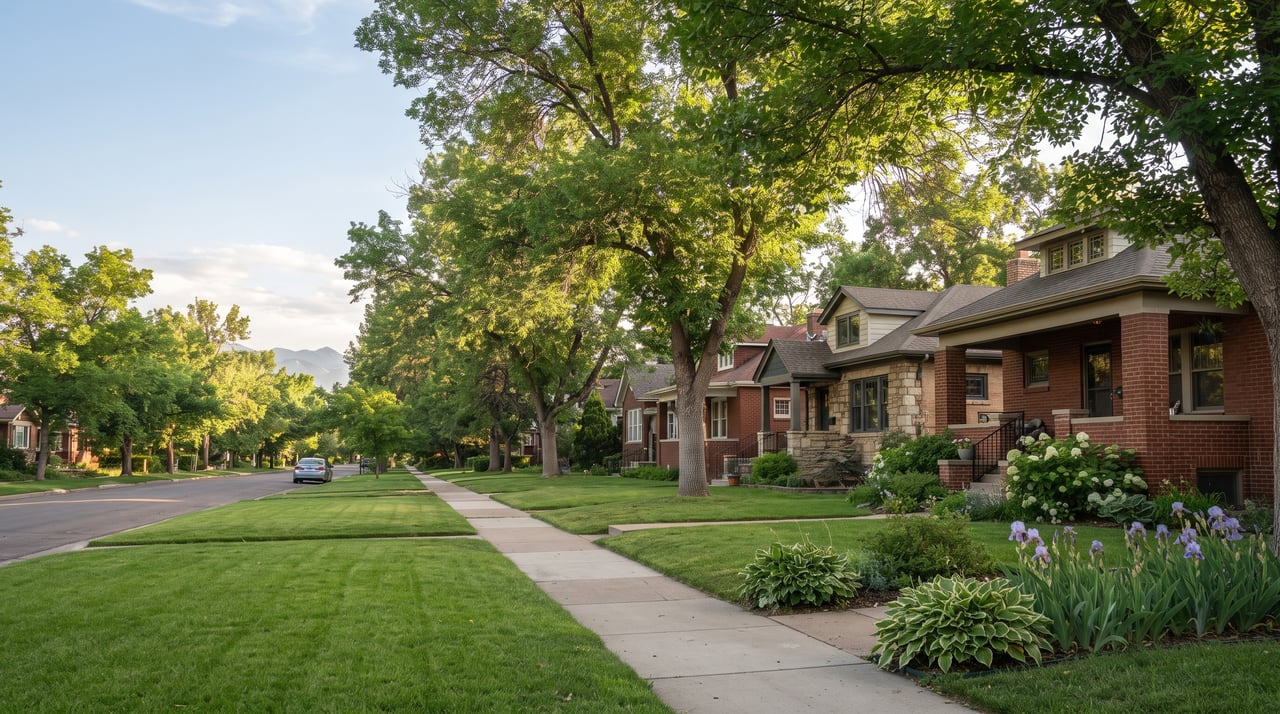
It’s easy to get tunnel vision on countertops and bathroom tile. But the neighborhood is the one thing you can’t change after closing.
I’ve seen buyers fall in love with a beautiful house and then realize:
- The commute is miserable.
- The nearest grocery store, gym, or daycare feels too far away.
- The vibe on a Saturday afternoon just doesn’t match their life.
What to do instead:
Before we get serious, I always recommend “test-driving” neighborhoods:
- Visit at different times of day and different days of the week.
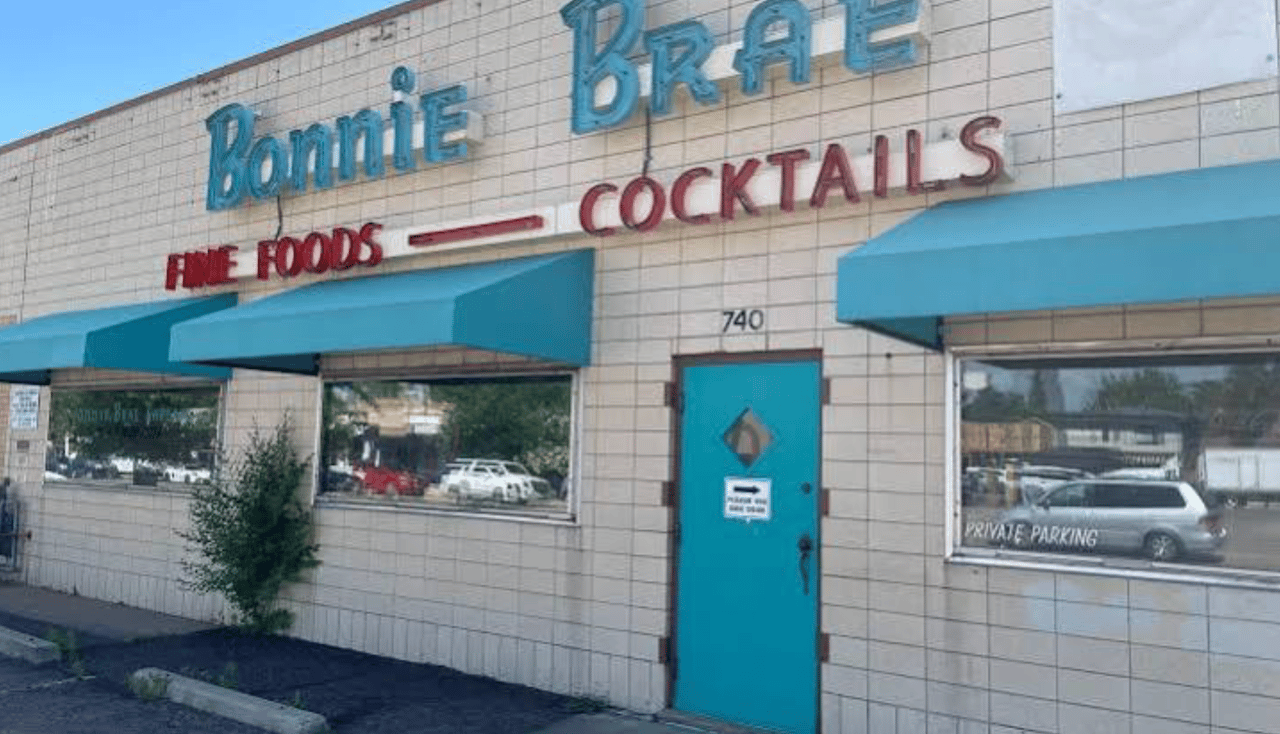
- Eat at a local restaurant or grab coffee and walk around.
- Pay attention to noise, parking, traffic, and how the area feels after dark.
Once you know which neighborhoods truly feel like “you,” it becomes much easier to evaluate specific homes inside them. If you’re early in the process, start with the Best Neighborhoods in Denver 2026 guide.
Mistake #4: Underestimating How Fast a Good Home Still Moves
Yes, the market is calmer. No, that does not mean a well-priced, move-in ready home in a great area will sit around waiting for you.
The pattern I see a lot in 2026:
- Buyers assume they have plenty of time because they’ve heard the market is “slow.”
- They wait a few days to schedule a showing or think about an offer.
- By the time they’re ready, the home is already under contract.
What to do instead:
When something truly fits your budget and your non-negotiables, be ready to act:
- Keep your pre-approval letter current and ready to go.
- Make yourself available for same-day or next-day showings when possible.
- Know in advance how quickly you’re comfortable moving if the right home appears.
You don’t have to rush into a bad decision — but you should be prepared to move confidently when a good one shows up.
Mistake #5: Skipping or Soft-Pedaling Inspections
During the intense seller’s markets, many buyers waived inspections entirely just to win offers. That is risky in any city, but especially in Denver where older homes, expansive soils, and long sewer lines can hide expensive issues.
Even now, some buyers try to “keep things easy” by doing minimal inspections or not asking tough questions. That can backfire months later when a sewer backup, roof leak, or foundation issue appears.
What to do instead:
- Always get a full home inspection with a reputable, local inspector.
- Strongly consider sewer scopes and, depending on the area, a radon test.
- Use the inspection period to understand the home, not just to look for leverage.
My job is to help you interpret what the inspector finds: what’s normal wear and tear, what’s a red flag, and what’s worth negotiating with the seller. For more detail on Denver-specific “gotchas,” see the inspection section in my Buyer Game Plan.
Mistake #6: Confusing “Winning the House” with “Getting a Good Deal”
In a competitive situation, it’s easy to get emotionally attached and decide you simply have to “win.” But winning at any cost can lead to buyer’s remorse — especially if you stretch beyond what feels comfortable or give up protections you really needed.
What to do instead:
Decide in advance:
- Your true “walk-away” price.
- Which terms you’re flexible on (closing date, rent-back, small repairs, personal property).
- Which protections you’re not willing to waive (inspection, appraisal, or financing contingencies).
I’ll help you structure offers that are strong, creative, and competitive without putting you in a position you’ll regret later.
Mistake #7: Trying to Do It Alone
Online tools are fantastic. You can see photos, virtual tours, and basic stats with a few taps. But there’s a limit to what an app can tell you about:
- Micro-trends on a specific block or street.
- How a home really feels in person and where it sits on the street.
- What’s normal to ask for in an inspection objection in this market.
- How to navigate appraisal gaps, multiple offers, or tricky negotiations.
What to do instead:
Partner with an experienced, full-time Denver REALTOR® who knows both the numbers and the subtleties. My approach is simple: I give you clear, honest feedback — even when it means telling you a house is wrong for you — so you can make decisions that still feel solid years after closing.
Denver Home Buyer FAQs
Is 2026 a good time to buy a home in Denver?
For many buyers, yes — especially if you value having more choices, a bit more negotiating power, and time to think instead of being rushed. The key is matching your move with your real life and budget, not just market headlines.
How much should I have saved before buying?
It depends on your loan type and price point, but most buyers should plan for down payment, closing costs, and a healthy cushion for immediate home expenses and emergencies. Your lender and I can help you build a realistic number for your situation.
Can I still buy with a low down payment?
Yes. Many buyers purchase with less than 20% down using conventional, FHA, VA, or other loan options. We’ll look at how different down payment levels affect your monthly payment, competitiveness, and comfort level.
How do I know if a neighborhood is right for me?
Beyond stats and maps, you should physically spend time there: drive your actual commute, visit local spots, walk the streets at different times of day, and pay attention to how it feels. We’ll narrow the list and then “test-drive” your top contenders.
What if I need to sell and buy at the same time?
That’s very common in Denver. Depending on your finances and risk comfort, we can explore options like sale contingencies, rent-backs, bridge-style solutions, or temporary housing. The goal is to avoid feeling rushed on both ends.
Ready to Start Your 2026 Denver Home Search the Smart Way?
If you’re thinking about buying in Denver this year, we can sit down (or hop on Zoom) and walk through:
- Your ideal budget and monthly payment.
- Neighborhoods that actually fit your lifestyle and commute.
- A step-by-step game plan from first tour to keys in hand.
You don’t have to figure this out alone or learn the hard way. Let’s turn 2026 into the year you buy a home you love — and feel great about how you got there.
I offer a no-pressure Denver Real Estate Strategy Session where we’ll:
- Walk through your timeline, goals, and budget in plain language.
- Look at what’s really happening in your specific neighborhoods and price range.
- Map out your next best steps — whether that’s buying, selling, right-sizing, or waiting on purpose.
You’ll walk away knowing what your current home could likely sell for, what a comfortable purchase price and payment range looks like, and exactly what to focus on now so you’re ready when the timing feels right.
When you’re ready:
- Visit salliesimmons.com to explore my Buyer and Seller resources.
- Call or text me directly at 662.588.2420.
- Or send a quick note through my contact form with “Strategy Session” in the message.
No drama, no pressure — just honest guidance from a full-time Denver REALTOR® who treats your move like it’s her own.