Whether you're buying your first home in Denver, selling a property you've owned for years, relocating from out of state, or trying to make sense of a market that has shifted significantly since 2022 — this guide is designed to be your evergreen reference. It pulls together the questions Denver buyers and sellers actually ask, and it links out to deeper guides when you want to go further on a specific topic.
Every answer is written for 2026 conditions: current interest rates, updated property taxes and insurance premiums, HOA and condo realities, and the Colorado contracts we actually use. Bookmark this page, and when you want the next layer of detail, jump into the linked resources like the Denver cost of living guide, the 2026 Denver buyer guide, or the 2026 seller guide.
Buying Basics: Getting Started in the Denver Market
Is 2026 a good time to buy a home in Denver?
It depends on your timeline, financial position, and goals — there is no one‑size‑fits‑all answer. 2026 looks very different from the frenzy of 2021–2022: inventory is higher, days on market have lengthened in many neighborhoods, and buyers have more negotiating power than they’ve had in several years. At the same time, mortgage rates remain well above the pandemic lows and ongoing ownership costs — property taxes, insurance, and HOA dues — have risen sharply.
If you’re planning to stay put for at least five years, run realistic numbers using 2026 tax and insurance figures and you can comfortably afford the total monthly payment, buying can still be a smart move. If your time horizon is short or you’re stretching your budget to uncomfortable levels, it may make sense to rent longer and revisit your plan in a year or two. For a full financial decision framework, see the 2026 renting vs. buying guide.
Where should I start as a Denver homebuyer?
Start with your finances, not with listings. Before you walk into a single showing, you should know your credit score, your debt‑to‑income ratio, and how much cash you have available for down payment, closing costs, and reserves. From there, get a full pre‑approval — not just a quick pre‑qualification — from a lender who closes loans in the Denver metro market every week.
Pre‑approval means a lender has verified your income, assets, and credit and is willing to issue a conditional commitment letter you can use in offers. That letter carries real weight with listing agents and sellers. Once you know your true price range, we can build a search strategy around neighborhoods, property types, and monthly payment targets instead of guessing. The step‑by‑step version of this process lives in the Denver home buying guide.
How long does the buying process take in Denver?
From accepted offer to closing, most financed transactions in Denver take 30–45 days for conventional loans. FHA and VA loans often land in the 45–60 day range due to additional appraisal and underwriting requirements. The variable piece is how long it takes you to find “the one” and get under contract in the first place.
Some buyers who are flexible on location and style find a home within a couple of weeks. Buyers with tighter location criteria, specific school boundaries, or very particular wish lists may take three to four months or more. Relocation buyers who front‑load their prep — remote neighborhood tours, preliminary video walkthroughs, detailed lender conversations — often compress the search window because they do more work before they ever set foot in Denver. If you have a hard deadline tied to a lease end or job start date, we’ll reverse‑engineer your timeline from that date backward.
What should I look for when touring homes in Denver?
Photos tell you if you like the finishes; tours tell you if the house itself is a good fit. In Denver, there are a few specific items you should always pay attention to beyond the obvious layout and light:
- Roof age and material — We live in hail alley. A newer Class 4 impact‑resistant roof can save you money and headaches; an older three‑tab shingle roof can be harder and more expensive to insure.
- Radon — Colorado has elevated radon levels statewide. You’ll test as part of inspections, but understanding how mitigation works and where equipment would go matters.
- Sewer line condition — In older Denver neighborhoods, clay and cast‑iron sewer lines are common. A $150–$250 sewer scope can reveal issues that would cost five figures to fix after closing.
- Basement moisture and egress — Look for staining, efflorescence, or musty smells and verify that any basement bedrooms have legal egress windows.
- Metro district fees — In newer planned communities (Aurora, Central Park, parts of Douglas County and Broomfield), check for metro districts that add extra mills — and therefore extra property tax — on top of county rates.
What are the biggest mistakes Denver homebuyers make?
Some of the most expensive mistakes I see buyers make in this market:
- Shopping for homes before getting pre‑approved and then missing out on properties they loved because their financing wasn’t ready.
- Using 2023 or earlier property tax and insurance estimates in their budget instead of current numbers, which makes the first year of ownership feel much more expensive than expected.
- Waiving inspection or appraisal protections in the wrong situations instead of structuring smarter, targeted offers.
- Underestimating ongoing costs and using only the mortgage payment in their spreadsheet instead of adding taxes, insurance, HOA dues, utilities, and a realistic maintenance reserve.
- Picking a neighborhood based on price alone without weighing commute time, school district quality, lifestyle fit, and long‑term resale strength.
Just starting your search? Reach out to Sallie and she’ll help you align your budget, timing, and neighborhood short list before you fall in love with the wrong house.
Financing, Down Payments, and Mortgage Questions
How much do I need for a down payment in Denver?
Minimum down payments depend on loan type. Many conventional loans go as low as 3–5% down with private mortgage insurance (PMI) when you’re under 20% equity. FHA loans start at 3.5% down. VA and USDA loans can still be true zero‑down options for eligible buyers. Those are minimums, not necessarily the sweet spot for everyone.
Putting less than 20% down means you’ll pay PMI, which might add $100–$250+ per month on a $550,000–$600,000 home depending on your credit. But in 2026’s higher‑cost environment, some buyers intentionally choose 5–10% down so they can keep more cash in reserves for property tax jumps, insurance increases, and early‑ownership repairs. The right down‑payment number balances monthly comfort, PMI, and your need for liquidity.
Are there down payment assistance programs for Denver buyers?
Yes — and they are very real options for first‑time and moderate‑income buyers. Common programs we see used include:
- CHFA (Colorado Housing and Finance Authority) first mortgages paired with grants or second mortgages for down payment and closing costs.
- Metro Mortgage Assistance Plus — the City and County of Denver’s down payment assistance program.
- Lender‑specific DPA products — many local and regional banks offer their own grants or forgivable seconds that aren’t widely advertised.
- VA and USDA zero‑down loans for eligible borrowers, which solve the down‑payment issue in a different way.
Eligibility, income limits, and program structures change over time, so you want a lender who uses these programs regularly, not one who has to learn them from scratch on your file.
What credit score do I need to buy a home?
Most conventional lenders look for a minimum 620 FICO score. FHA can go down to 580 with 3.5% down (and lower in some edge cases with bigger down payments), and many VA lenders set their own floors around 620–640 even though the VA program itself is more flexible. Those minimums get you in the door, but they don’t guarantee attractive pricing.
In reality, rate and PMI pricing tiers improve as you move through the 680, 700, 720, 740, and 760+ bands. A buyer with a 760 score and 10% down will usually get materially better monthly pricing than a buyer with a 640 score and the same down payment. If you’re sitting in the high‑600s with some time before you buy, a targeted 60‑ to 90‑day credit improvement plan can easily be worth five figures over the life of your loan.
How do current mortgage rates affect what I can afford?
On a mid‑$500s to low‑$600s purchase, every half‑percentage‑point move in rate can shift your principal‑and‑interest payment by roughly $160–$180 per month. Over 30 years, that’s tens of thousands of dollars in interest. That’s why buyers who were quoted 3% in 2021 and see 2026 rates feel like they’re living in two different universes.
Waiting for 3% to return is not a strategy; building a plan that works at today’s rate is. The way we handle this is to model multiple scenarios — today’s rate, a slightly higher rate, and a realistic refinance rate if we think there’s a chance to improve terms in a few years. For a full breakdown, the rent vs. buy guide walks through the math.
What types of mortgage loans are common for Denver homebuyers?
- Conventional fixed‑rate loans — the default option for many buyers with at least 3–5% down and 620+ credit.
- FHA loans — useful for buyers with smaller down payments or mid‑600s credit; they come with mortgage insurance that lasts for the life of the loan unless you refinance.
- VA loans — zero‑down, no‑PMI loans for eligible veterans and service members, often with some of the best rates available.
- Jumbo loans — for higher‑priced properties above conforming loan limits, common in Cherry Creek, Hilltop, Washington Park, Country Club, and similar neighborhoods.
- CHFA and other DPA‑layered loans — first mortgages combined with grants or second liens to cover down payment and closing costs.
What is a rate lock and when should I lock?
A rate lock is your lender’s commitment to honor a specific interest rate for a set period — often 30, 45, or 60 days. Locking protects you if rates rise before you close; some lenders also offer “float‑down” options that let you capture a lower rate if the market improves during your lock period.
In a volatile environment, locking as soon as you’re under contract is usually safer than gambling that rates will drop. You’ll coordinate the lock term with your closing date so you don’t pay avoidable extension fees.
Not sure which financing structure is best for you? Talk to Sallie and she’ll pair you with vetted Denver lenders, then walk through your options in plain language.
Making Offers, Negotiating, and Winning in the Denver Market
Are bidding wars still happening in Denver in 2026?
Yes, but they’re no longer everywhere, all the time. Turn‑key homes that are priced correctly in high‑demand neighborhoods like Washington Park, Berkeley, Sloan’s Lake, Highlands, and parts of Cherry Creek still attract multiple offers, especially if they launch on a Thursday and review offers after the first weekend. In those micro‑markets, we’re still thinking about escalation clauses, appraisal gap coverage, and seller‑friendly possession terms.
On the other hand, homes that are overpriced, need obvious work, or sit in areas with more inventory often take longer to sell and give buyers more leverage. The goal is to diagnose what kind of listing you’re dealing with before you ever write the offer. For a deeper look at demand patterns by neighborhood, read the best Denver neighborhoods guide.
How much earnest money should I put down?
In Denver, earnest money (EMD) is typically 1–2% of the purchase price. On a $575,000 home, that’s $5,750–$11,500. It’s not an extra fee; it’s a good‑faith deposit that goes toward your down payment and closing costs at closing, held in escrow by the title company or listing brokerage.
If you terminate under a valid contingency — inspection, financing, appraisal, title, HOA docs — you normally get your earnest money back. If you walk away without a contractual reason after deadlines, the seller may be entitled to keep it as liquidated damages. In hotter segments, some buyers show strength by offering higher earnest money or partially non‑refundable structures; we only do that if the property and your risk tolerance justify it.
What contingencies should I include in my offer?
The standard Colorado CBS2 contract gives buyers several protective contingencies. The big three are:
- Inspection contingency — lets you conduct inspections and request repairs, credits, or termination based on findings.
- Financing contingency — protects you if your loan is denied despite good‑faith efforts.
- Appraisal contingency — protects you if the home appraises below the contract price.
In addition, you have contingencies for title review, HOA documents (where applicable), and, on older homes, lead‑based paint disclosures. In 2026’s more balanced market, most buyers keep these protections; we may shorten timelines or structure appraisal gap coverage strategically rather than outright waiving safety nets. For more detail on the CBS2 contract, see the Colorado Division of Real Estate contract forms.
What are seller concessions and how common are they?
Seller concessions are credits the seller gives you at closing to help cover closing costs, prepaid taxes, and prepaid insurance, or to buy down your interest rate. They don’t reduce the sale price on paper, but they reduce your cash needed at closing and can lower your monthly payment if used for rate buydowns.
In 2026, concessions are meaningfully more common than during the 2021–2022 peak. Buyers frequently negotiate $5,000–$15,000 in credits, especially in the mid‑price and upper‑mid price ranges. One popular structure is using a concession to pay for a temporary 2‑1 buydown that reduces your interest rate by 2% in year one and 1% in year two, giving you breathing room during your first years of ownership.
How do I make a strong offer without overpaying?
Strength is about certainty and alignment with the seller’s priorities, not just price. In 2026, strong offers often combine:
- A verified pre‑approval from a reputable local lender instead of an out‑of‑area call center.
- Clean, normal contingencies with realistic deadlines instead of aggressive waivers that create unnecessary risk for you.
- Closing and possession timelines that genuinely work for the seller — sometimes a slightly lower price with flexible dates wins over a higher number with rigid timing.
- Clear communication and documentation that make the listing agent confident we’ll get to closing without surprises.
We’ll build offers based on real comps, condition adjustments, and your comfort level rather than throwing a random “X over list” at the wall.
Inspections and Due Diligence in Denver
What inspections do I need when buying a Denver home?
At minimum, most Denver buyers should plan on:
- General home inspection by an InterNACHI or ASHI‑certified inspector who provides a detailed, photo‑rich report.
- Radon test, especially for homes with basements or garden‑level living spaces.
- Sewer scope to check for cracks, root intrusion, offsets, or collapses in the lateral line between the house and the main.
- Roof inspection if the roof is more than about eight years old or if there’s visible wear or prior hail history.
Depending on the age and condition of the home, we may also add mold testing, structural engineering consultations, asbestos sampling (for pre‑1980s properties you plan to renovate), chimney inspections, or HVAC servicing assessments. Skipping key inspections is almost always a false economy.
What is radon and why does it matter here?
Radon is a naturally occurring radioactive gas that results from the decay of uranium in soil and rock. It seeps into homes through foundation cracks and gaps and can accumulate at unsafe levels, particularly in basements and lower‑level living areas. Long‑term exposure to elevated radon levels is associated with a higher risk of lung cancer.
Colorado has some of the highest average radon levels in the country. The good news is that testing is inexpensive and mitigation systems are dependable. If test results come back at or above the EPA’s action level, installing a mitigation system is a common and reasonable inspection request, and most systems fall in the low four‑figure range. For more on radon and health, see guidance from the EPA.
How do I negotiate repairs after inspections?
Under the Colorado CBS2 contract, you have an inspection objection deadline — typically 7–10 days after mutual acceptance — to deliver a written list of concerns and requested resolutions. You can ask for repairs, a price reduction, a closing credit, or some combination. The seller then has a right to respond, and you decide whether to accept, counter, or, if necessary, terminate before your resolution deadline.
In 2026, buyers and sellers often prefer closing credits over having the seller manage repairs. Credits let you choose the contractor and control quality and timing. When we build your objection, we’ll focus on health and safety, the building envelope (water issues, roof, foundation), and large‑ticket systems rather than cosmetic items. For a deeper walkthrough of inspection strategy, see the inspection section of the buyer guide.
What HOA documents should I review before buying a condo or townhome?
When you’re buying into a common‑interest community, you’re buying into a small financial ecosystem as much as you’re buying four walls. You should plan to review:
- The CC&Rs, bylaws, and rules and regulations.
- Current‑year operating budget and the most recent year‑end financials.
- The latest reserve study and the current reserve fund balance.
- At least two years of board meeting minutes, plus any annual meeting minutes.
- The master insurance certificate, including coverage limits and deductibles.
- Any notices of pending or recently levied special assessments or litigation.
These documents will tell you whether dues are realistic, whether major projects are coming, and whether the community is at risk of big assessment shocks. For a focused look at condo and HOA due diligence, read the Denver condos and HOAs guide.
Closing Costs, Appraisals, and the Final Steps
What are closing costs for buyers in Denver?
Closing costs are the one‑time transaction costs you pay at closing in addition to your down payment. In Denver, buyers should plan on 2–3% of the purchase price for closing costs depending on loan product and lender fee structure. On a $575,000 home, that’s roughly $11,500–$17,250.
Common line items include lender origination and underwriting fees, discount points (if you choose to buy down your rate), appraisal, credit reports, lender’s title policy, escrow and settlement fees, prepaid homeowners insurance, prepaid property tax escrows, prepaid daily interest, and recording fees. Seller concessions you negotiate can be applied to many of these costs.
What are closing costs for sellers in Denver?
Sellers pay their own slate of closing costs out of sale proceeds. These typically include listing‑side commission, any buyer‑side commission they’ve agreed to offer, the owner’s title policy for the buyer, a small Colorado documentary fee based on sale price, prorated property taxes through the date of closing, and any agreed‑upon credits or concessions to the buyer.
In many transactions, total seller costs (commissions plus closing expenses) end up in the 7–8% of sale price range before paying off an existing mortgage. For a detailed net‑sheet breakdown, see the 2026 seller guide.
What happens at the appraisal and what if it comes in low?
After you’re under contract and through your initial inspection phase, your lender orders an appraisal through an independent appraisal management company. The appraiser visits the property, analyzes recent comparable sales, and submits a written opinion of value. If the appraised value is at or above your contract price, you’re usually in the clear from a lending perspective.
If the appraisal is low, you have several options: negotiate a price reduction, bring additional cash to cover all or part of the gap, split the difference with the seller, submit a rebuttal with better comps, or, if your appraisal contingency is still in place and you can’t reach a solution, terminate and recover your earnest money. The best choice depends on how far off the appraisal is and how strongly you want that specific home.
Can I close on a Denver home remotely?
Yes. Colorado supports hybrid e‑closings and remote online notarization (RON) for many transaction types. Most major Denver title companies now offer remote or mostly‑remote closing options, which is particularly helpful for out‑of‑state buyers and relocation clients. Your lender’s policies may influence whether you can sign everything digitally or need a limited set of wet signatures, so we coordinate those details early in the process.
What is a post‑closing occupancy agreement (rent‑back)?
A post‑closing occupancy agreement — often called a rent‑back — allows the seller to remain in the home after closing for a defined period while paying a daily rent (often pegged to the buyer’s PITI or slightly above). It’s effectively a short‑term landlord‑tenant agreement between the buyer and seller.
Rent‑backs are common when the seller needs time to move into their next home or when they’re closing both a sale and a purchase back‑to‑back. Terms should include the daily rent amount, deposit, maximum occupancy period (usually 60 days or less to avoid lender and insurance headaches), utility responsibilities, and what happens if the seller doesn’t vacate on time.
Selling Your Denver Home in 2026
Is now a good time to sell in Denver?
Whether 2026 is the right time to sell depends more on your life plans than on headlines. If you’re selling to move to a lower‑cost market or to downsize, Denver’s still‑high prices and steady demand can make this an excellent time to unlock equity. If you’re selling to buy a more expensive home in the same market, the softer environment that may trim your sale price can also give you more leverage on your purchase.
The major complicating factor is your current interest rate. If you’re sitting on a loan in the 2–3.5% range, trading into a new loan at a higher rate is a serious financial move that we should model carefully. In some situations, holding your current property as a rental and purchasing the next home might even make sense. The full sell‑vs‑hold decision tree lives in the 2026 Denver seller guide.
How do I price my Denver home correctly?
In this market, correct pricing is more important than ever. We’ll start with the last 60–90 days of closed sales for homes that truly compare to yours — same neighborhood or school zone, similar size, age, condition, and features. We’ll also look at active and pending listings to see where the competition is and how buyers are responding right now.
Pricing based on what you “need” to net, what a neighbor listed for (not what they actually sold for), or what an automated online estimate says is a recipe for chasing the market downward with price reductions. The most common mistake in 2026 is overshooting your list price by 5–10% and then ending up below where you could have been with the right starting point.
How long will my home be on the market?
Well‑priced, well‑presented homes in high‑demand Denver neighborhoods are often going under contract within 10–21 days. Properties that are overpriced, cluttered, or need substantial cosmetic or functional updates can sit for 45–90 days or more, particularly in segments with a lot of competition.
The first two weekends on market are your most important window. That’s when your listing is new in buyer feeds and when we get the most showing activity. Correct pricing, strong visuals, and easy showing access during that period are essential.
How should I prepare my home for sale?
You don’t need to renovate your entire house to get a great result, but you do need to make it look and feel like a home buyers want to move into. High‑return prep steps in Denver include:
- Decluttering and editing furniture so rooms feel larger and more functional.
- Removing highly personal or polarizing decor so buyers can picture their own lives in the space.
- Deep cleaning every surface, including windows, baseboards, grout, and appliances.
- Addressing obvious deferred maintenance like peeling paint, leaky faucets, loose handrails, and broken fixtures.
- Refreshing paint and flooring where dated or heavily worn.
- Investing in professional photography, with drone and 3D tours when they make sense for your property type and price point.
How do I buy and sell at the same time?
Coordinating a sale and a purchase at the same time is common and very doable with the right plan. Your options include:
- Making your purchase offer contingent on the sale of your current home (most realistic in slower segments of the market).
- Using a bridge loan or HELOC to buy first and then selling after you’ve closed on the new home.
- Selling first and negotiating a rent‑back so you can stay in your current home for 30–60 days while you shop and close on the next one.
- If your finances allow, buying first with cash or a new loan and then listing your current home after you’re under contract on the new property.
Each approach has trade‑offs in risk, carrying costs, and negotiation strength. We’ll build a plan around your equity, your income, and your tolerance for temporary overlap.
Thinking about selling? Request a detailed pricing and strategy consult with Sallie before you make any big decisions.
Ongoing Costs of Owning a Home in Denver
What are property taxes like on Denver homes in 2026?
Denver‑area property taxes are a moving target thanks to reassessments and changes to Colorado’s property tax laws, but the overall trend in recent years has been up. Effective tax rates vary by county: Denver County itself, parts of Jefferson County, and Douglas County often look relatively modest on paper, but metro district levies in newer communities can push the total bill higher.
On a $600,000 home, it’s common to see annual property taxes somewhere around the mid‑$2,000s to mid‑$3,000s, sometimes higher once metro districts are factored in. Remember that your tax bill will eventually adjust to your new purchase price; don’t budget using the seller’s old, lower assessed value. For a deeper dive into mill levies, assessments, and appeal timelines, read the 2026 Denver property tax guide.
How much is homeowners insurance in Denver?
Homeowners insurance has seen some of the steepest cost increases in Colorado over the past decade. Hail, severe wind, and wildfire exposure have driven losses, and carriers have responded with higher premiums, tighter underwriting, and in some cases reduced coverage options. On a $600,000 Denver home, annual premiums in the $3,000–$4,500 range are common, with higher numbers for older roofs or more complex risk profiles.
Roof age and material are key underwriting factors. Homes with newer Class 4 impact‑resistant roofs are often more insurable and can qualify for better pricing. Homes with roofs older than 12–15 years may face restricted coverage or significantly higher premiums. For a full explanation of what’s behind these numbers, see the Denver insurance shock guide.
What is a realistic total monthly cost of owning a $600,000 Denver home?
Beyond principal and interest, you should budget for:
- Property taxes: roughly $235–$300 per month, depending on county and metro district levies.
- Homeowners insurance: about $250–$375 per month for many properties.
- Maintenance reserve: around 1–2% of home value per year, or $500–$1,000 per month on a $600,000 home.
- HOA dues (if applicable): $150–$400+ per month for many townhomes and $350–$700+ (often much more for luxury buildings) for condos.
When you add those numbers together, an otherwise “affordable” mortgage payment can be $985–$1,675 per month more expensive than a basic calculator would suggest. That’s why the cost of living guide recommends building your budget from total monthly cost backward rather than from list price forward.
What are metro district fees and why do they matter?
Metro districts are special taxing districts commonly used in newer master‑planned communities to finance infrastructure like roads, parks, and utilities. They issue bonds and then repay them through additional mill levies on your property tax bill. From your perspective, that means a higher effective property tax rate even if the base county rate looks attractive.
Metro district levies can add $1,000–$3,000+ per year to your tax bill on a typical Denver‑area home. They appear in your county tax breakdown, but they’re easy to miss if you only look at the total. Always check the detailed mill levy statement in the assessor’s records for properties in newer communities like Aurora, Central Park, parts of Douglas County, Broomfield, and other growth areas.
Condos, Townhomes, and HOA Communities
Are Denver condos a good investment in 2026?
Condos have had a tougher few years than single‑family homes, but they’re not automatically a bad idea. Rising HOA dues driven by master‑policy insurance premiums, capital projects, and reserve requirement changes have made some buildings less attractive. Lender scrutiny has also increased for buildings with litigation, low reserves, or high investor ownership.
That said, condos in well‑managed buildings with realistic dues, healthy reserves, and high‑demand locations can still be very compelling — particularly for buyers who value low maintenance, walkability, and lock‑and‑leave convenience. The key is doing serious HOA due diligence and comparing total monthly cost, not just purchase price. For the unvarnished story, read Are Denver condos dead?.
What should I know about HOA fees before buying?
HOA dues are one of the most misunderstood line items in Denver ownership. A “low” fee isn’t automatically good, and a higher fee isn’t automatically bad. You need to understand:
- Exactly what the fee covers: master insurance, exterior maintenance, roofs, water, sewer, trash, snow removal, amenities, reserves, management, and more.
- How the fee has changed over the last 2–3 years — especially in light of insurance renewals and capital projects.
- Whether the reserve fund is adequately funded relative to the building’s age and upcoming needs.
- Whether the board has a history of levying special assessments or kicking the can down the road.
A low fee in an aging building with underfunded reserves is a red flag, not a bargain. In that scenario, a big assessment is a “when,” not an “if.”
What is the difference between a condo, townhome, and single‑family home?
- Condo: You own the interior of your unit and an undivided interest in the building’s common elements. The HOA owns and insures the structure and shared systems, and you carry an HO‑6 policy for your interior and contents.
- Townhome: You typically own your structure and the ground beneath it, with shared walls between units, and the HOA manages some combination of exterior maintenance and common areas.
- Single‑family detached: You own the entire structure and lot and are responsible for all exterior maintenance, insurance, and yard care. You may or may not have an HOA for neighborhood amenities.
What are the short‑term rental rules for Denver condos?
The City and County of Denver generally requires that short‑term rentals (STRs) be operated out of a host’s primary residence to qualify for a STR license. That means you must actually live in the property; buying a condo purely as an Airbnb is usually not allowed under current rules. On top of city regulations, many condominium HOAs have their own restrictions or outright bans on STRs.
If you’re counting on STR income to make your numbers work, you need to verify both the city’s licensing rules and the HOA’s CC&Rs before you write an offer. You can read the most current city requirements at Denver’s short‑term rental licensing page.
Neighborhoods and Location: Where Should You Live?
What are the best neighborhoods in Denver in 2026?
“Best” depends entirely on what you’re optimizing for: walkability, schools, yard size, commute time, nightlife, or long‑term appreciation. At a high level:
- Young professionals and nightlife: LoHi, RiNo, Five Points, Berkeley, Sunnyside.
- Family‑friendly with strong schools: Washington Park, Platt Park, Central Park, Lowry, Hilltop.
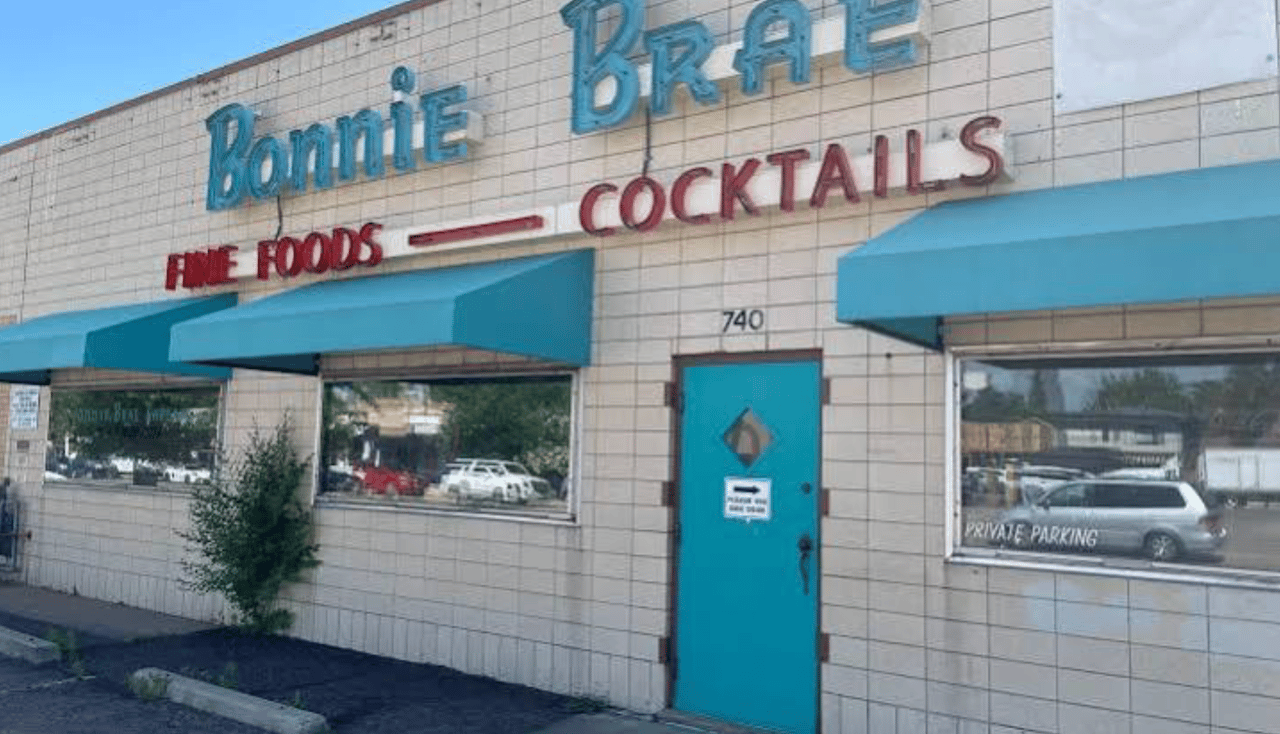
- Luxury and lock‑and‑leave: Cherry Creek, Country Club, Hilltop, Bonnie Brae.
- Value with upside and more variability: Montbello, Green Valley Ranch, parts of Aurora and inner‑ring suburbs.
- Suburban feel with Denver access: Aurora, Littleton, Lakewood, Englewood, Centennial.
The best neighborhoods guide breaks this down in detail by lifestyle, budget, and commute patterns so you can narrow your short list before you start touring.
How do property taxes vary by neighborhood?
Property tax rates are set at the county and district level, not by neighborhood name, so two adjacent neighborhoods in different counties can have very different effective tax rates. Douglas County often has some of the lowest effective rates in the metro, while parts of Arapahoe and Adams can be higher. Within each county, newer master‑planned communities may carry additional metro district levies that increase the total bill above what a simple “county rate” quote suggests.
To get accurate information for a specific property, look it up in the county assessor’s records and review the actual tax history and mill levy breakdown rather than relying on generic averages.
Relocation and Out‑of‑State Buyers
How do I buy a home in Denver if I’m relocating from out of state?
Relocation buyers have to make decisions with more uncertainty, so preparation matters. The usual sequence looks like: connect with a local agent, get pre‑approved with a Colorado‑savvy lender, narrow your neighborhood list using virtual tours and deep‑dive calls, then plan a focused in‑person trip to see your top contenders. Many buyers write offers based on a mix of in‑person and video walkthroughs.
We’ll also plan for remote or hybrid inspections, discuss how remote closings work, and structure possession timelines around the end of your lease or the sale of your current home. If you’re timing a job start or school year, we back into your ideal closing date from those fixed points.
How does Denver’s cost of living compare to other cities?
Compared to lower‑cost regions in the Midwest or South, Denver’s housing, insurance, and tax costs are noticeably higher. Compared to coastal hubs like San Francisco, Seattle, or New York, Denver usually feels more affordable, particularly on housing. The overall picture depends heavily on whether you’re renting or buying and what kind of home and lifestyle you expect.
If you’re coming from a lower‑cost market, you’ll want to build a fresh budget from the ground up using local data on rents, home prices, taxes, insurance, utilities, and transportation. The Denver cost of living guide is built specifically to help with that exercise.
What salary do I need to buy in Denver?
The answer varies with your debts, down payment, and what you’re trying to buy, but as a very rough framework, many households targeting homes in the mid‑$500s to low‑$600s with standard down payments and normal debt loads need combined gross incomes in the low‑ to mid‑$100s to qualify comfortably under typical lender ratios. Stronger credit, smaller debts, and larger down payments can lower that requirement; higher debts or more aggressive lifestyle spending can push it higher.
Relocating to metro Denver? Reach out to Sallie for a customized relocation roadmap — neighborhoods, timelines, tour plans, and realistic numbers based on your actual situation.
Investors and Rental Properties
Is Denver still a good market for real estate investors?
Denver is no longer the easy “buy anything and watch it appreciate” market it felt like for parts of the last decade, but it remains a fundamentally strong long‑term rental market. Job growth, population inflows, and a diverse economy support demand. The catch is that higher purchase prices, taxes, and insurance mean you can’t fudge the numbers — they have to pencil with conservative assumptions.
For investors who underwrite deals using realistic rents, vacancy rates, maintenance, and financing costs, Denver still offers solid opportunities, particularly in well‑located single‑family homes, small multifamily properties, and homes with legal or potential accessory dwelling units (ADUs). The speculative phase is over; the professional phase is here.
What types of investment properties tend to work best?
- Single‑family rentals in established neighborhoods with good school zones and strong owner‑occupant demand.
- Duplexes, triplexes, and four‑plexes in walkable, transit‑accessible areas.
- Properties with ADU potential where zoning allows and the numbers support adding a secondary unit.
- Long‑term rentals rather than short‑term rentals, given Denver’s primary‑residence STR requirement and many HOAs’ restrictions.
What is a 1031 exchange and can I use one in Colorado?
A 1031 exchange lets you defer capital gains taxes when you sell an investment property and reinvest the proceeds into another like‑kind investment property within strict IRS timelines and rules. It applies nationwide, including in Colorado, as long as you follow the regulations: using a qualified intermediary, identifying replacement properties within 45 days, and closing on a replacement within 180 days of your sale.
Should I consider adding an ADU for extra income?
Accessory dwelling units (ADUs) — backyard cottages, garage apartments, or basement units — can be a powerful tool in Denver when zoning supports them. A well‑designed, code‑compliant ADU can generate meaningful extra rental income and add to a property’s resale value, especially as more buyers look for multigenerational living or house‑hacking options.
ADUs are not plug‑and‑play: you’ll need to confirm zoning, work with designers familiar with Denver’s permitting requirements, budget realistically for construction, and analyze likely rental income. When they pencil, they can significantly improve a property’s long‑term performance.
Need Clarity on Your Next Move?
Denver’s 2026 real estate market rewards people who work with current, local information instead of old headlines or national hot takes. Whether you’re buying, selling, relocating, investing, or just trying to decide what makes sense for your situation, you’ll get better results with a grounded strategy and honest numbers.
Sallie Simmons is a Denver and Aurora‑based real estate agent with Compass. She specializes in relocation, first‑time buyers, move‑up and downsizing sellers, divorce and complex sales, and clients navigating high‑stakes situations like pre‑foreclosure, estate sales, and major life transitions.
→ Contact Sallie for a no‑pressure strategy call tailored to your goals.
Want to go deeper right now?