As we roll into mid-December, the Denver housing market looks nothing like the frenzy of 2021—but it’s also nowhere near a crash. Think of 2025 as the year the market finally caught its breath. Inventory climbed, days on market stretched out, and prices mostly leveled off instead of shooting straight up.
If you’re thinking about buying or selling a home in Denver in early 2026, understanding what’s happening right now—in winter 2025–26—is key. Below, I’ll break down the seven biggest trends I’m watching as a full-time Denver REALTOR®, and what they actually mean for your timing, pricing, and strategy.
1. Mortgage rates are easing slightly, but they’re not “cheap”
After flirting with the 7s in recent years, mortgage rates have finally started to drift downward. As of early December, the average 30-year fixed mortgage rate in Colorado is hovering in the low-to-mid-6% range, with many local lenders quoting around 6.1–6.3% for well-qualified buyers.
That’s still higher than the 3% “pandemic specials,” but lower than the spikes we saw in 2023–2024. Practically speaking, here’s what that means:
Buyers who were priced out at 7%+ are slowly creeping back in.
Monthly payments are still sensitive to even small rate changes, so a 0.25% drop can make a real difference.
Sellers should not expect 2021 bidding wars to magically reappear—but good homes, priced correctly, still sell well.
How to use this now:
If you’re buying, talk to a lender about rate buydowns and strategies to “marry the house, date the rate.” If you’re selling, expect buyers to be payment-sensitive and very tuned in to what their monthly out-of-pocket looks like.
2. Inventory is higher than last year—but winter is still winter
Through late 2025, Denver has seen more new listings and higher active inventory than in 2024, a sign that the market has been slowly rebalancing. Year-to-date through November, new listings were up around 7–10% compared with the previous year.
That said, we’re now in the seasonal slowdown. Local market reports show the usual winter pattern:
Fewer homes coming on the market in November and December
Some sellers choosing to wait until spring
A noticeable drop in closed transactions as people focus on holidays and year-end life stuff
So yes, inventory is better than it was—but this is still the quiet season.
How to use this now:
Buyers: You may not have as many choices as you’ll see in April, but the homes that are listed now often belong to motivated sellers who are serious about selling in winter.
Sellers: If you list in December or January, you’ll compete with fewer homes. Your property stands out more, especially if it’s well-prepared and marketed.
3. Prices are mostly flat with a slight upward tilt
Here’s the headline most people miss: prices in Denver are not crashing. Year-to-date through November, the average closing price across the Denver metro was just over $710,000, up a little over 1% from last year.
Recent month-to-month data show the typical seasonal wiggle:
Average sale price dipping slightly from October to November
Some neighborhoods softening while others hold strong
A lot of stability compared to the wild swings of the pandemic yearsI
In other words, this is more of a “sideways” market than an up-or-down roller coaster.
How to use this now:
Buyers can feel more confident that they’re not buying at a peak that’s immediately collapsing.
Sellers still have equity—especially if you bought more than a few years ago—but you’ll need to price based on today’s market, not your neighbor’s 2021 sale.
4. Homes are staying on the market longer, which changes negotiation power
One of the clearest shifts in late 2025 is time. Days on market have climbed into the 40–60 day range on average, depending on price point and neighborhood.
This doesn’t mean homes aren’t selling. It means:
Buyers have more time to think, tour, and compare.
We’re seeing more negotiations around inspection items, closing costs, and rate buydowns.
Only the very best-priced and best-presented homes still get multiple offers quickly.
How to use this now:
Buyers: You have room to ask for concessions again—especially on homes that have been sitting 30+ days.
Sellers: Overpricing is painful right now. You’re more likely to end up with a price reduction than a unicorn buyer who pays anything.
5. Some sellers are quietly pulling listings instead of cutting prices
Nationwide, 2025 has seen a big jump in delisted homes—properties that were on the market and then quietly pulled rather than reduced. A recent Realtor.com analysis found delistings up more than 45% year-over-year, with Denver on the list of metros seeing this trend.
This shows up locally as:
Sellers deciding to rent instead of sell
People choosing to remodel and stay put
Owners with very low existing mortgage rates opting out of the market altogether
That “lock-in effect” keeps overall inventory from exploding, even as more people would like to move.
How to use this now:
Buyers shouldn’t assume they can “wait for a wave of desperate sellers.” Many owners will simply pull their homes if they don’t get their number.
Sellers need to decide in advance: Are you truly committed to selling in this market, or just testing the waters? Your pricing and preparation should match your answer.
6. First-time buyers are feeling the squeeze—and cash buyers are in the mix
The latest national profile of home buyers and sellers shows:
First-time buyers at a record low share of the market
All-cash purchases around 1 in 4 sales, the highest on record
Denver reflects a lot of those patterns. Higher prices, higher rates, and rising costs of everything from groceries to daycare mean many first-time buyers are stretching. At the same time, move-up buyers with strong equity or out-of-state cash buyers come in with big down payments or no mortgage at all.
How to use this now:
If you’re a first-time buyer, strong pre-approval, clear budget, and a realistic wish list are essential. You don’t have to waive all your protections, but you do need to look prepared and serious.
If you’re a seller, don’t underestimate cash or high-down-payment buyers—they can often move faster and more cleanly, even if they’re not the very highest offer.
7. What all of this means for your 2026 game plan
So, is it better to buy or sell now, or wait until spring or summer 2026? Here’s how I’m advising clients as of December 2025:
For buyers considering early 2026:
Use the winter months to tighten your budget, get fully underwritten, and explore neighborhoods.
Look for homes that have been on the market 30–60 days—those sellers may be more open to concessions or a rate buydown.
Don’t be afraid of December and January. While there are fewer homes, the ones that are listed often belong to people who need to sell.
For sellers eyeing a spring 2026 listing:
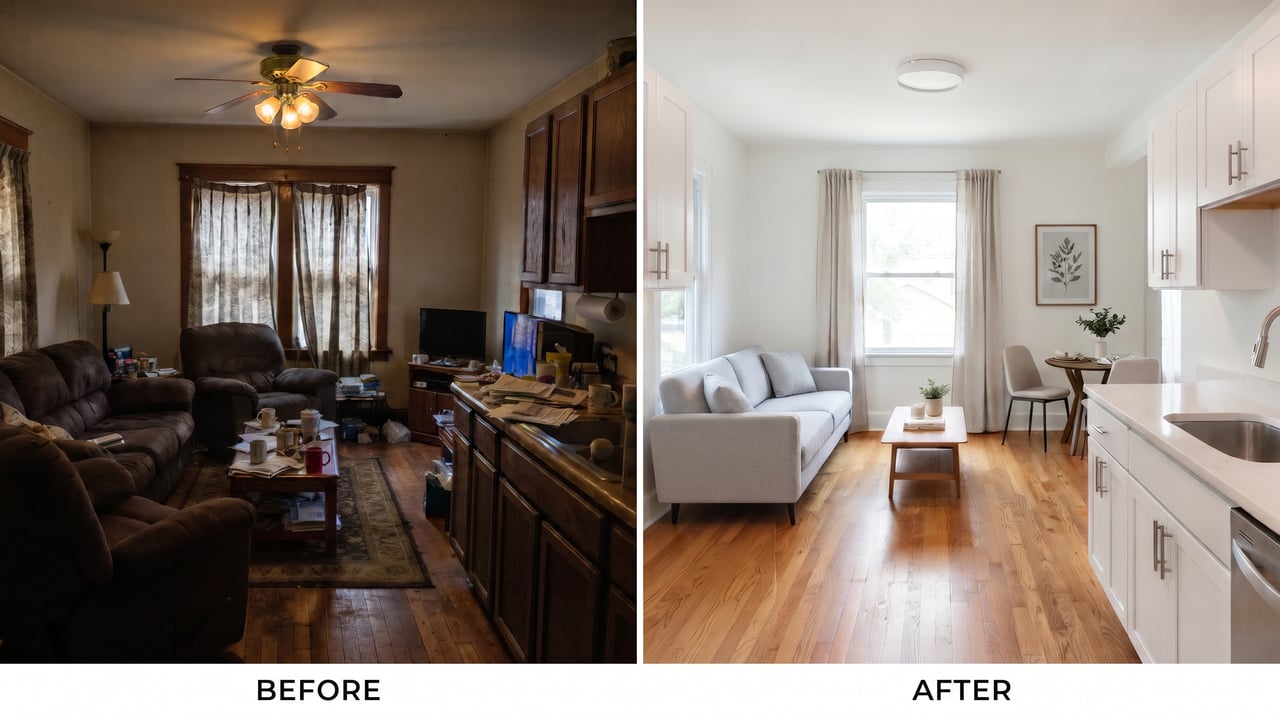
Start now with a walkthrough and game plan—repairs, updates, decluttering, and staging pay off more in a balanced market.
Price for today, not for 2021. The goal is to be the home that looks clearly better and smarter than the competition at your price point.
Consider strategic incentives: closing-cost help, a temporary rate buydown, or flexible possession terms can make your home stand out.
The bottom line
Winter 2025–26 in Denver isn’t a doom-and-gloom crash, and it’s not a runaway sellers’ market either. It’s a more grown-up, data-driven market where preparation, pricing, and strategy matter more than ever.
If you’re thinking about making a move in 2026—whether that’s buying your first Denver home, upsizing, downsizing, or selling a rental—this is exactly the moment to get your ducks in a row.
I help buyers and sellers across the Denver metro read the numbers, understand the neighborhood-by-neighborhood story, and create a plan that fits their real life, not just the headlines. If you’d like a personalized breakdown of what these trends mean for your specific situation, reach out and we’ll map out your 2026 game plan together.