New Build or Classic Denver Charmer? How to Choose in 2026
If you’re house-hunting in the Denver area in 2026, you’ve probably noticed a big split in your search results:
Brand-new homes with modern finishes, white kitchens, and open layouts
Older homes with big trees, character, and established neighborhoods
On paper, “new construction vs resale” sounds straightforward. In real life, it’s one of the biggest decisions you’ll make during your search, especially with today’s prices and monthly payments.
Let’s walk through how to decide whether a new build or a classic Denver resale home is the better move for you this year.
What counts as “new construction” in Denver?
First, a quick clarification. Around Denver, “new construction” can mean:
Large builder communities on the edge of the metro
Smaller infill projects—duplexes, townhomes, or single-family homes tucked into existing neighborhoods
Almost-new homes (built in the last few years) that feel brand new, even though someone else lived there first
Resale homes are everything else: bungalows, mid-century ranches, 80s and 90s builds, townhomes, and condos in established areas.
Each has its own personality—and its own trade-offs.
Why buyers love new construction
1. Turn-key and low-maintenance (for now)
One of the biggest perks of a new build is the “everything is new” factor:
Roof, windows, furnace, AC, water heater
Appliances, plumbing, electrical
Fresh finishes and modern materials
For at least the first few years, you’re less likely to be replacing expensive systems. That peace of mind can be huge, especially for first-time buyers or busy households.
2. Modern layouts and features
New builds tend to check a lot of current wish-list boxes:
Open floor plans
Bigger primary suites with walk-in closets
Attached garages
Energy-efficient systems and better insulation
You’re less likely to be knocking down walls or reworking the floor plan just to make the home livable for your day-to-day life.
3. The ability to choose finishes (sometimes)
If you get in early with a builder, you may be able to:
Pick cabinet colors, countertops, and flooring
Choose lighting and hardware packages
Add small structural upgrades like a covered patio or extra windows
That said, a lot of bigger builders now offer pre-packaged design options rather than full custom, so your “choice” might be between curated looks instead of anything-goes.
The downsides of new construction in Denver
New isn’t automatically better. Here’s what to be honest about:
1. Location and commute trade-offs
Many larger new communities are built farther from the city core. That can mean:
Longer commutes
Less walkability
Amenities that are still “coming soon”
If you crave tree-lined streets, walkable coffee shops, and quick access to older Denver neighborhoods, the trade-off for a new build may be location.
2. Smaller lots and less mature landscaping
Brand-new communities often have:
Smaller yards
Young trees and limited shade
Homes closer together
Over time, landscaping improves, but if a bigger lot, privacy, or established trees are high on your list, a resale home may fit better.
3. Extra costs you don’t always see in the listing
With new construction, it’s important to factor in:
Metro district or special tax districts
Higher HOA dues in some communities
Upgrades that aren’t included in the base price
That “from the low X00s” number on the sign rarely reflects what buyers actually spend once they pick a lot, choose finishes, and add basics like air conditioning, fencing, or landscaping.
Why buyers still love classic Denver resale homes
1. Character, charm, and mature neighborhoods
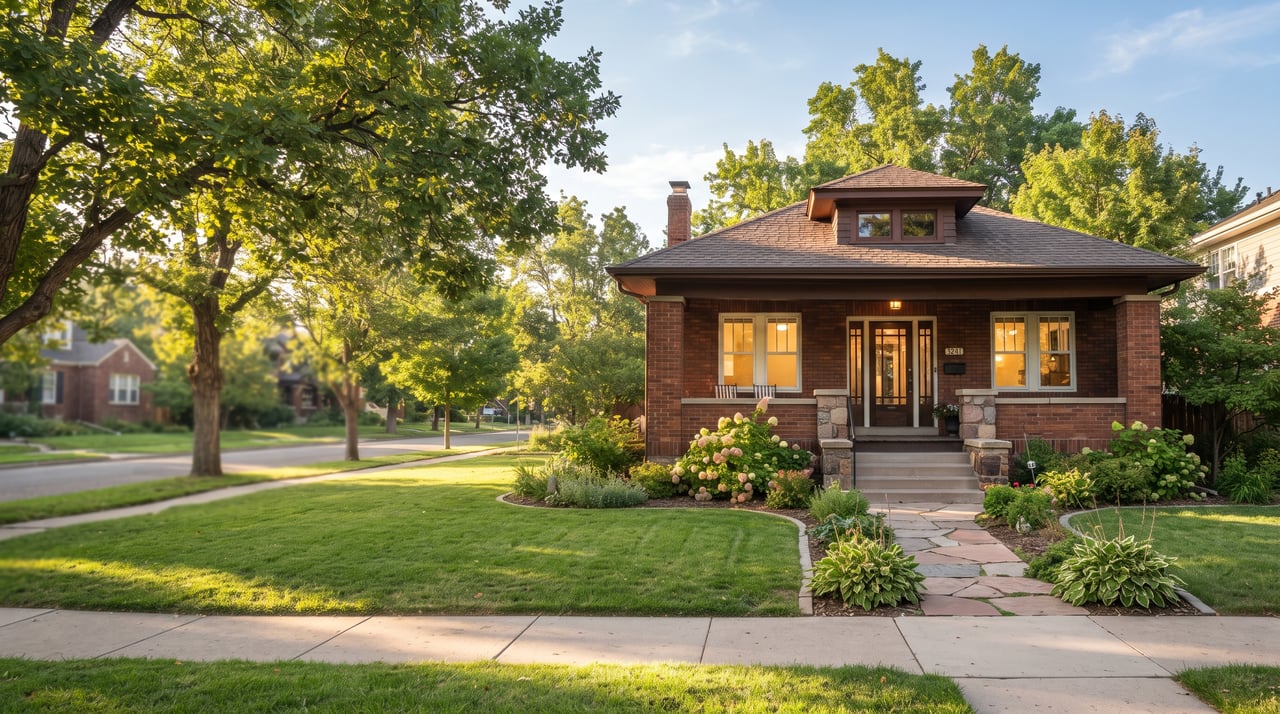
Older homes—whether it’s a bungalow, mid-century ranch, or 80s/90s two-story—tend to offer:
Bigger trees and established landscaping
Unique architectural details and floor plans
Streets and neighborhoods that feel lived-in and loved
There’s a reason people fall hard for certain Denver neighborhoods. You can’t recreate 50–100 years of patina overnight.
2. Location, location, location
Resale homes are often in:
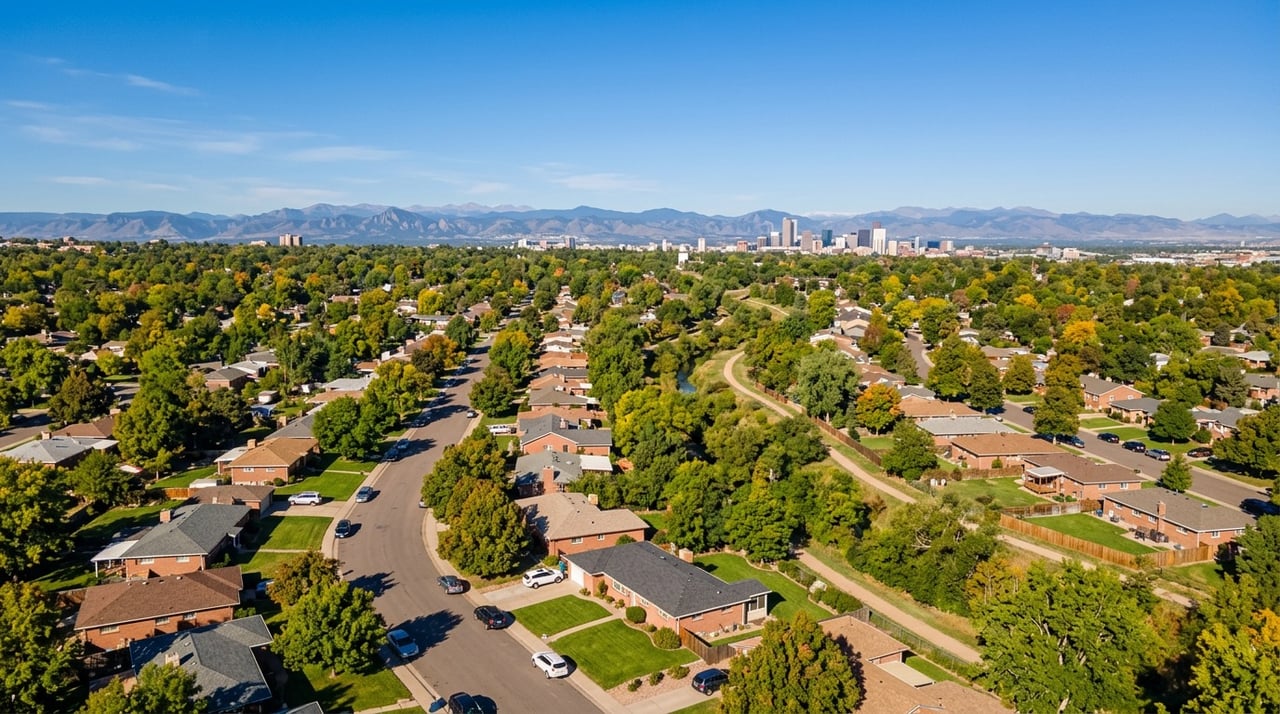
More central locations
Walkable areas with existing restaurants, bars, parks, and shops
Neighborhoods with a strong sense of community
If your ideal weekend involves strolling to brunch, biking to a brewery, or being minutes from concerts and events, a resale home in an established area can deliver that energy.
3. Potential for equity through improvements
With many resale homes, there’s still room to:
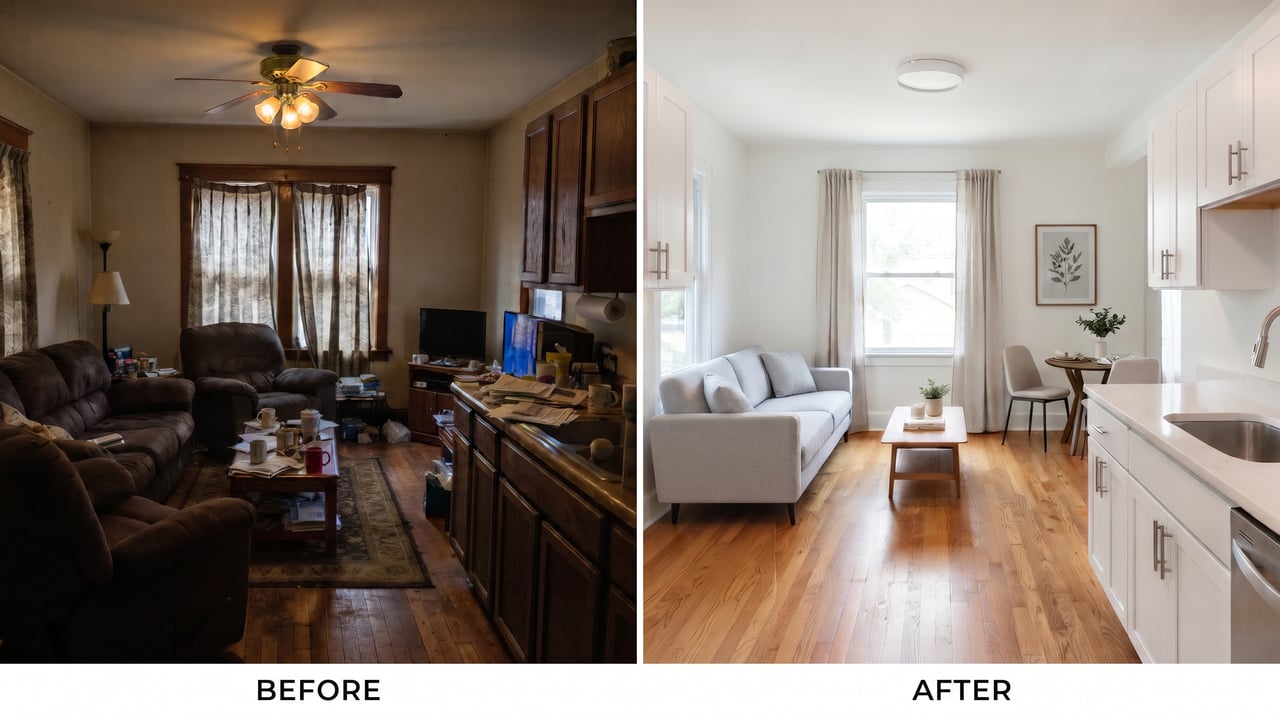
Update kitchens and baths
Open up walls where it makes sense
Finish basements or reimagine outdoor spaces
Thoughtful updates in the right neighborhood can add real value over time, especially if you have the patience and budget to tackle projects in stages.
The trade-offs of resale homes
Of course, older homes come with realities you shouldn’t ignore.
1. Maintenance and surprise repairs
Resale homes can bring:
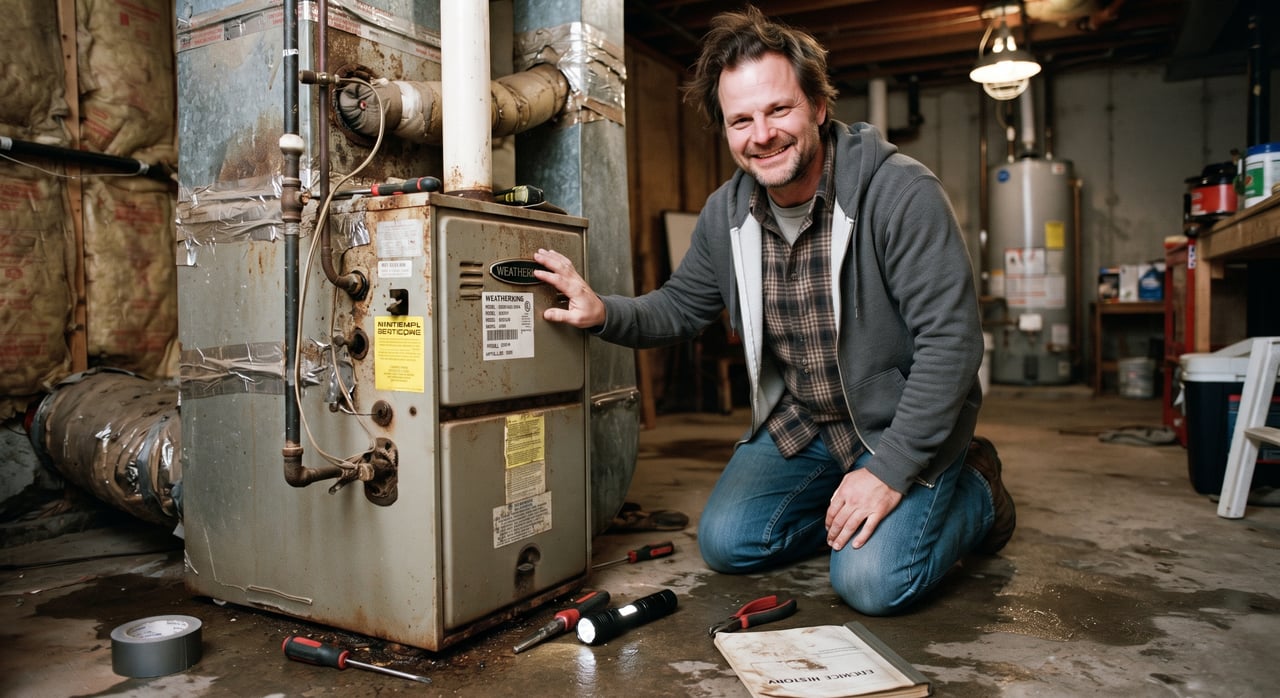
Older roofs, furnaces, or sewer lines
Worn windows and insulation
Quirky electrical or plumbing
Inspections are critical, and you’ll want a realistic budget for ongoing maintenance. That doesn’t mean you should fear older homes—it just means you need to go in with eyes open.
2. Floor plans that don’t match modern life
Some older homes have:
Small, closed-off kitchens
Tiny closets or fewer bathrooms
Low ceilings in basements or funky additions
Sometimes you can fix these things with remodeling; sometimes it’s cost-prohibitive. The right agent and a good contractor can help you separate “easy update” from “money pit.”
How to decide what’s right for you in 2026
When I help buyers choose between new and resale, we look at four main questions:
1. What matters more to you: location or “newness”?
If you know you need a short commute, walkability, or a specific school area, that may point you toward resale—or a smaller infill new build inside the city.
If you care more about a modern floor plan, low maintenance, and a newer community feel, a new build might be worth the drive.
2. How much project energy do you really have?
If the thought of renovating makes you break out in hives, lean toward homes that are already close to your ideal—whether new or nicely updated resale.
If you love the idea of slowly making a place your own, a solid older home in a great neighborhood could be a smart play.
3. How tight is your monthly budget?
New construction may mean fewer surprise repairs in the early years, but don’t forget:
Metro district taxes
HOAs
Potentially higher prices for certain upgrades
Resale homes may have higher maintenance risk, but sometimes a lower purchase price or lower ongoing fees balance that out.
4. What’s your timeline?
If you need to move quickly, a completed new home or a resale that’s ready to go can make more sense.
If your timeline is flexible, building from scratch or waiting for the right infill project to finish might be possible.
Still torn between new and resale?
You don’t have to figure this out alone or guess based on online photos.
When we work together, we’ll:
Walk through example new builds and resale homes in your price range
Run real monthly payment numbers for different neighborhoods and communities
Talk honestly about your tolerance for projects, commute, and long-term plans
Whether you end up in a shiny new build or a classic Denver charmer, the goal is the same: a home that fits your life, your budget, and your next chapter in 2026
If you’re even thinking about a move in the Denver area—now, next season, or “sometime soon”—you don’t need a hard sell. You need a clear plan.
I offer a no-pressure Denver Real Estate Strategy Session where we’ll:
Walk through your timeline, goals, and budget in plain language
Look at what’s really happening in your specific neighborhoods and price range
Map out your next best steps—whether that’s buying, selling, right-sizing, or waiting on purpose
You’ll walk away knowing:
What your current home could likely sell for in today’s market
What a comfortable purchase price and payment range looks like for your next place
Exactly what to focus on now so you’re ready when the timing feels right
When you’re ready:
Visit salliesimmons.com to explore my Buyer and Seller resources
Or call/text me directly at 662.588.2420
Or send me a quick note through my contact form with “Strategy Session” in the message
No drama, no pressure—just honest guidance from a full-time Denver REALTOR® who treats your move like it’s her own.