

By Sallie Simmons · Denver REALTOR® at Compass
Last updated: November 3, 2026
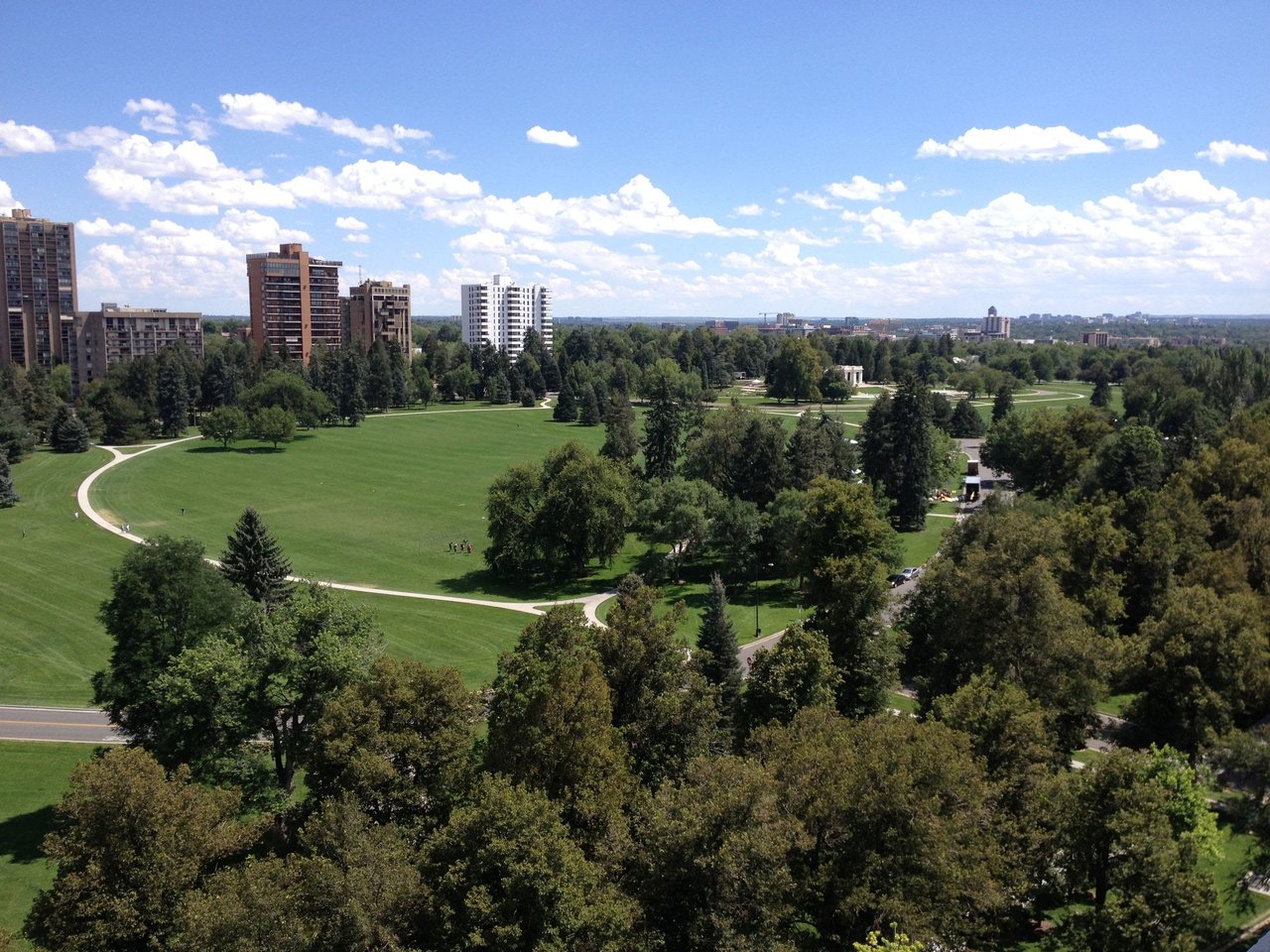
Cheesman Park combines a major neighborhood green space with older homes, established apartment buildings, condos, and a central Denver location. Its broad lawns, mature trees, and recognizable pavilion give the area a distinctive centerpiece, while surrounding streets offer several different ways to live near the park.
For buyers, the choice is not simply between a historic house and a luxury condo. Smaller condos, converted residences, established high-rise buildings, and larger detached homes can provide very different combinations of space, maintenance, amenities, and ownership costs.
Whether you're looking for a park-centered routine, comparing central Denver neighborhoods, or preparing to sell, this guide explains what to consider in Cheesman Park.
What Makes Cheesman Park Special
Cheesman Park is both a public park and the name of the surrounding Denver neighborhood. The distinction matters when comparing listings: a home described as being “near Cheesman” may be in the neighborhood itself or in a nearby area.
The park encompasses approximately 80 acres, not 155 acres. Its open lawns, tree canopy, paths, and neoclassical pavilion create a different setting from Denver parks centered on lakes or extensive sports facilities.
The pavilion was completed in 1910 and remains one of the park's most recognizable features. The landscape also has a complicated earlier history as cemetery land, an important part of understanding how the site became a public park.
Denver Botanic Gardens' York Street location sits along the park's eastern side. Its 24-acre garden campus is a separately operated destination with its own admission arrangements, programming, and visitor rules.
Surrounding residential streets bring together different periods of Denver's growth. Older detached homes, historic-era apartment buildings, converted properties, and later condo construction create a varied housing market rather than a uniform collection of grand houses.
If you're comparing nearby locations, explore my Capitol Hill neighborhood guide, Congress Park neighborhood guide, and Country Club neighborhood guide.
My guide to choosing the right Denver neighborhood for your lifestyle can help you connect those comparisons with your everyday routine.
Cheesman Park Real Estate: What to Expect in 2027
Cheesman Park's housing market includes different property types and ownership arrangements. A smaller condo, a residence in a converted older building, a high-rise unit, and a detached home should not be evaluated through one broad price estimate.
Condition, usable living space, layout, parking, outdoor areas, building characteristics, and location all influence value. For condos, association finances and ongoing costs are also central to the comparison.
For a current buying or selling decision, I review recent comparable sales and active competition rather than rely on an older neighborhood snapshot. Asking prices show what sellers hope to achieve, while completed sales show what buyers have paid.
Proximity to the park may be an appealing feature, but it does not establish an automatic premium. A home's condition, privacy, parking, floor level, outlook, and available alternatives still matter.
Property Types and Pricing Considerations
- Older detached homes: May offer architectural character, individual layouts, and private outdoor space. Evaluate major systems, renovation history, usable rooms, parking, and likely maintenance.
- Condos in older buildings: Can provide distinctive interiors and a smaller footprint. Review the unit alongside the building's condition, association finances, insurance, and maintenance plans.
- Converted residences: Require a clear understanding of the ownership structure, shared spaces, sound transmission, utilities, insurance, and responsibility for building components.
- High-rise and other established condo communities: May offer elevators, garages, shared facilities, or staffed services. Compare amenities with dues, reserves, planned work, and total monthly costs.
- Park-facing properties: Should be evaluated for the actual outlook, privacy, activity, traffic, and access. A park-adjacent address does not mean every room has a view or every property has direct access.
Market pace varies with pricing, condition, property type, location, building characteristics, and available alternatives. Some listings may attract prompt interest, while others need more time or a price adjustment. Buyers and sellers should not assume every home near the park sells quickly.
For Buyers
Start by deciding which ownership experience fits your plans. A detached home with a yard, a smaller condo in an older building, and a high-rise residence with shared amenities offer different balances of privacy, maintenance, and monthly costs.
For condos, compare the complete monthly expense. Include financing, taxes, association dues, insurance, utilities not covered by the association, and any separate parking or storage charges. A lower purchase price does not necessarily mean a lower ongoing obligation.
Review the association documents early. Relevant information can include the budget, reserves, financial statements, insurance, meeting minutes, maintenance plans, rules, rental policies, and existing or proposed special assessments.
For older homes and buildings, inspections should address more than cosmetic condition. Depending on the property, further evaluation may be appropriate for roofing, foundations, drainage, plumbing, electrical systems, heating and cooling, windows, and previous alterations.
Visit at different times to understand park activity, traffic, street parking, sound, and the route to nearby businesses. In a condo building, spend time evaluating the entrance, elevators, hallways, garage, and shared spaces as well as the unit itself.
My Denver home buyer's guide explains financing, offers, inspections, appraisals, and closing. If you're relocating, my Colorado relocation guide can help you organize the broader search.
For Sellers
Selling a Cheesman Park property starts with identifying its actual competition. A detached historic-era home, a condo in a converted building, and a high-rise unit may appeal to different buyers, even when they are close to the same park entrance.
The strongest marketing explains the property's specific advantages. Natural light, a practical layout, original details, a balcony, private outdoor space, parking, storage, and documented improvements can all contribute to its position in the market.
Preparation should make the home easy to understand. Cleaning, paint, lighting, furniture placement, maintenance, and targeted repairs may be more useful than a large renovation.
Gather available permits, warranties, service records, and information about major work. For condos, organize information about parking rights, storage, association costs, included utilities, and maintenance responsibilities.
Marketing should distinguish actual features from general neighborhood benefits. A view from a shared terrace, for example, should not be presented as the view from a private unit.
If your next move involves selling and buying, my Smart Seller Game Plan can help you think through timing. You can also contact me about pricing and preparing your Cheesman Park property.
Life in Cheesman Park: Parks, Local Businesses and Community
Parks and Recreation
Cheesman Park is the neighborhood's defining outdoor destination. Its approximately 80 acres include open lawns, mature trees, paths, a playground, and the pavilion, giving residents several ways to spend time outside.
The park's open landscape makes it a setting for walking, running, picnics, and informal gatherings. Its recreation experience differs from parks with lakes, extensive sports facilities, or long regional trail connections.
Access is property-specific. A home close to one edge of the park may be farther from the entrance or facilities you expect to use. Walk the actual route before treating park proximity as a deciding factor.
Denver Botanic Gardens provides a separate experience along the eastern side of the park. Its York Street campus includes gardens, exhibitions, educational programming, and events, with admission and access governed by the Gardens rather than ordinary park rules.
Visit the Denver Botanic Gardens York Street page for current visitor information. Denver's Cheesman Park improvement page provides information about planned playground, picnic-area, and walking-path work.
Shopping, Dining and Entertainment
Cheesman Park's location provides access to neighborhood businesses and the broader dining and entertainment options of central Denver. The most convenient destinations depend on which side of the park you live on.
Colfax Avenue offers a different commercial setting from the smaller business pockets and residential streets around the neighborhood. Nearby Capitol Hill and Congress Park add other places to explore.
The Botanic Gardens contributes cultural programming, while downtown and Cherry Creek expand the choices for museums, performances, shopping, and dining. Those are broader destinations rather than amenities equally close to every Cheesman Park property.
If everyday access to a particular commercial area matters to you, compare my Capitol Hill guide, Congress Park guide, and Cherry Creek guide with the actual routes from your shortlisted homes.
Community and Everyday Convenience
The neighborhood combines park visitors, residents, apartment buildings, condos, detached homes, and local businesses. That mix creates different rhythms between an interior residential street and a location near a busy park entrance or commercial corridor.
For condo buyers, the building is an important part of the community experience. Management, shared spaces, package systems, resident rules, maintenance, and communication can affect daily life.
Consider the practical destinations that shape your week. Groceries, pharmacies, fitness, medical services, pet care, and transit access may matter more to your routine than a general reputation for central convenience.
Parking deserves its own review. Confirm garage dimensions, assigned spaces, alley access, guest parking, and any restrictions. Street parking during a quiet showing may not reflect a busy afternoon or evening.
If a view, sunlight, or privacy is important, investigate the immediate surroundings and relevant development proposals. A central neighborhood can continue to change after you purchase.
Cheesman Park Architecture and Housing Character
Cheesman Park's architecture includes Victorian-era residences, Denver Squares, other traditional detached homes, early apartment buildings, converted properties, and later condo construction.
Some homes retain original masonry, woodwork, tall windows, porches, and distinctive room arrangements. Others have been renovated, divided into separate residences, or adapted for different uses over time.
The result is a neighborhood with more variety than the description “historic mansions and luxury condos” suggests. Buyers can encounter different building sizes, ownership arrangements, interior layouts, and maintenance needs.
Look beyond finishes when comparing properties. Natural light, sound transmission, storage, room dimensions, stairs, elevator access, and the relationship to neighboring buildings can all affect comfort.
Historic designation applies to selected properties and districts rather than automatically to every older building. Verify the address before planning exterior alterations, additions, or other work.
For condo renovations, association approval and city permits may both be relevant. Flooring, plumbing, windows, structural changes, contractor access, and construction hours can be subject to requirements.
Denver's Landmark Preservation design review guidance explains the process for designated properties and districts.
Getting Around Cheesman Park
Cheesman Park's central location can support walking, cycling, transit, and driving, but the most practical combination depends on the address and your destinations.
The park itself affects neighborhood routes. A property on one side may offer a different trip to shops, services, or transit from a home on the other side. Test the connections rather than rely only on straight-line distance.
For walking, evaluate sidewalks, crossings, lighting, traffic, and the places you expect to visit regularly. A home convenient to the park is not automatically equally convenient for every errand.
For transit, review current routes, stops, frequency, transfers, and the connection at your destination. Do not assume a central address provides direct rail access.
For driving, test your regular commute during the hours you normally travel. Traffic, parking at the destination, events, and construction can affect the trip.
If you are buying a condo, confirm whether parking is owned, assigned, leased, or provided through another arrangement. Review separate charges, guest parking, bicycle storage, and electric-vehicle charging when relevant.
Cheesman Park Schools and Enrollment
Cheesman Park is within Denver Public Schools. Current attendance assignments, enrollment zones, school choice procedures, and program availability should be verified for the property under consideration.
A nearby school's location does not automatically establish enrollment eligibility. Grade levels, application deadlines, transportation, and program requirements may affect the options available.
My guide to Denver metro school districts and school choice enrollment explains the questions to ask during your search. Confirm current details directly with the district.
Cheesman Park Denver: Frequently Asked Questions
What makes Cheesman Park unique?
Cheesman Park combines an approximately 80-acre public park with varied residential architecture, condo buildings, and access to Denver Botanic Gardens. Its appeal comes from that relationship between outdoor space, older buildings, and central Denver living.
What types of homes are in Cheesman Park?
The neighborhood includes Victorian-era homes, Denver Squares, other traditional detached residences, converted properties, condos in older buildings, and later high-rise residences. Condition, layout, parking, amenities, and ownership responsibilities vary considerably.
How much do homes cost in Cheesman Park in 2026?
A useful estimate requires current comparable sales for the relevant property type and location. A smaller condo, a high-rise unit, and a detached historic-era home can have very different values and monthly costs. Check a report's boundaries and methodology before applying its median to an individual property.
How competitive is the Cheesman Park real estate market?
Competition depends on pricing, condition, property type, building characteristics, ownership costs, and available alternatives. Some listings may attract prompt interest, while others take longer. Buyers and sellers should evaluate current comparable properties rather than assume every home near the park sells quickly.
Is Cheesman Park walkable?
Many addresses offer access to the park and nearby destinations on foot. The experience depends on the property and your routine. Walk the actual routes and evaluate crossings, sidewalks, traffic, and distance.
What schools serve Cheesman Park?
Cheesman Park is within Denver Public Schools. Verify current attendance boundaries, enrollment zones, application procedures, and program availability for the specific property directly with the district.
How large is Cheesman Park?
Cheesman Park encompasses approximately 80 acres, not 155 acres. Denver's parks department identifies its open lawns, tree canopy, trails, and civic spaces as important features of the landscape.
Is Denver Botanic Gardens part of the public park?
The Gardens' York Street campus is a separately operated, approximately 24-acre destination along the park's eastern side. Its admission arrangements, hours, programming, and visitor rules differ from those of the public park.
What should I review before buying a Cheesman Park condo?
Review the unit, building condition, association finances, reserves, insurance, maintenance plans, rules, assessments, and financing eligibility. Parking, storage, sound, elevators, pet policies, and rental restrictions may also affect your decision.
Do homes near the park always sell for more?
No automatic premium applies to every property. Park proximity may appeal to buyers, but condition, layout, privacy, parking, building costs, and current competition still affect value. Compare relevant sales rather than assign a fixed premium based on location alone.
Is Cheesman Park a good investment?
That depends on the property, purchase price, condition, financing, ownership costs, permitted use, and your goals. No neighborhood can guarantee appreciation or rental returns. For an investment purchase, review applicable requirements, ownership restrictions, realistic income, and likely expenses.
How does Cheesman Park compare with nearby neighborhoods?
Cheesman Park offers its own combination of park access, varied residential buildings, and central location. Capitol Hill, Congress Park, and Country Club provide different settings and housing choices. Explore my Capitol Hill guide, Congress Park guide, and Country Club guide, then compare actual homes and daily routes.
Work With Sallie Simmons in Cheesman Park
I'm Sallie Simmons, a REALTOR® with Compass and part of the Nostalgic Homes team. Since 2014, I've helped buyers and sellers navigate Denver real estate with straightforward advice, detailed property evaluation, and strategies built around their goals.
For Cheesman Park buyers, that means looking beyond architectural charm and park proximity to understand condition, layout, building responsibilities, ownership costs, and comparable sales. For sellers, it means identifying the property's strengths and presenting them clearly against the right competition.
Whether you're considering a condo, comparing older homes, relocating, or preparing to sell, my approach starts with understanding your priorities and explaining the tradeoffs honestly.
Explore my Denver Real Estate Resource Center for additional buying, selling, and relocation information, or browse my Denver neighborhood guides to compare locations.
Let's Get Started
Thinking about buying or selling in Cheesman Park? Let's talk about your goals, timing, and the properties you want to compare. Call me at 662.588.2420 or contact me about buying or selling in Cheesman Park.