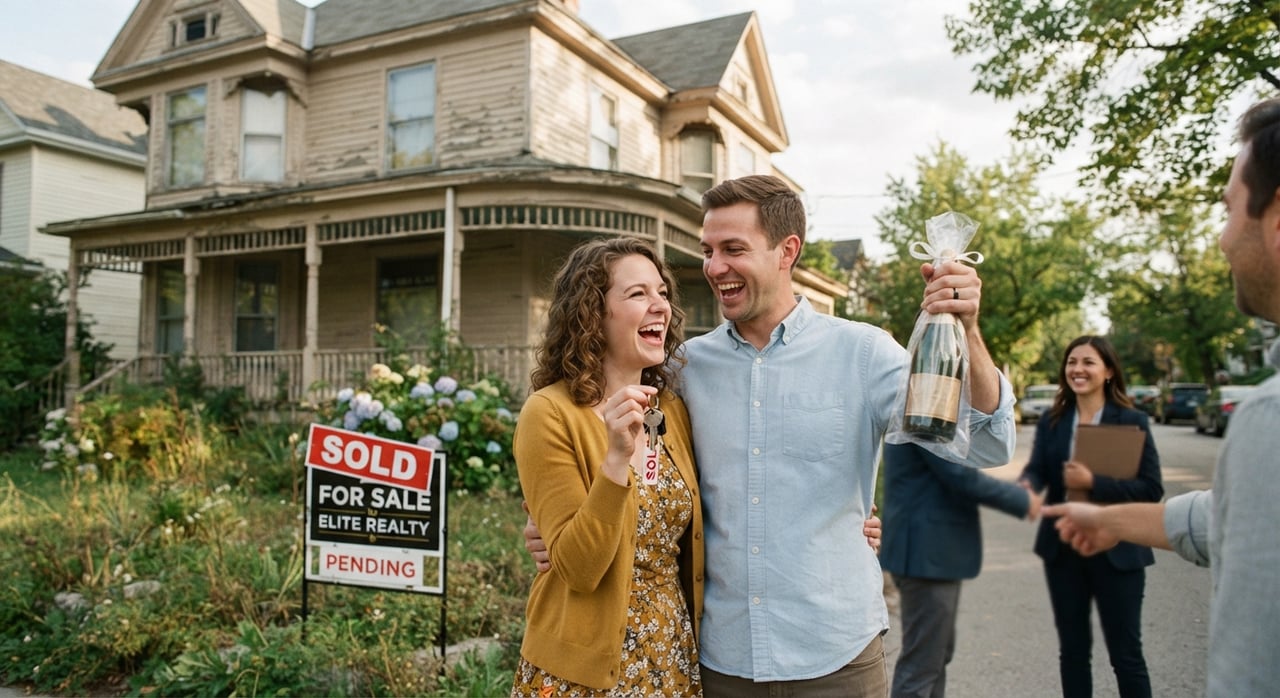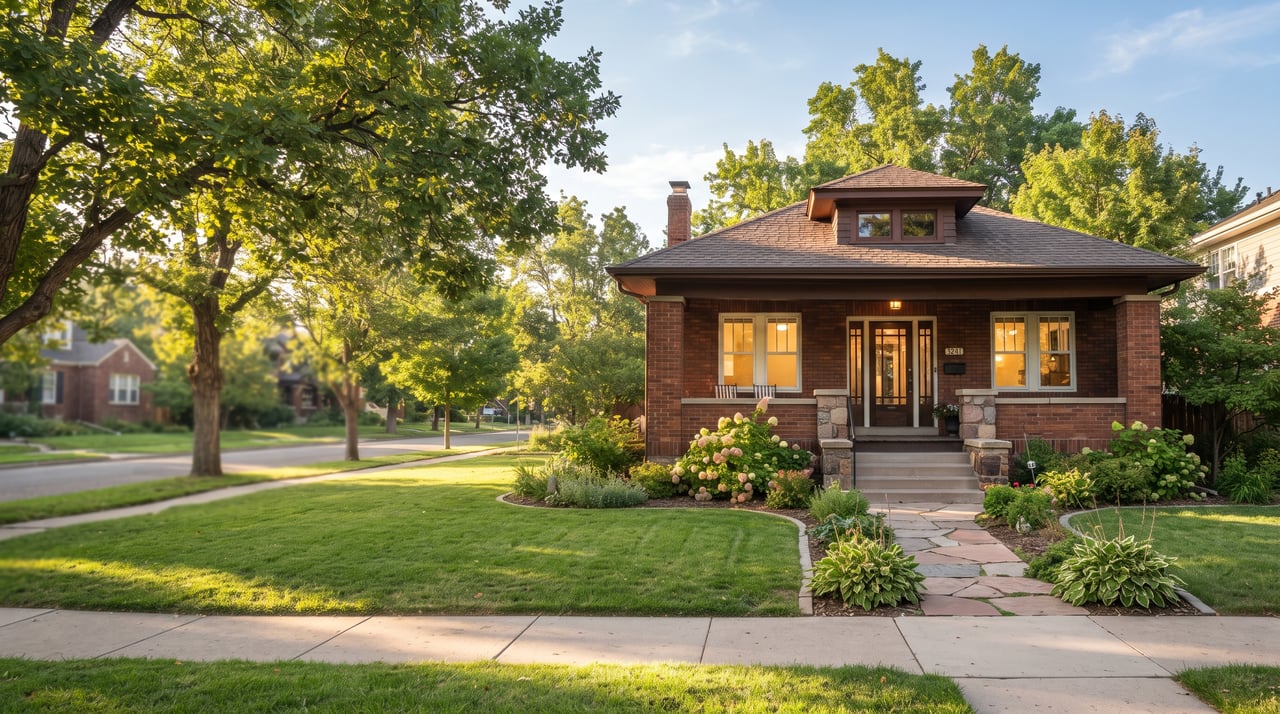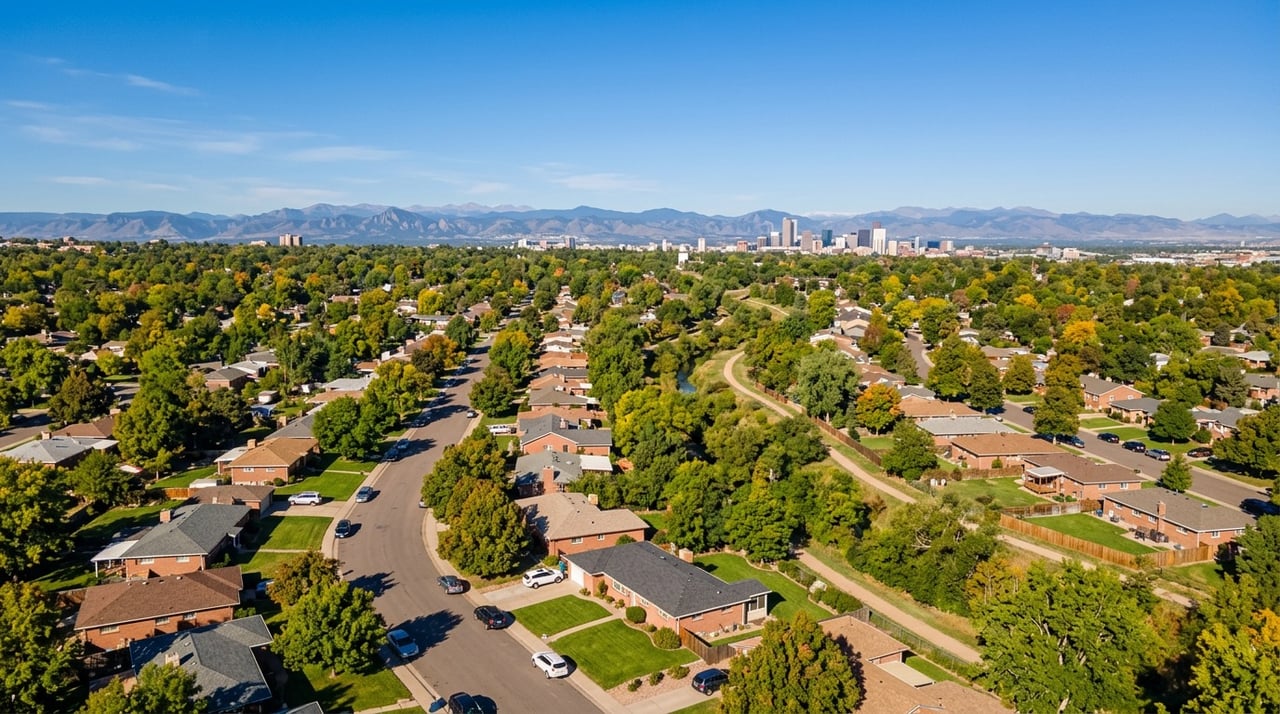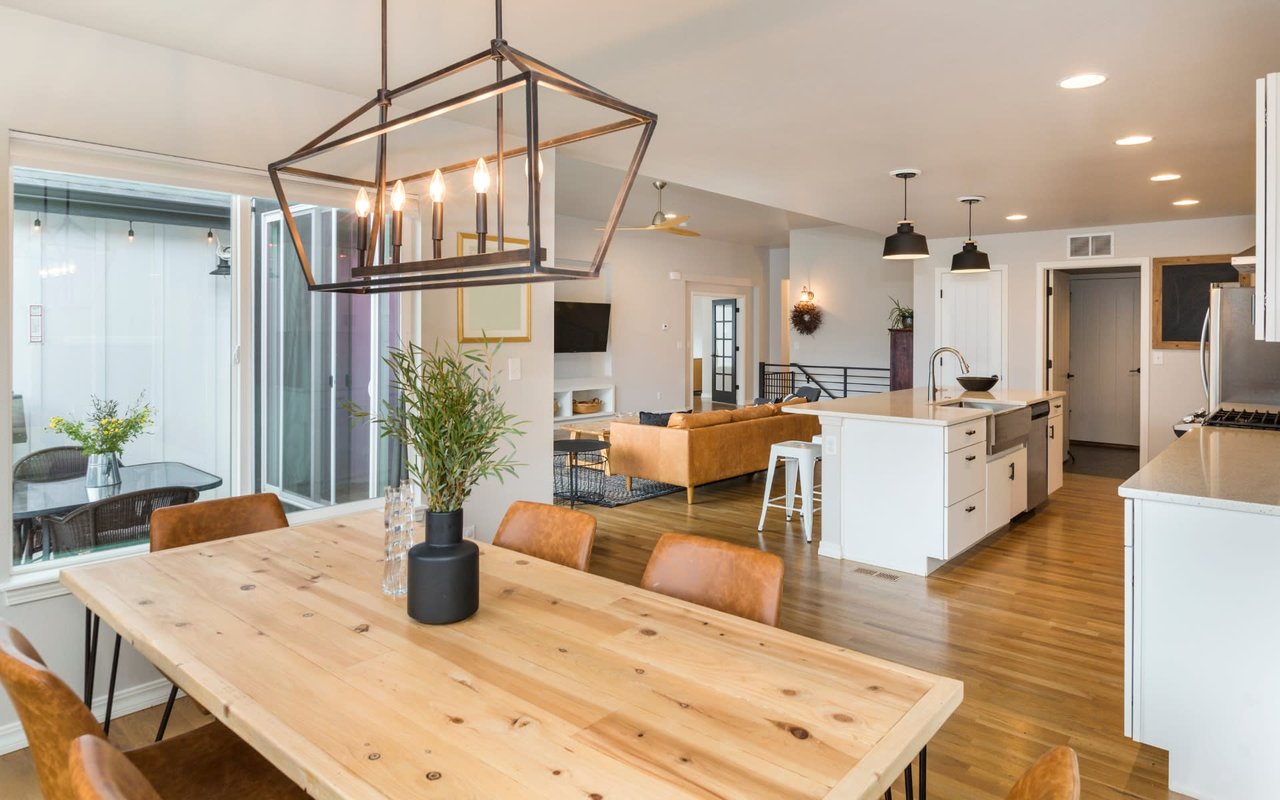
If you’ve been watching the Denver market lately, you’ve probably noticed something frustrating: some homes are sitting, and then out of nowhere one sells. The natural reaction is, “Wait… why that one?” Right now, it’s not enough for a home to be “good.” Some homes are moving, a lot aren’t, and the gap between those two groups is where this market really lives.
It’s Not About “The Market” — It’s About Your House
A lot of people want to label the Denver market as one thing—slow, balanced, shifting—but that’s not how it’s behaving on the ground. Instead, every home is being judged on its own, and buyers are extremely selective. They’re not just asking, “Do I like this house?” They’re asking, “Does this feel like a smart decision? Am I getting value? Is this better than what else I’ve seen?” If they can’t answer “yes” to those questions quickly and confidently, they move on.
What Is Selling Right Now
There are still plenty of homes that are selling, but they share a few clear traits.
1. They Feel Like a Deal
In this environment, “fair” or “about right” often isn’t enough. Buyers want to feel like they’re getting a deal—on price, on condition, on location, or on some combination of the three. If the home feels even slightly stretched for what it is, they hesitate. With more choices and more time than they had a couple of years ago, buyers are comparing everything, and the homes that stand out are the ones that clearly overdeliver for the price.
2. They’re Truly Move-In Ready
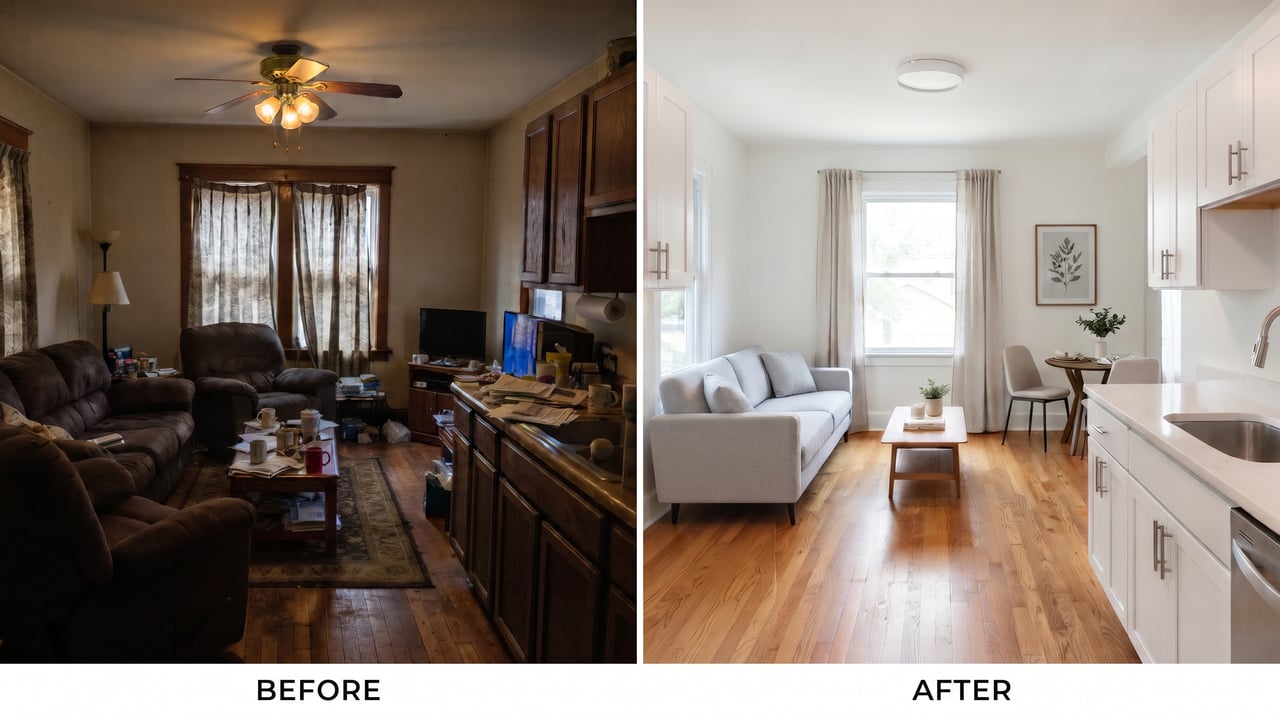
Buyers right now are not excited about projects. Even small updates or repairs can feel like a burden when people are already juggling higher rates, cost of living, and general uncertainty. If a home feels clean, updated, and easy to live in from day one, it removes friction from the decision. That doesn’t always mean a full renovation; it often looks like thoughtful prep, cosmetic updates, and addressing anything that might cause a buyer to pause or wonder what else is hiding behind the walls.
3. They Show Well Immediately
First impressions have always mattered, but in this market they matter even more because most buyers are starting their search on a phone screen. Photos, staging, lighting, and layout all work together to tell a story in the first few seconds someone is scrolling. If a listing doesn’t stand out in that moment, it gets skipped before it ever has a chance to impress in person. The homes that sell are the ones where the online experience makes it obvious that the property is worth getting off the couch to see.
4. They’re Positioned Correctly From Day One
Pricing and positioning at launch are doing a lot of heavy lifting right now. Homes that hit the market at the right number—or even slightly under where buyers expect—tend to generate momentum quickly. That early activity matters: multiple showings, strong feedback, and early interest all create a sense of confidence around the property. Once a listing feels “active,” buyers take it more seriously, and that social proof can be the nudge a hesitant buyer needs to write an offer.
What’s Not Selling Right Now
This is where most sellers get surprised. Their home isn’t bad, and it might even be objectively nice, but it’s just not quite right for this version of the Denver market.
1. “Slightly Overpriced” Listings
This is the biggest category. In a hotter market, you could test a higher list price, gather feedback, and adjust after a week or two. Right now, that approach works against you. Buyers are already cautious, and if something feels off on price, many of them won’t even engage. They don’t send the showing request and they don’t come back later to see if you reduced it. By the time a price drop happens, the listing has already picked up “Why hasn’t it sold yet?” energy that’s hard to shake.
2. Homes That Need Work (But Aren’t Priced That Way)
Homes that clearly need updates, repairs, or vision can absolutely sell—but only when the price reflects the reality of the work. Most buyers right now are not looking to pay top dollar and then go straight into a renovation. They might be willing to take on projects if they see the upside, but they expect to see that upside baked into the numbers. When a home needs work and is still priced like it’s already been fully updated, it tends to sit while buyers gravitate toward cleaner, easier options at similar price points.
3. Poor Presentation
Presentation is another place where “almost” isn’t enough. Dark rooms, cluttered spaces, and low-quality photos can kill momentum before it ever starts. In a feed full of bright, well-staged listings, anything that looks dim, cramped, or chaotic feels risky, even if the bones of the home are great. In this market, you rarely get a second chance at a first impression; if buyers don’t like what they see online, they never come through the front door to discover how nice it might be in person.
4. Unique Homes That Require “the Right Buyer”
Homes with very specific floor plans, bold design choices, or one-of-a-kind features have always taken longer to find their match. In a cautious market, that timeline stretches even more. There are simply fewer buyers who are willing to stretch on layout, style, or location when they feel like they have safer, more conventional options. These properties can still sell well, but they need more patience and a strategy built around finding that specific buyer instead of trying to appeal to everyone.
5. Sellers “Testing the Market”
Finally, there are the “let’s just see what happens” listings. In a market where buyers are already skeptical, that approach rarely works. When pricing, prep, or marketing feel half-hearted, buyers pick up on it. They’re looking for clarity and confidence, not experiments. If the strategy is to test an ambitious number without committing fully to presentation and positioning, what usually happens is… nothing.
Why This Is Happening
If you read the last blog on why homes are sitting in Denver right now, this connects directly to that conversation. Buyers don’t fully trust the market, so they’re cautious. That caution shows up as slower decisions, more comparison shopping, and a higher bar for what feels worth moving on. As a result, they’re only acting when something feels obvious—not decent, not almost there, but clearly the best choice among the current options.
The homes that sell are the ones that make the decision feel easy. The pricing makes sense, the condition removes question marks, the location fits, and the online presentation backs all of that up. When those pieces line up, even hesitant buyers are willing to move.
What Sellers Should Take From This
This is no longer a market where you can be “close enough.” If you’re selling, you have to be intentional. That looks like pricing with strategy instead of hope, preparing the home to remove as much friction as possible, and investing in a strong first impression both online and in person. It also means being brutally honest about how your home compares to what else is on the market right now, not just how it stacks up against what you remember from a year or two ago.
Because buyers have options—and they’re using them. If your home doesn’t clearly rise to the top of that list on value, presentation, or both, it’s far more likely to sit than to surprise you with multiple offers.
What Buyers Should Take From This
For buyers, there is opportunity in this market—but it’s not everywhere. Some homes are sitting for good reasons: they’re overpriced, underprepared, or out of sync with what buyers want right now. Others are still moving quickly because they’re aligned on price, condition, location, and overall feel. Your advantage isn’t just that things are slower; it’s that you have the time and space to tell the difference between “looks good on paper” and “actually worth writing an offer on.”
The key is to recognize that the best homes—the ones that check your boxes and feel like a genuine deal—still don’t sit forever, even in a cautious market. Slower doesn’t mean stopped; it means you have a better chance to make a thoughtful decision when the right thing shows up.
The Bottom Line
The Denver market right now isn’t really about whether homes are selling or not. It’s about which homes are selling—and why. The difference between sitting and selling often comes down to a handful of details: a price that’s slightly too ambitious, prep that’s almost good enough, marketing that doesn’t quite land. Those small gaps matter. They’re the difference between, “Why isn’t this moving?” and, “We just got an offer.”
Final Thought
If you’re a seller trying to figure out how to position your home so it actually moves, or a buyer trying to understand where the real opportunities are, this is one of those markets where strategy matters more than timing. The goal isn’t just to be on the market—it’s to stand out in it. And if you want help figuring out what that looks like for your specific situation, that’s exactly what I do.
FAQ: What Actually Sells in Denver Right Now
Why are some Denver homes selling quickly while others sit?
Because buyers are more selective and cautious than they were a couple of years ago, even “good” homes don’t automatically move. The ones that sell tend to hit the right combination of pricing, condition, and presentation from day one. Homes that feel even slightly overpriced, underprepared, or confusing to buyers often just get skipped in favor of cleaner, better-positioned options.
What does “feels like a deal” actually mean in this market?
“A deal” doesn’t always mean a low price—it means clear value. That could be a home that’s priced realistically for its condition, a well-updated home in a great location at a number that feels compelling, or a property that clearly outperforms other listings in the same price range. Buyers are comparing everything, so a home feels like a deal when it stands out in a good way against what else they’ve seen.
Are fixer-uppers still selling in Denver?
Yes, but only when the price truly reflects the amount of work needed. Buyers right now are much less willing to pay renovated-home prices for properties that still need significant updates. If a home needs vision, repairs, or major cosmetic work, it can still sell—and sometimes to a very motivated buyer—but the list price has to create enough room for those projects to make sense.
How important is staging and photography right now?
Very. Most buyers start on their phones, and they’re making quick decisions about what’s worth seeing in person. Strong photos, good lighting, and thoughtful staging make a home feel move-in ready and well cared for before anyone steps inside. Poor presentation doesn’t just hurt the first impression; it can keep a home off a buyer’s showing list entirely.
Can I still “test the market” with a higher list price?
In this environment, “testing” usually backfires. If the price feels off, buyers often don’t engage at all—they scroll past it rather than scheduling a showing and giving feedback. By the time you reduce the price, the days-on-market count and lack of early activity can create a stigma that’s hard to undo. Starting in the right range typically leads to a better outcome than starting high and chasing the market down.
What should sellers focus on first if they want their home to actually sell?
Start with three things: strategic pricing, removing friction (repairs, small updates, and decluttering), and nailing the first impression online. From there, it’s about understanding how your home compares to active competition and being willing to adjust based on real-time feedback rather than just hoping the right buyer shows up eventually.
Is this a “good” market for buyers?
It can be, if you’re realistic and prepared. There’s more room to think, negotiate, and walk away than there was during the peak frenzy, but the best homes still get attention. The advantage for buyers is the ability to be thoughtful—seeing patterns in what’s sitting versus what’s moving—and acting decisively when you find a home that clearly fits your priorities and feels like solid value.
How do I know if a home is worth writing an offer on?
Look at four things together: price, condition, location, and how it compares to everything else you’ve seen. If it checks your non-negotiables, feels fairly (or advantageously) priced for its condition, and stacks up well against recent listings and sales, it’s likely worth serious consideration. In this market, the homes that hit all of those marks don’t usually sit as long as everything else around them.
Do I need a different strategy if my home is “unique” or more niche?
Yes. Homes with unusual layouts, bold design choices, or very specific appeal often need a more tailored approach. That can mean a sharper focus on the right buyer profile, extra attention on storytelling in the marketing, and a more realistic timeline. Trying to market a highly specific home as if it should appeal to everyone usually leads to frustration and longer days on market.
How do I figure out the right strategy for my specific situation?
The “right” strategy depends on your timeline, your property, and what’s happening in your micro-market—not just Denver as a whole. That’s where a detailed pricing and positioning conversation comes in: looking at your exact area, your competition, your goals, and then building a plan that makes your home one of the obvious yeses instead of one more maybe buyers swipe past.
If you’re buying, selling, or moving to Denver and want to talk through your specific situation, feel free to reach out directly.
Call or text: 662.588.2420
Email: [email protected]