Why Denver Isn't One Housing Market Anymore
The biggest mistake buyers and sellers are making in 2026 is assuming all of Denver is moving in the same direction.
If you've spent more than five minutes reading real estate headlines lately, you've probably seen conflicting stories.
One article says buyers have all the power. Another says homes are still selling quickly. One source says prices are falling while another says values are increasing.
So which is it?
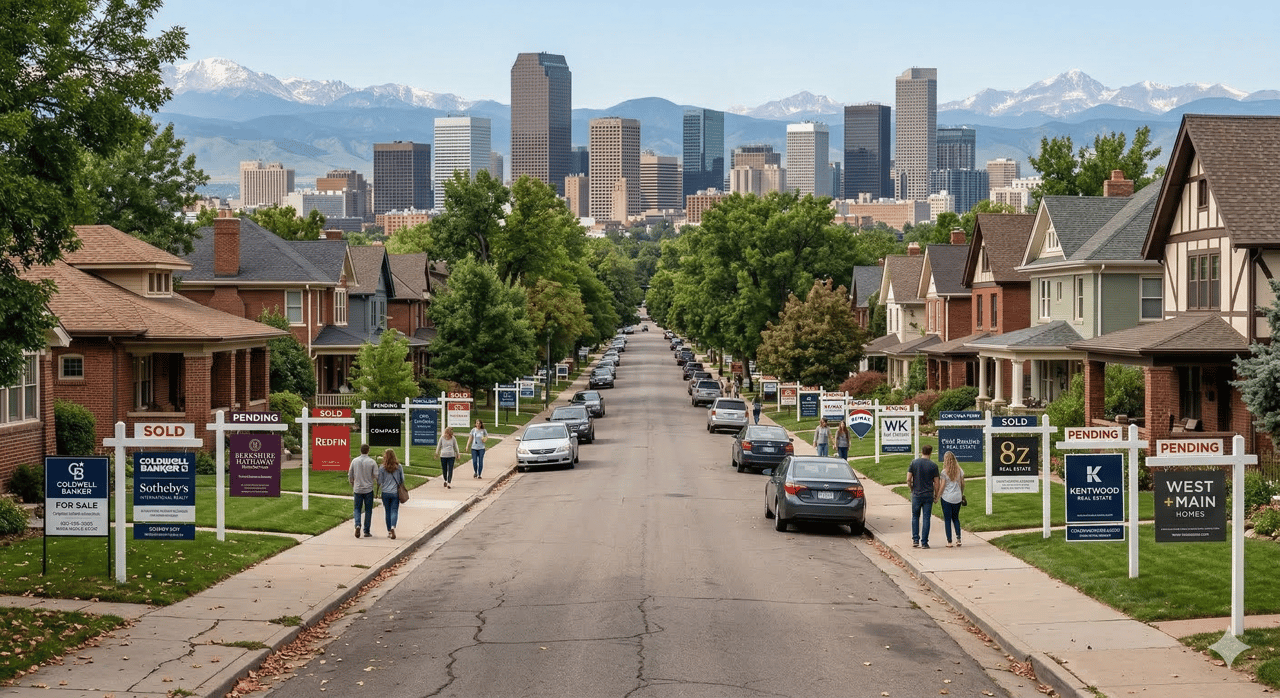
The truth is that Denver is no longer one housing market. It's dozens of different markets moving at different speeds.
And understanding that difference can mean tens of thousands of dollars whether you're buying or selling.
The Days of One Denver Market Are Gone
For years, almost everything moved together.
Inventory was low.
Multiple offers were common.
Homes routinely sold over asking price.
Whether you were shopping in Highlands, Littleton, Arvada, Westminster, or Wash Park, the overall story was fairly similar.
Today, that's no longer the case.
Inventory has increased significantly across the Denver Metro area, creating more opportunities for buyers and more competition for sellers. The market has become increasingly neighborhood-specific, price-specific, and property-specific.
The result?
A house in one neighborhood may receive multiple offers while a nearly identical home across town sits on the market for weeks.
Single-Family Homes and Condos Are Telling Different Stories
One of the biggest divides in today's market is between detached homes and attached housing.
Many well-priced single-family homes in desirable neighborhoods continue to attract strong buyer interest.
Condos and townhomes, however, are facing additional challenges.
Higher HOA dues, rising insurance costs, special assessments, and increased inventory have caused many buyers to become more selective when considering attached housing.
This is why you might hear one homeowner say their property sold in a weekend while another struggles to generate showings.
Both experiences can be true.
Price Point Matters More Than Ever
Another major factor is price range.
The median Denver Metro closing price remains around $590,000, and the $500,000 to $750,000 range continues to represent the largest portion of buyer activity.
Homes in this range often see stronger demand because they remain attainable for a larger segment of buyers.
Once properties move into higher price brackets, the buyer pool shrinks considerably.
That doesn't mean luxury homes won't sell.
It simply means sellers must be more strategic with pricing, presentation, and expectations.
Neighborhoods Are Moving at Different Speeds
Take a look around the metro area and you'll see very different conditions.
Walkable neighborhoods with strong amenities, established character, and limited housing supply often continue to perform well.
Areas with significant new construction or large increases in inventory may experience longer marketing times and more negotiation.
This is why broad headlines often fail consumers.
When someone says "Denver is a buyer's market," the immediate response should be:
"Which part of Denver?"
Because the answer may be completely different depending on where you're standing.
Buyers Have More Power Than They Did Three Years Ago
That doesn't mean buyers can write unrealistic offers and expect sellers to say yes.
But today's buyers often have opportunities that barely existed during the frenzy of 2020 through 2022.
Inspection negotiations are more common.
Seller concessions are more common.
Price reductions are more common.
And inventory levels have created more choices than buyers have seen in years.
The advantage belongs to informed buyers, not necessarily aggressive buyers.
Sellers Can Still Win
Some sellers hear about rising inventory and assume they missed their chance.
That's not necessarily true.
Homes that are priced correctly, professionally marketed, and presented well are still selling.
The challenge is that today's market is less forgiving.
Buyers have options.
A property that is overpriced, poorly photographed, or not properly prepared is likely to sit longer than it would have a few years ago. Rising inventory has increased competition among sellers and made realistic pricing more important than ever.
The Bottom Line
The biggest mistake you can make in 2026 is relying on national headlines or even metro-wide statistics.
Denver isn't one housing market anymore.
A condo in downtown Denver.
A luxury home in Cherry Creek.
A starter home in Westminster.
A property in Arvada.
A home in Highlands.
They may all be experiencing completely different levels of demand, competition, and negotiating leverage.
That's why local knowledge matters more today than it has in years.
If you're thinking about buying or selling, don't rely on what the market is doing.
Find out what your market is doing.