

By Sallie Simmons · Denver REALTOR® at Compass
Last updated: November 3, 2026
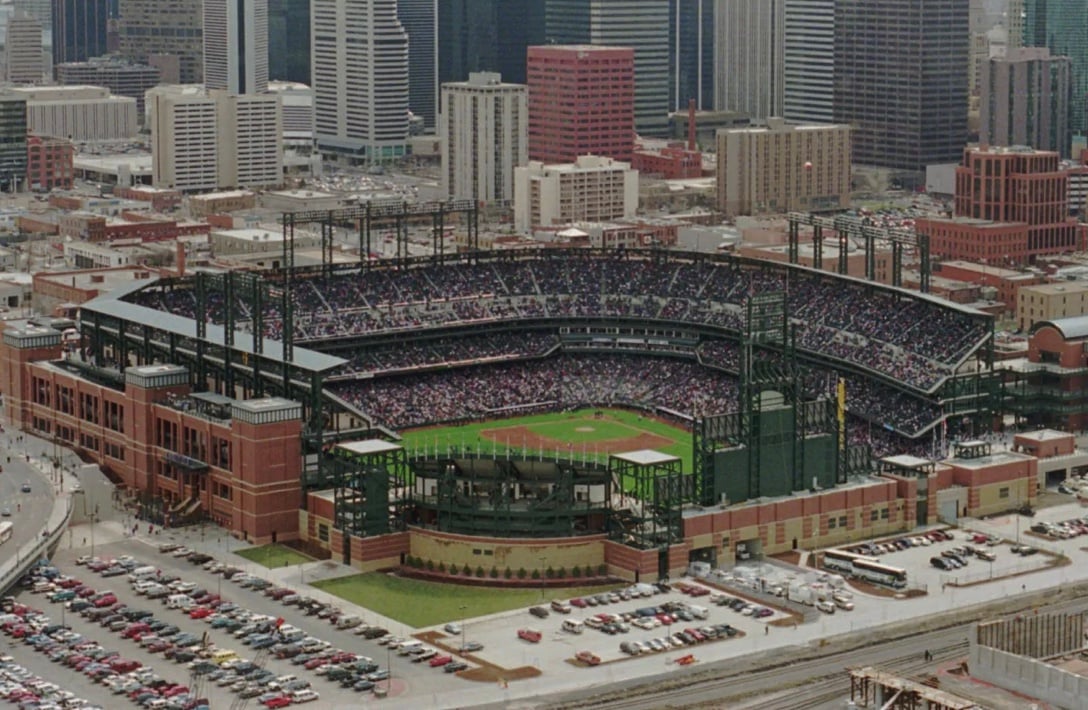
Ballpark is an urban Denver neighborhood next to Coors Field, with historic warehouse lofts, modern condos, restaurants, breweries, and walkable streets just northeast of LoDo. Its industrial past remains visible in brick buildings that have been converted into residences, offices, and gathering places.
For buyers, the appeal may be an authentic loft, a newer condo, or a walkable routine close to downtown. For sellers, the opportunity is to show how a home's building, layout, and location fit buyers who want an active city lifestyle.
This guide explores Ballpark's housing, nightlife and dining, transportation, and the details that matter when buying or selling here.
What Makes Ballpark Special
Ballpark takes its name and much of its energy from Coors Field, home of the Colorado Rockies. Game days bring added activity, but the neighborhood is also a place where people live, work, and spend time year-round.
The area grew in the late 19th century around warehouses, factories, and rail yards. Many of those brick buildings have since been converted into lofts, restaurants, and offices, giving the neighborhood a recognizable industrial character.
Alongside the historic buildings, newer condos and townhomes offer a more contemporary option. That contrast between old and new is central to how Ballpark looks and feels.
The neighborhood sits just northeast of LoDo, which places it close to Union Station, downtown offices, and other central Denver destinations. Many residents choose it because they can use the surrounding streets on foot.
For a broader comparison, read my Denver neighborhood guide organized around lifestyle, budget, and goals.
If walkability is a priority, read my post on the most walkable Denver neighborhoods.
You can also explore my Five Points neighborhood guide, LoDo neighborhood guide, and RiNo neighborhood guide to compare nearby options.
Ballpark Real Estate: What to Expect in 2027
Ballpark's housing is mostly attached: converted warehouse lofts, condos in newer buildings, and townhomes. Ownership comes with building-level considerations that matter as much as the unit itself.
Rather than give you generic numbers, I prefer to provide accurate pricing based on current market conditions and the type of home you are considering. Whether you are looking for a historic loft, a modern condo, or a townhome in Ballpark, I can help you understand where it fits in the local market.
Unit position, ceiling height, windows, outdoor space, parking, and building amenities all affect value. A loft with original brick and timber is a different purchase from a newer condo with a balcony and assigned garage space.
For budgeting beyond the purchase price, my Denver cost-of-living guide outlines expenses to consider alongside your mortgage.
Property Types and Pricing Considerations
- Converted warehouse lofts: Offer exposed brick, high ceilings, and open floor plans. Window placement, sound, storage, and the building's age and systems deserve close attention.
- Modern condos: Provide contemporary layouts and building amenities. Compare association dues, included services, parking, storage, and balcony or terrace space.
- Townhomes: Often arrange living space across several levels with private entrances. Consider stairs, garage access, outdoor areas, and any shared maintenance obligations.
- Penthouses and larger lofts: Offer additional space and views. Review the building's finances, the unit's layout, and how the features you value will be used day to day.
- Smaller condos: Can offer a more accessible entry point into the neighborhood. Total monthly costs, including dues, matter alongside the purchase price.
For Buyers
Start by deciding between a historic loft and a newer building. Each offers a different balance of character, maintenance, amenities, and monthly costs.
For condos, review the association documents early. Relevant information can include the budget, reserves, financial statements, insurance, meeting minutes, maintenance plans, rules, rental policies, and existing or proposed special assessments.
My posts on rising HOA costs and condo resale value and on condos, townhomes, or houses for a first home cover the questions to ask.
Visit at different times of day and, if possible, on a game day. Event traffic, noise, parking availability, and street activity can affect some buildings and units more than others.
My Denver home buying guide explains how to evaluate homes and prepare for the purchase process.
If you are ready to narrow your options, complete my buyer questionnaire. Tell me your budget, timeline, and priorities, and we can build a focused Ballpark search.
For Sellers
A Ballpark sale should reflect the building and unit. A loft with original brick and timber needs a different presentation from a newer condo with a balcony, and each competes for a different type of buyer.
Natural light, ceiling height, layout, storage, parking, and building amenities can help buyers understand the unit's appeal. For historic lofts, the building's character and its recent maintenance are part of the story.
For associations, clear information about dues, reserves, insurance, rental policies, and recent or planned projects helps buyers evaluate the unit with confidence. Having it ready can make the listing easier to assess.
I can help you decide which preparation is worthwhile, how to price the unit, and how to present its advantages to the right buyers.
To begin exploring your home's value, use my home valuation tool.
My seller guide explains the sale process. If your move involves both selling and buying, explore the Smart Seller Game Plan.
Life in Ballpark: Parks, Local Businesses and Community
Parks and Recreation
Ballpark itself is more urban than green, but the surrounding area offers outdoor options. The South Platte River corridor and the Cherry Creek Trail provide routes for walking, running, and cycling.
Access depends on the building's location, so check the route from your door to the trail or park you would use. Street crossings and distance can change how easy a quick outing feels.
Many buildings add their own outdoor space, such as rooftop decks, courtyards, and balconies. Compare these amenities when evaluating a home, since they can substitute for private yard space.
For longer outings, other Denver parks and trails are within reach by bike, transit, or car.
Shopping, Dining and Entertainment
Ballpark is known for its dining and nightlife, with breweries, sports bars, rooftop patios, and local restaurants. Game days add energy, though the neighborhood also stays active outside baseball season.
LoDo, Union Station, the 16th Street Mall, and RiNo expand the choices for shopping, restaurants, and entertainment. Several are reachable on foot or by bike, depending on the starting point.
For more on dining across the city, read my post on the best Denver neighborhoods for foodies.
Explore my LoDo guide and RiNo guide for more about the surrounding area.
Community and Everyday Convenience
Ballpark has a lively, social atmosphere, with rooftop gatherings, neighborhood events, and sports-related activity. It is busier than most residential neighborhoods, which suits residents who want energy at their doorstep.
Daily convenience depends on the building. Parking, package handling, guest access, noise, and the surrounding businesses differ between a quiet interior block and a unit overlooking a busy corner.
In loft buildings, sound and temperature can vary with construction and unit position. Ask about insulation, windows, and the unit's exposure when comparing options.
If you are moving from outside the area, my Denver relocation guide can help you compare Ballpark with your broader work and lifestyle needs.
Ballpark Architecture and Housing Character
Ballpark's architecture reflects its industrial roots. Brick warehouses and factories from the late 1800s and early 1900s have been converted into lofts with exposed brick, high ceilings, and open floor plans.
Alongside these, newer condo buildings and townhomes offer more contemporary design. The contrast between historic character and modern construction is part of what makes the neighborhood distinctive.
Authentic loft spaces differ from newer lofts built to look industrial. Original timber, masonry, and large windows are part of the appeal, though older buildings may bring different maintenance considerations.
In both historic and modern buildings, compare layout, natural light, storage, ceiling height, and the placement of bedrooms and bathrooms. Open plans can feel spacious, but they do not suit every routine.
For buyers planning changes, building rules and association approval may apply in addition to city permits. Confirm the requirements before assuming a renovation can proceed.
Getting Around Ballpark
Ballpark is one of Denver's more walkable neighborhoods, and many residents can reach Coors Field, Union Station, and downtown offices on foot. Walking, cycling, transit, and driving can each play a role in a routine.
Bus routes and nearby rail stations connect the area with other parts of the metro. Consider the walk to the stop or station, current service, any transfers, and the final leg to your destination.
Bike lanes and trails add options for cycling. The streets and crossings between a building and a route are part of the complete trip.
Event days can change how the neighborhood moves. Road closures, crowds, and parking demand affect driving, and rideshare drop-offs may be busier than usual.
If you plan to own a car, evaluate the parking arrangement closely. Confirm whether a space is included, how the right to use it is documented, and what guest options exist. For more on car-light living, read my post on the most walkable Denver neighborhoods.
Ballpark Schools and Enrollment
Ballpark is within Denver Public Schools. School assignments and enrollment options should be checked using the specific property address.
School choice procedures, grade levels, program availability, and transportation may affect your options. A nearby school's location does not automatically establish eligibility or guarantee admission, and families in central Denver often consider charter and private schools as well.
If schools are part of your home search, confirm current information directly with the district before making a purchase decision. My guide to Denver metro school districts and school choice enrollment explains how the process works.
Ballpark Denver: Frequently Asked Questions
What makes Ballpark unique?
Ballpark combines a location next to Coors Field, historic warehouse lofts, modern condos, and an active dining and nightlife scene. Its industrial past and walkable streets set it apart from more residential neighborhoods.
What types of homes are in Ballpark?
The neighborhood is made up mostly of converted warehouse lofts, modern condos, and townhomes. Rental apartments are also part of the housing mix.
How much do homes cost in Ballpark?
Pricing depends on the building, unit size, layout, parking, views, and amenities. Tell me what type of home you are considering, and I can provide current pricing information tailored to your search.
How competitive is the Ballpark real estate market?
The answer depends on the home and the alternatives available at the time. I can help you understand current buyer activity, pricing, and how a particular property compares with its competition.
Is Ballpark walkable?
Yes, it is among Denver's more walkable neighborhoods, with restaurants, Coors Field, and downtown destinations nearby. The experience depends on the building's location, so walk the routes you would use regularly.
What is it like to live near Coors Field?
Game days bring added activity, crowds, and traffic, which some residents enjoy and others plan around. Visiting a property on an event day can help you decide how it fits your routine.
What should I review before buying a Ballpark condo?
Review the unit, building condition, association finances, reserves, insurance, maintenance plans, rules, assessments, and financing eligibility. Parking, storage, noise, rental policies, and pet rules may also affect your decision.
What schools serve Ballpark?
Ballpark is within Denver Public Schools. Confirm current assignments, school choice procedures, program availability, and transportation directly with the district using the property's address.
How does Ballpark compare with nearby neighborhoods?
Ballpark offers its own combination of lofts, condos, and sports-centered energy. Explore my Five Points guide, LoDo guide, and RiNo guide to compare surrounding locations and housing choices.
Work With Sallie Simmons in Ballpark
I'm Sallie Simmons, REALTOR® with Compass and a member of the Nostalgic Homes team. Since 2014, I've helped buyers and sellers navigate Denver real estate with local knowledge, straightforward advice, and a strategy built around their goals.
In Ballpark, that means helping you compare historic lofts with newer condos, understand building finances and rules, and choose a location that fits your routine. For sellers, it means presenting the unit's character, condition, and building clearly.
For additional information, visit my real estate FAQ page, review my seller guide, or explore my Denver neighborhood guides.
Let's Get Started
Thinking about buying or selling in Ballpark? Let's talk about your goals. Call or text me at 662.588.2420 or visit salliesimmons.com to connect.
Explore Nearby Neighborhoods
Five Points | LoDo | RiNo