



By Sallie Simmons · Denver REALTOR® at Compass
Last updated: November 4, 2026
RiNo, short for the River North Art District, is Denver's best-known creative district, with industrial buildings turned into studios, breweries, restaurants, and lofts, a dense collection of murals, and a rail station that connects to Union Station and the airport. It sits just northeast of downtown along the South Platte River and offers walkable urban living with a strong arts identity.
For buyers, the appeal may be a loft or condo in a converted building, a new townhome, or a car-light lifestyle with dining and culture at the door. For sellers, the opportunity is to show how a home's design, building, and location fit buyers who want to live in the middle of Denver's creative energy.
This guide explains RiNo's history, housing, parks, transportation, and the details that matter when buying or selling here.
What Makes RiNo Special
For most of the 20th century, the area northeast of downtown was a working landscape of rail yards, warehouses, factories, and stockyards. Industry along the South Platte River and the rail lines shaped the street grid, and the heavy brick buildings along Blake, Walnut, and Larimer Streets date from that era.
As industry declined, artists moved into the cheap, sunny, loft-like spaces. In 2003 the city issued a River North plan for the area, and in 2005 local artists formed the River North Art District to connect arts organizations and promote the district. The nickname RiNo caught on quickly.
The district grew from a handful of artists into a certified Colorado Creative District. Today it is a registered neighborhood organization and a nonprofit that supports artists, public art, and community programs, and a general improvement district funds public infrastructure along the Brighton Boulevard corridor.
RiNo is an arts district rather than a separate official city neighborhood. It overlays parts of Five Points, Cole, Globeville, and Elyria-Swansea, so you may see different neighborhood names in listings and in city data.
The district is commonly described as running from I-25 east toward Downing Street and from Park Avenue West north to I-70. Brighton Boulevard is the main western corridor, and Larimer, Walnut, and Blake Streets run through the core.
Public art is a defining feature. Murals by local, national, and international artists cover walls, alleys, and bridges, supported by programs such as CRUSH Walls and the RiNo Mural Program, which pays the artists it commissions.
Change is constant here. New buildings, restaurants, and public improvements continue to open, so spend time on the specific blocks you are considering.
For a broader comparison, read my Denver neighborhood guide organized around lifestyle, budget, and goals, and my guide to buying a home in 80205: RiNo, Five Points, and Curtis Park.
You can also explore my Cole neighborhood guide, Curtis Park neighborhood guide, and Five Points neighborhood guide to compare nearby options.
RiNo Real Estate: What to Expect in 2027
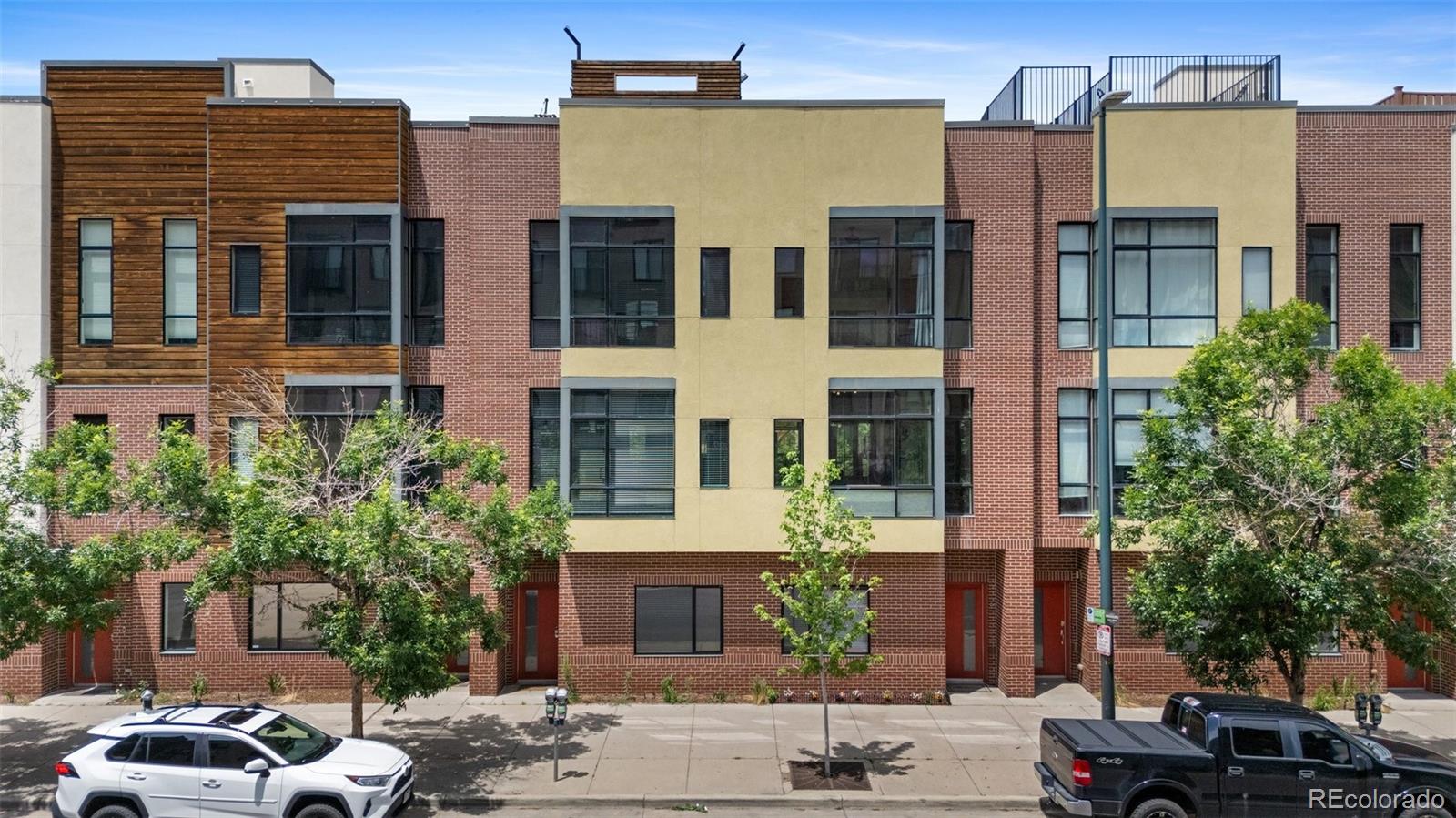
RiNo's housing is mostly condominiums, lofts, townhomes, and apartments. Converted industrial buildings offer exposed brick and concrete, large windows, and high ceilings, while newer buildings add contemporary layouts, rooftop decks, and amenities.
Rather than give you generic numbers, I prefer to provide accurate pricing based on current market conditions and the type of home you are considering. Whether you are looking for a loft, a modern condo, or a new townhome in RiNo, I can help you understand where it fits in the local market.
The building matters as much as the unit. Two homes with similar square footage can differ sharply in dues, amenities, reserves, noise, and parking depending on the building they are in.
Location within the district also affects daily life. A unit near the 38th and Blake station, one close to Larimer Street's restaurants, and one on a quieter block each offer a different mix of convenience, activity, and noise.
Age matters in a fast-changing district. Compare a conversion of an older industrial building with new construction, and ask how each handles insulation, windows, mechanical systems, and sound between units.
For budgeting beyond the purchase price, my Denver cost-of-living guide outlines expenses to consider alongside your mortgage, and my post on property taxes explains how tax bills can affect ownership costs.
Property Types and Pricing Considerations
- Converted industrial lofts: Offer brick, concrete, and high ceilings. Evaluate noise transmission, windows, mechanical systems, parking, and how the building has been maintained.
- Modern condominiums: Provide current layouts and amenities. Compare dues, services, reserves, and the quality of construction and management.
- New townhomes: Offer more private space and rooftop decks. Review stairs, parking, shared walls, and any association responsibilities.
- Live-work and flex spaces: May suit artists and entrepreneurs. Confirm zoning, permitted uses, and financing options before relying on a particular use.
- Smaller one-bedroom and studio units: May suit buyers seeking an accessible entry point. Review rental rules and lending requirements for the building.
For Buyers
Start by deciding what you want from RiNo: a historic loft, a modern building with amenities, a townhome with outdoor space, or a car-light lifestyle. Those priorities will help narrow your search.
Review the association's documents carefully. Budgets, reserves, special assessments, insurance coverage, pending litigation, rental restrictions, and the building's financial health can affect both ownership costs and future resale.
Ask about financing eligibility. Some buildings have limits on owner-occupancy ratios or other conditions that can affect which loan programs a buyer can use.
Confirm parking. Garage space may be deeded, assigned, leased, or unavailable, and it can add significant monthly costs.
Visit at different times of day. Nightlife, events, construction, and train activity can affect noise and traffic, and the experience varies by block and floor.
If you are choosing between a converted building and new construction, my guide to choosing between a new build and a classic Denver charmer can help you weigh the tradeoffs.
My Denver home buying guide explains how to evaluate homes and prepare for the purchase process.
If you are ready to narrow your options, complete my buyer questionnaire. Tell me your budget, timeline, and priorities, and we can build a focused RiNo search.
For Sellers
A RiNo sale should highlight what sets the unit and building apart. Exposed brick, ceiling height, light, outdoor space, parking, rooftop access, and building amenities all help buyers see its value.
Buyers compare buildings as well as units, so the presentation should explain the building's strengths, from its history to its management and amenities. Clear information about dues, what they cover, and any planned projects helps buyers move forward with confidence.
Location is part of the story. The district's restaurants, galleries, murals, and the A Line station help buyers picture daily life beyond the unit itself.
I can help you decide which preparation is worthwhile, whether that means paint, lighting, small repairs, or staging, and how to price and present the unit to the right buyers.
Gather available association documents, parking details, service records for the unit's systems, and information about recent improvements. Having them ready can shorten the time buyers need to review.
Marketing strategy matters for distinctive units. My comparison of Compass private exclusives, MLS exposure, and seller strategy explains how different approaches reach different buyers.
To begin exploring your home's value, use my home valuation tool.
My seller guide explains the sale process. If your move involves both selling and buying, explore the Smart Seller Game Plan.
Life in RiNo: Parks, Local Businesses and Community
Parks and Recreation
RiNo is more urban than green, but the river is close. The South Platte River Trail runs along the district's western edge and connects to a regional network for walking, running, and cycling, and Riverfront Park and Commons Park are within reach to the south.
Pedestrian and bike bridges at 35th and 38th Streets connect the east and west sides of the district across the river and rail corridor, which makes the trail easy to reach on foot.
Curtis Park, to the southeast, offers a historic neighborhood park with a playground and shaded lawns. Access depends on the address, so walk or ride the actual route.
Private amenities matter in many buildings. Rooftop decks, courtyards, and fitness rooms may substitute for a yard, so compare what each building provides.
Arts, Dining and Nightlife
Murals cover walls, alleys, and bridges throughout the district, and galleries, studios, and art walks keep the creative scene active. Festivals and programs such as CRUSH Walls bring artists from Denver and around the world.
Breweries, distilleries, coffee shops, and restaurants are concentrated along Larimer, Walnut, and Blake Streets and Brighton Boulevard. Denver Central Market, at 2669 Larimer Street, is a food hall and marketplace with local vendors and a bar.
Hours and offerings change often in a district that evolves this quickly. Explore in person to see what is open and what has changed.
For more on dining across the city, read my post on the best Denver neighborhoods for foodies, and my post on Five Points restaurants and Welton Street for the neighborhood next door.
Community and Everyday Convenience
RiNo has an energetic, creative feel. Artists, professionals, entrepreneurs, and long-time neighbors from the surrounding historic neighborhoods share the area, and the RiNo Art District organization supports artists and community events.
Daily convenience depends on the unit. A home near the 38th and Blake station, one close to nightlife on Larimer, and one on a quiet block each offer a different routine, from the amount of foot traffic to the sound of evening activity.
Everyday needs are increasingly close. Grocery stores, services, and offices are within a short walk, ride, or train trip, which supports a car-light lifestyle for many residents.
If you are moving from outside the area, my Denver relocation guide can help you compare RiNo with your broader work and lifestyle needs.
RiNo Architecture and Housing Character
RiNo's architecture is defined by its industrial past. Brick and concrete warehouses, factories, and rail-related buildings have been converted into lofts, galleries, breweries, and event spaces, and their scale gives the district its distinctive feel.
New construction adds contemporary condos, apartment buildings, and townhomes with large windows, rooftop decks, and current finishes. The contrast between old and new is part of the district's character.
RiNo does not have the Victorians and Tudors of older residential neighborhoods. Its appeal is bolder and more industrial, and it suits buyers who want modern design or loft living.
Conversions vary in quality. Look at how the building handles noise, insulation, windows, heating and cooling, and shared systems, since older structures present different challenges than new construction.
For buyers planning changes, confirm zoning, permits, and association rules for the specific address. Historic designation applies to selected properties rather than every older building.
Getting Around RiNo
RiNo's location just northeast of downtown provides connections to downtown, the airport, and the rest of the metro area by rail, bus, bike, and car. Many residents can reach restaurants, offices, and entertainment on foot.
The A Line stops at 38th and Blake Station, with service toward Union Station and Denver International Airport. Check current routes, frequencies, and travel times for the trips you would make.
I-25 and I-70 are close for drivers heading to the mountains or the suburbs. Actual travel times depend on the route, traffic, and time of day.
Bike lanes, river trails, and the pedestrian bridges support cycling and walking. For a comparison with other walkable neighborhoods, read my post on the most walkable Denver neighborhoods.
Parking is a major consideration. Confirm what a unit includes, what garage parking costs, and what is available for guests, and compare these costs when weighing different buildings.
RiNo Schools and Enrollment
RiNo is within Denver Public Schools, though the district has fewer schools inside its borders than surrounding neighborhoods. Nearby Cole, Curtis Park, and Five Points have schools, and families also look at charter and private options across the city.
School assignments and enrollment options should be checked using the specific property address. A nearby school's location does not automatically establish eligibility or guarantee admission.
School choice procedures, grade levels, program availability, and transportation may affect your options. Confirm current information directly with the district before making a purchase decision.
My guide to Denver metro school districts and school choice enrollment explains the questions to ask during your search.
RiNo Denver: Frequently Asked Questions
What makes RiNo unique?
It combines an industrial past, a large collection of murals and galleries, breweries and restaurants, and a rail station with airport service. Its creative identity grew from artists who moved into former warehouses.
Is RiNo an official Denver neighborhood?
RiNo is an arts district and a widely used name. It overlays parts of Five Points, Cole, Globeville, and Elyria-Swansea, so listings and city data may use those names.
What types of homes are in RiNo?
The district has converted industrial lofts, modern condominiums, new townhomes, live-work spaces, and apartments.
How much do homes cost in RiNo?
Pricing depends on the building, unit size, condition, parking, and location. Tell me what kind of home you are considering, and I can provide current pricing information tailored to your search.
How competitive is the RiNo real estate market?
The answer depends on the unit, the building, and the alternatives available at the time. I can help you understand current buyer activity, pricing, and how a particular property compares with its competition.
How do I get to the airport from RiNo?
The A Line stops at 38th and Blake Station and runs to Denver International Airport. Check current schedules and travel times before relying on a specific trip.
Is RiNo walkable?
Many addresses offer restaurants, galleries, and transit on foot or by bike. The experience still depends on the address, so walk the routes you would use and evaluate crossings, sidewalks, traffic, and distance.
What should I know before buying a condo or loft here?
Review the association's budget, reserves, special assessments, insurance, rental rules, and any loan eligibility restrictions. Also confirm parking, noise exposure, and how the building has been maintained.
What schools serve RiNo?
RiNo is within Denver Public Schools. Confirm current assignments, school choice procedures, program availability, and transportation directly with the district using the property's address.
How does RiNo compare with nearby neighborhoods?
RiNo offers an arts-district setting with loft and condo living. Explore my Cole guide, Curtis Park guide, and Five Points guide to compare surrounding locations and housing choices.
Work With Sallie Simmons in RiNo
I'm Sallie Simmons, REALTOR® with Compass and a member of the Nostalgic Homes team. Since 2014, I've helped buyers and sellers navigate Denver real estate with local knowledge, straightforward advice, and a strategy built around their goals.
I specialize in first-time buyers, luxury listings, relocation clients, and investment and house-hack opportunities, which makes RiNo a natural fit. For buyers, that means helping you compare buildings, read association documents, and understand what a loft or condo will actually cost to own. For sellers, it means presenting a unit's character, building, and location clearly to the right buyers.
For additional information, visit my real estate FAQ page, review my seller guide, or explore my Denver neighborhood guides.
Let's Get Started
Thinking about buying or selling in RiNo? Let's talk about your goals. Call or text me at 662.588.2420 or visit salliesimmons.com to connect.