

By Sallie Simmons · Denver REALTOR® at Compass
Last updated: November 3, 2026
Country Club combines distinctive residential architecture, established landscaping, and a central Denver location near Cherry Creek and other neighborhood destinations. Denver Squares, Colonial and Mediterranean Revival designs, Tudor-influenced homes, and later residences contribute to its recognizable streetscapes.
The neighborhood's identity is closely connected to the Denver Country Club, but the residential neighborhood and the private club are separate. Purchasing a nearby home does not include membership, golf privileges, or access to the club's facilities.
For buyers, the details include architectural character, condition, layout, outdoor space, and applicable historic requirements. For sellers, the opportunity is to explain the individual property's strengths rather than rely on its address alone. This guide covers what to consider when buying or selling in Country Club.
What Makes Country Club Special
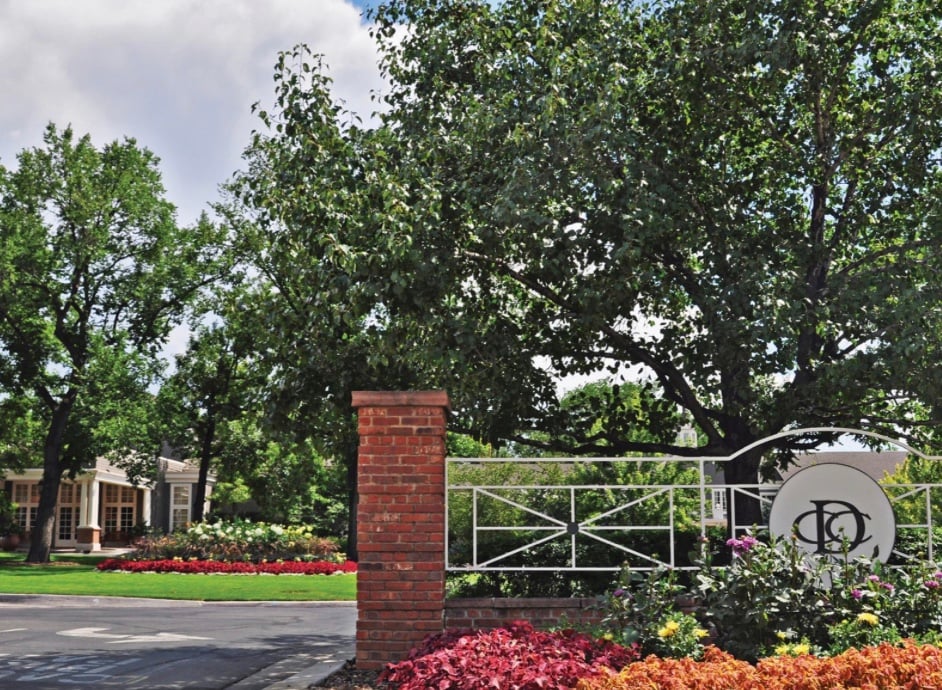
Country Club is an established central Denver residential neighborhood associated with the streets north of the Denver Country Club and near Cherry Creek. Its setting combines older homes, mature landscaping, and access to surrounding commercial and cultural destinations.
Much of the neighborhood's residential development occurred during the 1910s and 1920s. That period helped establish the architecture and lot patterns that remain important to its identity.
The Country Club Historic District was designated on August 8, 1990. Its design guidelines identify a period of significance from 1902 through 1945, reflecting the years that shaped much of the district's historic character.
The residential neighborhood, historic district, and private club should not be treated as identical boundaries or ownership arrangements. Verify the specific address when researching designation, zoning, property requirements, or market data.
The area's appeal comes from the relationship between individual homes and their setting. Architecture, building placement, landscaping, outdoor space, and the surrounding street can all affect the experience of living here.
If you're comparing nearby locations, explore my Alamo Placita neighborhood guide, Capitol Hill neighborhood guide, and Cherry Creek neighborhood guide.
My guide to choosing the right Denver neighborhood for your lifestyle can help you connect those comparisons with your everyday routine.
Country Club Real Estate: What to Expect in 2027
Country Club's housing market includes different home sizes, architectural styles, renovation histories, and lot arrangements. An original property, a carefully restored residence, and a substantially expanded home should not be evaluated as though they provide the same ownership experience.
Condition, above-grade living space, basement functionality, architectural details, renovation quality, construction, parking, outdoor areas, and location all influence value. Historic requirements can also affect a buyer's improvement plans.
For a current buying or selling decision, I review recent comparable sales and active competition rather than rely on an older neighborhood snapshot. Asking prices show what sellers hope to achieve, while completed sales show what buyers have paid.
The most useful comparisons account for what a buyer would realistically consider instead. A larger historic residence with substantial maintenance needs may compete differently from a smaller home with extensive completed improvements.
Property Types and Pricing Considerations
- Denver Squares and traditional residences: May offer substantial masonry, original woodwork, and established room arrangements. Evaluate architectural character alongside condition, system updates, storage, and daily functionality.
- Colonial and Mediterranean Revival homes: Contribute to the district's architectural identity. Review materials, roofs, windows, exterior details, and previous alterations as part of the property evaluation.
- Tudor-influenced and other historic-era homes: Can offer distinctive design and craftsmanship. Compare those features with layout, natural light, maintenance needs, and renovation history.
- Renovated and expanded properties: Require a review of construction quality, available permits, historic approvals where applicable, system improvements, and the integration of additions.
- Later-built residences: Should be evaluated individually for construction, design, condition, applicable district requirements, and ongoing maintenance rather than assumed to have fewer responsibilities.
Market pace varies with pricing, condition, property characteristics, and available alternatives. Some listings may attract prompt interest, while others require more time or a price adjustment. Scarcity and neighborhood recognition do not guarantee appreciation, multiple offers, or a particular sale timeline.
For Buyers
Start by deciding which parts of the ownership experience matter most. Original architecture, a move-in-ready interior, a particular floor plan, outdoor privacy, garage space, or proximity to nearby destinations may lead you toward different properties.
Older homes deserve careful inspection. Depending on the property and inspection findings, further evaluation may be appropriate for the foundation, sewer line, roof, masonry, electrical system, plumbing, heating and cooling, drainage, and previous additions.
For renovated properties, ask what was improved beyond visible finishes. A remodeled kitchen does not establish that major systems or structural components were addressed. Available permits, warranties, service records, and historic approvals help explain the scope of the work.
Consider the ongoing responsibilities of a larger or more complex home. Extensive landscaping, specialized materials, multiple mechanical systems, older windows, and additional outdoor features can influence maintenance and operating costs.
If you plan exterior alterations, an addition, or other substantial work, verify the property's designation and applicable requirements before purchasing. Historic review should be part of the planning process rather than a question left until after closing.
My Denver home buyer's guide explains financing, offers, inspections, appraisals, and closing. If you're relocating, my Colorado relocation guide can help you organize the broader search.
For Sellers
Selling a Country Club property starts with identifying its actual competition. Architecture, condition, size, layout, lot characteristics, and the quality of previous work can create meaningful differences between nearby homes.
The strongest marketing explains what makes the property distinctive and functional. Original details, well-integrated updates, natural light, private outdoor areas, garage parking, and documented improvements can all contribute to its position in the market.
Preparation should be selective. Maintenance, paint, lighting, landscaping, furniture placement, and targeted repairs may be more useful than a major renovation. The right priorities depend on the home, likely buyer questions, and current alternatives.
Gather available permits, historic approvals, warranties, service records, plans, and information about significant improvements. Clear documentation can help buyers understand additions, restoration work, system updates, and specialized features.
Professional photography and descriptions should distinguish actual property benefits from neighborhood associations. A nearby private club should not be presented as an amenity included with the home.
If your next move involves selling and buying, my Smart Seller Game Plan can help you think through timing. You can also contact me about pricing and preparing your Country Club home.
Life in Country Club: Parks, Local Businesses and Community
Parks and Recreation
The Denver Country Club is a recognizable part of the neighborhood's setting, but its grounds and facilities are private. The club is member-owned, membership is by invitation, and it is not open to the public.
Living nearby does not establish membership eligibility or access to golf, tennis, dining, or other club activities. Anyone considering membership should address those questions directly with the club.
The club's official history and membership information explains its ownership and membership structure.
For public recreation, nearby options include Cheesman Park, Alamo Placita Park, and the Cherry Creek corridor. Their convenience depends on the property's location and the route to the entrance or access point you plan to use.
My Cheesman Park guide and Alamo Placita guide provide additional context for those destinations and surrounding residential areas.
Shopping, Dining and Entertainment
Country Club is primarily residential rather than a concentrated shopping and nightlife district. Its location provides access to surrounding business areas while keeping many homes outside the busiest commercial blocks.
Cherry Creek offers restaurants, shopping, galleries, wellness businesses, and other services nearby. The practical connection depends on where the home is located and whether you prefer walking, cycling, or driving.
Business pockets near Sixth Avenue and other surrounding streets provide additional destinations. Downtown and nearby cultural districts expand the options for performances, museums, and other outings.
Use a neighborhood visit to test the places you would actually use. A home can be convenient for one dining district without placing every errand within the same comfortable walking distance.
If concentrated shopping and restaurant access is central to your search, compare my Cherry Creek neighborhood guide with Country Club's more residential setting.
Community and Everyday Convenience
Country Club's identity is shaped by its residential architecture, established landscaping, street patterns, and historic district. The immediate setting can vary between interior blocks and locations closer to busier roads.
Privacy should be evaluated at the property level. Lot configuration, neighboring windows, landscaping, outdoor areas, and street activity matter more than a general description of the neighborhood as secluded.
For everyday convenience, consider groceries, pharmacies, fitness, medical care, pet services, and other destinations that shape your week. A central location does not mean every trip will be equally practical without driving.
Parking and access deserve their own review. Confirm garage dimensions, driveway or alley arrangements, street restrictions, and any shared access rather than rely on conditions during a single showing.
Nearby construction may affect some properties. If quiet, sunlight, privacy, or an outlook is important, review the immediate surroundings and relevant proposals rather than assume neighboring sites will remain unchanged.
Country Club Architecture and Housing Character
Architecture is central to Country Club's identity. Denver's historic-district guidance describes two broad patterns: Denver Squares with elaborate revival detailing and eclectic revival homes, particularly Colonial and Mediterranean variations.
Tudor-influenced homes, bungalows, and later residences add to the mix. The result is more varied than a neighborhood composed entirely of large mansions.
Some homes retain original masonry, woodwork, windows, roof materials, and traditional room arrangements. Others have been expanded or extensively renovated, creating different relationships between historic features and modern living spaces.
Within the historic district, qualifying exterior work is subject to Landmark Preservation review. Depending on the proposal, that can affect additions, windows, roofs, exterior alterations, demolition, and other changes.
Historic designation does not mean a property can never change. It means the applicable standards and review process should be understood before plans and budgets are finalized.
Verify the specific property's designation, zoning, permit history, historic approvals, setbacks, easements, and recorded restrictions. Do not assume every home using the Country Club name has identical requirements.
Denver's Landmark Preservation design review guidance explains the review process.
Regardless of style, compare how the home functions. Room placement, storage, natural light, basement ceiling heights, stairs, laundry location, garage access, and outdoor privacy can make similarly sized homes feel very different.
Getting Around Country Club
Country Club's central location provides connections toward Cherry Creek, downtown, and other Denver destinations. Actual travel times depend on the address, route, traffic, destination, and time of day.
Test your regular commute during your normal travel window rather than rely on a general promise of reaching downtown in minutes.
For walking and cycling, evaluate actual connections. First Avenue, Sixth Avenue, University Boulevard, Downing Street, and other nearby roads create different crossing conditions from interior residential streets.
The Cherry Creek Trail may be useful for recreation or certain trips, but its convenience depends on the route from the property to an access point. Proximity to the creek does not establish direct access from every home.
Transit should be researched at the property level. Review current routes, stop locations, service frequency, transfers, and the walk between the home and the stop. Do not assume every address has convenient direct rail access.
If you want to use a car less often, evaluate your full weekly routine rather than only the route to a favorite restaurant or park.
Country Club Schools and Enrollment
Country Club is within Denver Public Schools. Current attendance assignments, enrollment zones, school choice procedures, and program availability should be verified for the property under consideration.
A nearby school's location does not automatically establish enrollment eligibility. Grade levels, application deadlines, transportation, and program requirements may affect the options available.
Private schools use separate admissions processes. Purchasing a home near a private school does not establish admission or priority unless the school explicitly states otherwise.
My guide to Denver metro school districts and school choice enrollment explains the questions to ask during your search. Confirm current public-school details directly with the district.
Country Club Denver: Frequently Asked Questions
What makes Country Club unique?
Country Club combines distinctive residential architecture, established landscaping, a locally designated historic district, and access to nearby central Denver destinations. Its identity is connected to the private Denver Country Club, but the neighborhood and club are separate.
What types of homes are in Country Club?
The neighborhood includes Denver Squares, Colonial and Mediterranean Revival homes, Tudor-influenced residences, bungalows, renovated and expanded properties, and later construction. Size, layout, condition, parking, and outdoor space vary.
How much do homes cost in Country Club in 2026?
A useful estimate requires current comparable sales for the relevant property type and location. An original home, a restored residence, and a substantially expanded property can have very different values. Check a report's date, boundaries, and methodology before applying its median to an individual home.
How competitive is the Country Club real estate market?
Competition depends on pricing, condition, property characteristics, location, and available alternatives. Some listings may attract prompt interest, while others take longer. Buyers and sellers should evaluate current comparable properties rather than assume scarcity guarantees a particular result.
Is Country Club walkable?
Some addresses offer convenient access to nearby destinations, but the experience depends on the property and your routine. Walk the actual routes and evaluate sidewalks, crossings, traffic, and distance.
What schools serve Country Club?
Country Club is within Denver Public Schools. Verify current attendance boundaries, enrollment zones, application procedures, and program availability for the specific property directly with the district. Private schools use separate admissions processes.
Does buying a Country Club home include Denver Country Club membership?
No. The Denver Country Club is a private, member-owned club, and membership is by invitation. Purchasing a neighborhood home does not include membership, golf privileges, or access to its facilities.
Is the Denver Country Club open to the public?
No. The club states that it is private and not open to the public. Do not treat its golf course or other facilities as public neighborhood recreation amenities.
When was the Country Club Historic District designated?
The local historic district was designated on August 8, 1990. Its design guidelines identify a period of significance from 1902 through 1945.
Can you renovate a home in the Country Club Historic District?
Renovations are possible, but qualifying exterior work is subject to applicable historic-review requirements. Verify the property's status and proposed work with Denver Landmark Preservation before finalizing plans or assuming an alteration will be approved.
Is Country Club a good investment?
That depends on the property, purchase price, condition, financing, ownership costs, permitted use, and your goals. No neighborhood can guarantee appreciation or rental returns. Evaluate the individual home and realistic expenses rather than rely on a general reputation for scarcity or prestige.
How does Country Club compare with nearby neighborhoods?
Country Club offers its own combination of historic architecture, residential streets, and central location. Alamo Placita, Capitol Hill, and Cherry Creek provide different settings and property choices. Explore my Alamo Placita guide, Capitol Hill guide, and Cherry Creek guide, then compare actual homes and daily routes.
Work With Sallie Simmons in Country Club
I'm Sallie Simmons, a REALTOR® with Compass and part of the Nostalgic Homes team. Since 2014, I've helped buyers and sellers navigate Denver real estate with straightforward advice, detailed property evaluation, and strategies built around their goals.
For Country Club buyers, that means looking beyond architectural appeal and neighborhood reputation to understand condition, layout, historic requirements, ownership costs, and comparable sales. For sellers, it means identifying the property's strengths and presenting them clearly against the right competition.
Whether you're considering an older home, comparing substantial renovations, relocating, or preparing to sell, my approach starts with understanding your priorities and explaining the tradeoffs honestly.
Explore my Denver Real Estate Resource Center for additional buying, selling, and relocation information, or browse my Denver neighborhood guides to compare locations.
Let's Get Started
Thinking about buying or selling in Country Club? Let's talk about your goals, timing, and the properties you want to compare. Call me at 662.588.2420 or contact me about buying or selling in Country Club.