




By Sallie Simmons · Denver REALTOR® at Compass
Last updated: November 3, 2026
Capitol Hill combines historic architecture, established apartment and condo buildings, neighborhood businesses, and a central Denver location. Known locally as Cap Hill, it offers an urban setting where older mansions, brick residences, and later residential buildings share the streets.
For buyers, the appeal can include architectural character, a smaller home with fewer exterior responsibilities, or access to restaurants, cultural destinations, and everyday services. For sellers, the opportunity is to explain what makes an individual property and building competitive.
Capitol Hill is not one uniform housing market. A condo in a converted mansion, a unit in a larger building, and a detached home provide different ownership experiences. This guide explains what to consider when buying or selling here.
What Makes Capitol Hill Special
Capitol Hill sits immediately east of the Colorado State Capitol and southeast of downtown Denver. Its central location connects residential streets with civic landmarks, commercial corridors, and nearby cultural destinations.
The neighborhood developed during Denver's late-19th- and early-20th-century growth. Larger homes built during that period remain part of its identity, although some were later converted into apartments, offices, or separately owned residences.
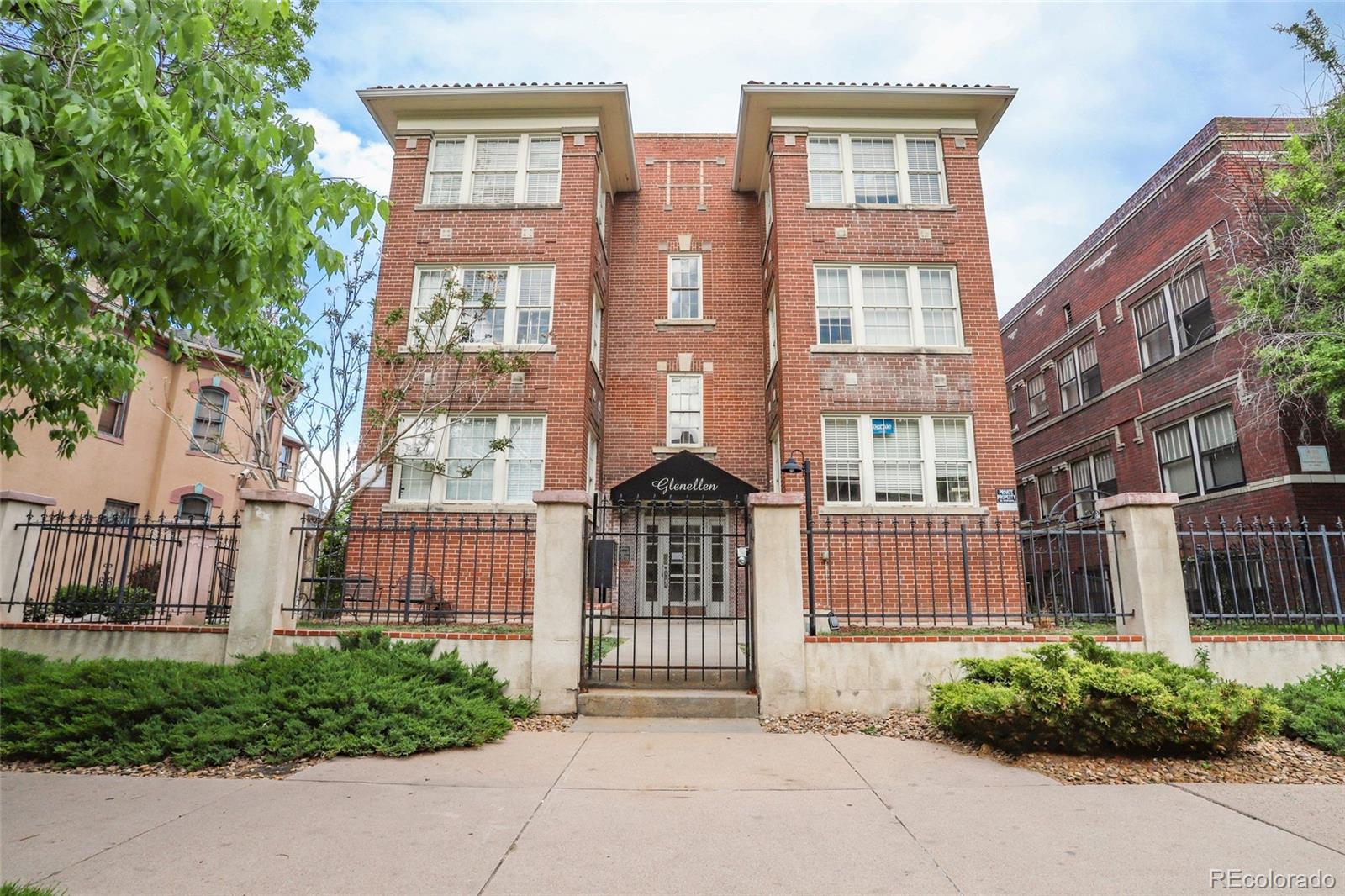
Later apartment and condo buildings added different architectural styles and housing arrangements. Today, that layered development is one of Capitol Hill's defining features: an ornate older residence may stand near a brick apartment building or a larger mid-century structure.
The Molly Brown House Museum provides a visible connection to the neighborhood's earlier residential history. The Colorado State Capitol adds another recognizable landmark at its western side.
Capitol Hill also has a long association with arts, music, independent businesses, and urban neighborhood life. Its appeal comes from that combination rather than a single destination or architectural style.
If you're comparing central Denver locations, explore my Cheesman Park neighborhood guide and Uptown neighborhood guide.
My guide to choosing the right Denver neighborhood for your lifestyle can help you connect those comparisons with your everyday routine.
Capitol Hill Real Estate: What to Expect in 2027
Capitol Hill's for-sale housing includes condos in different types of buildings, converted residences, attached properties, and detached homes. Rental apartments are also a substantial part of the neighborhood's residential setting, but an apartment building should not be assumed to contain individually owned units for purchase.
Values depend on more than interior square footage. Building condition, layout, floor level, natural light, parking, storage, outdoor access, association finances, and monthly ownership costs all contribute to the comparison.
For a current buying or selling decision, I review recent comparable sales and active competition rather than rely on an older neighborhood snapshot. Asking prices show what sellers hope to achieve, while completed sales show what buyers have paid.
Asking prices show what sellers hope to achieve, while completed sales show what buyers have paid. A lower asking price does not automatically mean a lower total cost when dues, insurance, assessments, and maintenance are considered.
Property Types and Pricing Considerations
- Condos in older buildings: May offer distinctive interiors, original details, or a smaller footprint. Evaluate the unit alongside the building's condition, association finances, insurance, and maintenance plans.
- Converted historic-era residences: Require a clear understanding of ownership boundaries, shared spaces, sound transmission, utilities, insurance, and maintenance responsibilities.
- Mid-century and larger condo buildings: May provide elevators, garages, or shared amenities. Compare those features with dues, reserves, planned work, and overall operating costs.
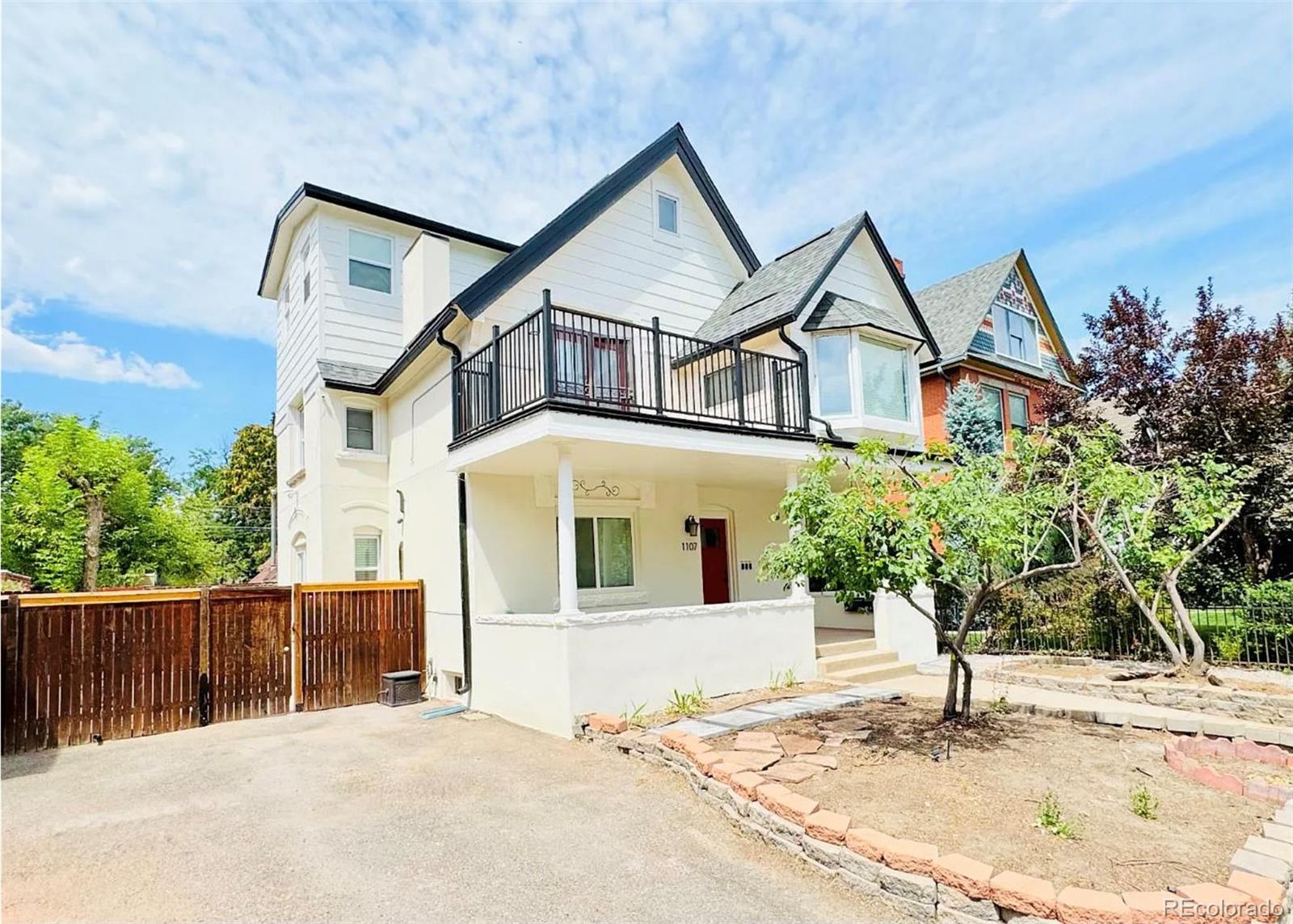
- Detached historic-era homes: Offer a different ownership experience. Review major systems, renovation history, layout, parking, outdoor space, and applicable property requirements.
- Newer or substantially renovated properties: Should be evaluated for construction quality, available permits, system improvements, ownership structure, and ongoing maintenance rather than finishes alone.
Market pace varies with pricing, condition, property type, building characteristics, financing availability, and current alternatives. Some listings may attract prompt interest, while others take longer or need a price adjustment. A central location does not guarantee multiple offers or a quick sale.
For Buyers
Start by deciding which ownership experience fits your plans. A smaller condo, a residence in a converted building, and a detached home offer different balances of privacy, maintenance, space, and monthly costs.
For condos, compare the complete monthly expense. Include financing, taxes, association dues, insurance, utilities not covered by the association, and any separate parking or storage charges.
Review the association documents early. Relevant information can include the budget, reserves, financial statements, insurance, meeting minutes, maintenance plans, rules, rental policies, and existing or proposed special assessments.
Older buildings deserve careful evaluation. Depending on the property, questions may involve roofs, masonry, windows, plumbing, electrical systems, heating, elevators, drainage, and the history of major repairs.
Clarify which components you maintain and which are the association's responsibility. Also coordinate with your lender early, because project-level concerns can affect condo financing even when you are financially qualified.
Spend time in and around the building. Sound, stairs, elevators, package handling, garage access, shared laundry, nearby activity, and parking can influence daily comfort as much as the unit's appearance.
My Denver home buyer's guide explains financing, offers, inspections, appraisals, and closing. If you're relocating, my Colorado relocation guide can help you organize the broader search.
For Sellers
Selling a Capitol Hill property starts with identifying its actual competition. A condo in a smaller historic-era building, a unit in a larger community, and a detached home may appeal to different buyers, even when they are nearby.
The strongest marketing explains the property's individual advantages. Natural light, original details, a functional layout, updated systems, parking, storage, outdoor space, and included utilities can all be relevant.
Preparation should make the space easy to understand. Cleaning, paint, lighting, furniture placement, maintenance, and targeted repairs may be more useful than a major renovation.
Organize information about improvements, appliances, parking rights, storage, association costs, included utilities, and maintenance responsibilities. Clear documentation helps answer questions from buyers and lenders.
For a condo, building-level information is part of the sale. A polished interior does not eliminate questions about reserves, insurance, assessments, or planned work, so address known issues accurately through the transaction process.
If your next move involves selling and buying, my Smart Seller Game Plan can help you think through timing. You can also contact me about pricing and preparing your Capitol Hill property.
Life in Capitol Hill: Parks, Local Businesses and Community
Parks and Recreation
Capitol Hill provides access to different central Denver outdoor spaces, but the most convenient destination depends on the property's location.
Cheesman Park lies to the east and offers open lawns, mature trees, paths, a playground, and its recognizable pavilion. It is a separate park and neighborhood rather than an amenity equally close to every Capitol Hill home.
My Cheesman Park guide provides a useful comparison if frequent park access is central to your search.
Civic Center Park provides another public-space destination near the neighborhood's western side. Its civic setting, events, and surrounding cultural institutions offer a different experience from a primarily residential park.
Walk the actual routes from the property. Crossings, sidewalks, traffic, distance, and current conditions affect whether an outdoor destination becomes part of your regular routine.
Shopping, Dining and Entertainment
Capitol Hill's businesses are part of its identity. Coffee shops, restaurants, bars, services, and cultural destinations are distributed through the neighborhood and along surrounding corridors.
Colfax Avenue adds dining, entertainment, and music destinations along the neighborhood's northern setting. Its activity differs from the smaller business pockets and residential streets farther south.
The Molly Brown House Museum adds a connection to Denver's residential history, while the Colorado State Capitol provides a nearby civic landmark. Check current visitor information, hours, tickets, and access requirements when planning an outing.
Living near entertainment can be appealing, but it can also introduce deliveries, evening noise, pedestrians, and parking demand. Visit at the times you expect to be home rather than judge the setting from one showing.
For another nearby mix of restaurants, businesses, and residential buildings, explore my Uptown neighborhood guide.
Community and Everyday Convenience
Capitol Hill combines residents, businesses, cultural destinations, offices, and visitors within a compact urban setting. That mix creates different rhythms between an interior residential block and a location near a busy corridor.
The building itself is an important part of the community experience. Management, shared entrances, package systems, resident rules, maintenance, and communication can shape everyday life.
Evaluate practical destinations alongside nightlife and culture. Groceries, pharmacies, fitness, medical care, pet services, and other regular errands may matter more to your routine than a general reputation for central convenience.
Parking deserves particular attention. Confirm whether a space is included, how the right to use it is documented, and whether separate charges or restrictions apply. Guest parking and street conditions should be checked separately.
Nearby construction and changing street conditions may affect some properties. If quiet, sunlight, privacy, or access is important, review the immediate surroundings and relevant projects.
Capitol Hill Architecture and Housing Character
Capitol Hill's architecture reflects different periods of Denver's growth. Larger historic-era homes, Victorian designs, Denver Squares, early apartment buildings, Art Deco influences, mid-century residences, and later construction contribute to a layered streetscape.
Some properties retain original masonry, woodwork, tall windows, and traditional room arrangements. Others have been divided into separate residences or substantially adapted over time.
Converted buildings deserve a clear understanding of what changed. Ownership boundaries, utility arrangements, sound transmission, shared systems, and responsibility for repairs may differ from a purpose-built condo building.
For any property, compare how the space functions. Storage, natural light, bedroom privacy, stairs, laundry access, heating and cooling, and the relationship to neighboring units can matter as much as architectural detail.
Historic designation applies to selected properties and districts rather than automatically to every older building. Verify the address before assuming additional review applies to exterior work, additions, or demolition.
For condo renovations, association approval and city permits may both be relevant. Flooring, plumbing, windows, structural work, contractor access, and construction hours can be subject to requirements.
Denver's Landmark Preservation design review guidance explains the process for designated properties and districts.
Getting Around Capitol Hill
Capitol Hill's central location can support walking, cycling, transit, and driving, but the most useful combination depends on the property and your destinations.
Walk the routes to the places you use regularly. A home convenient to restaurants may not provide the same ease of access to a particular workplace, grocery store, or transit connection.
Transit should be evaluated through the complete trip. Check current routes, stop locations, service frequency, transfers, and the connection at your destination. A central address does not automatically mean direct rail access.
Colfax Avenue is undergoing major transit and street changes associated with the East Colfax Bus Rapid Transit project. Review current access, stop locations, lane arrangements, and construction information before relying on an older route description.
Denver's Colfax BRT project page provides updates about the corridor.
For driving, test garage access and your regular commute. One-way streets, traffic, deliveries, events, construction, and parking at the destination can affect convenience.
If you want to use a car less often, evaluate your full weekly routine rather than only the walk to a favorite cafe or entertainment venue.
Capitol Hill Schools and Enrollment
Capitol Hill is within Denver Public Schools. Current attendance assignments, enrollment zones, school choice procedures, and program availability should be verified for the property under consideration.
A nearby school's location does not automatically establish enrollment eligibility. Grade levels, application deadlines, transportation, and program requirements may affect the options available.
My guide to Denver metro school districts and school choice enrollment explains the questions to ask during your search. Confirm current details directly with the district.
Capitol Hill Denver: Frequently Asked Questions
What makes Capitol Hill unique?
Capitol Hill combines historic architecture, varied residential buildings, neighborhood businesses, culture, and a central Denver location. Its layered development creates different settings within a compact urban area.
What types of homes are in Capitol Hill?
The neighborhood includes condos in older and later buildings, converted residences, attached properties, and detached historic-era homes. Rental apartments are also part of the neighborhood's housing mix. Ownership structure, condition, parking, amenities, and monthly costs vary considerably.
How much do homes cost in Capitol Hill in 2026?
A useful estimate requires current comparable sales for the relevant property and building type. A smaller condo, a converted residence, and a detached home can have very different values and ownership costs. Check a report's date, boundaries, and methodology before applying its median to an individual property.
How competitive is the Capitol Hill real estate market?
Competition depends on pricing, condition, property type, building characteristics, financing availability, ownership costs, and current alternatives. Some listings may attract prompt interest, while others take longer. Buyers and sellers should evaluate comparable properties rather than assume every home sells within a month.
Is Capitol Hill walkable?
Many addresses offer access to businesses and nearby destinations on foot, but the experience depends on the property and your routine. Walk the actual routes and evaluate crossings, sidewalks, traffic, distance, and current conditions.
What schools serve Capitol Hill?
Capitol Hill is within Denver Public Schools. Verify current attendance boundaries, enrollment zones, application procedures, and program availability for the specific property directly with the district.
What should I review before buying a Capitol Hill condo?
Review the unit, building condition, association finances, reserves, insurance, maintenance plans, rules, assessments, and financing eligibility. Parking, storage, sound, elevators, laundry, pet policies, and rental restrictions may also affect your decision.
Do Capitol Hill condos always include parking?
No. Confirm whether parking is included, how the right to use it is documented, whether separate charges apply, and what restrictions exist. Street parking and guest parking should be evaluated separately.
Are all older Capitol Hill buildings historically designated?
No. An older appearance does not automatically establish landmark status or review requirements. Confirm the property's actual designation, zoning, and applicable rules before planning changes.
What parks are near Capitol Hill?
Cheesman Park provides a recreation destination to the east, while Civic Center Park offers a different public-space setting near the neighborhood's western side. The most convenient option depends on the property's location and route.
Is Capitol Hill a good investment?
That depends on the property, purchase price, condition, financing, ownership costs, permitted use, and your goals. No neighborhood can guarantee appreciation or rental returns. For an investment purchase, review applicable requirements, ownership restrictions, realistic income, and likely expenses.
How does Capitol Hill compare with nearby neighborhoods?
Capitol Hill offers its own mix of architecture, residential buildings, businesses, and urban activity. Cheesman Park and Uptown provide different settings and property choices. Explore my Cheesman Park guide and Uptown guide, then compare actual homes and daily routes.
Work With Sallie Simmons in Capitol Hill
I'm Sallie Simmons, a REALTOR® with Compass and part of the Nostalgic Homes team. Since 2014, I've helped buyers and sellers navigate Denver real estate with straightforward advice, detailed property evaluation, and strategies built around their goals.
For Capitol Hill buyers, that means looking beyond architectural charm and the asking price to understand condition, layout, building responsibilities, ownership costs, and comparable sales. For sellers, it means identifying the property's strengths and presenting them clearly against the right competition.
Whether you're considering a condo, comparing older buildings, relocating, or preparing to sell, my approach starts with understanding your priorities and explaining the tradeoffs honestly.
Explore my Denver Real Estate Resource Center for additional buying, selling, and relocation information, or browse my Denver neighborhood guides to compare locations.
Let's Get Started
Thinking about buying or selling in Capitol Hill? Let's talk about your goals, timing, and the properties you want to compare. Call me at 662.588.2420 or contact me about buying or selling in Capitol Hill.