

By Sallie Simmons · Denver REALTOR® at Compass
Last updated: November 3, 2026
Curtis Park is often called Denver's oldest residential neighborhood, with blocks of Victorian homes, shaded streets, a historic park, and a location just northeast of downtown. Its mix of architecture, history, and nearby arts and dining districts makes it one of the most distinctive places to live in central Denver.
For buyers, the appeal may be an Italianate or Queen Anne home with real character, a walkable address near downtown, or a neighborhood with deep roots. For sellers, the opportunity is to show how a home's history, restoration, and setting fit buyers who want a central address with genuine historic charm.
This guide explains Curtis Park's history, housing, parks, transportation, and the details that matter when buying or selling here.
What Makes Curtis Park Special
Curtis Park takes its name from the park at its center, which was established in 1868 on land donated by developer Samuel S. Curtis and became Denver's first public park. The neighborhood grew around it during the city's first boom, between the arrival of the railroad in 1870 and the Silver Crash of 1893.
Horse-drawn streetcars began running along Champa Street in 1871, making Curtis Park one of Denver's first streetcar suburbs. Merchants, craftsmen, and immigrants of varied means lived side by side, which gave the area the economic and cultural mix that still shapes it.
Most of the surviving homes date from the 1880s and early 1890s. The architecture includes Italianate, Second Empire, Queen Anne, Carpenter Gothic, and Victorian Eclectic styles, and Curtis Park is known for having more Italianate homes than any other Denver neighborhood.
Over the decades, the neighborhood was home to African American, Latino, and Japanese American communities, and its history includes periods of decline followed by renewed interest from preservation-minded buyers. A large part of Curtis Park was listed on the National Register of Historic Places in 1975.
Curtis Park is a historic district rather than a separate official statistical neighborhood. Denver's neighborhood map includes it within the larger Five Points neighborhood, so listings and local conversations may use either name.
To compare Curtis Park with the other neighborhoods in the 80205 area, read my guide to buying a home in 80205: RiNo, Five Points, and Curtis Park.
For a broader comparison, read my Denver neighborhood guide organized around lifestyle, budget, and goals.
You can also explore my Cole neighborhood guide, Five Points neighborhood guide, and RiNo neighborhood guide to compare nearby options.
Curtis Park Real Estate: What to Expect in 2027
Curtis Park's housing includes restored Victorians, Italianate and Queen Anne homes, Denver Squares, brick rowhomes, and newer townhomes. Some have been carefully restored, while others have been adapted over the years or divided into multiple units.
Rather than give you generic numbers, I prefer to provide accurate pricing based on current market conditions and the type of home you are considering. Whether you are looking for a historic single-family home, a rowhome, or a newer townhome in Curtis Park, I can help you understand where it fits in the local market.
Architecture and condition make a real difference. A fully restored Victorian with original detail is a different purchase from a home that has been renovated for modern living or one that still needs significant work.
Location within the neighborhood also matters. A home facing the park, one on a quiet interior block, and one near the Welton Street corridor each offer a different daily routine, from the amount of foot traffic to access to nearby businesses.
Layout is another factor. Some historic homes have been converted to multiple units over the years, so confirm the legal configuration, permits, and any rental or occupancy rules for the specific property.
For budgeting beyond the purchase price, my Denver cost-of-living guide outlines expenses to consider alongside your mortgage.
Property Types and Pricing Considerations
- Italianate and Queen Anne Victorians: Offer ornate detail, tall ceilings, and historic presence. Evaluate original features, layout, and the condition of major systems.
- Denver Squares: Provide generous interior space and recognizable architecture. Consider room arrangement, storage, porches, and the quality of any renovation.
- Brick rowhomes: Combine historic character with a smaller footprint. Compare shared walls, outdoor space, parking, and any association or shared-maintenance arrangements.
- Newer townhomes and infill: Offer contemporary layouts and lower maintenance. Compare stairs, parking, private outdoor space, and how the design fits the historic streetscape.
- Homes with renovation potential: May suit buyers who want to restore or personalize over time. The purchase budget should leave room for the work needed to make the home function as intended.
For Buyers
Start by deciding what you want from a historic home: preserved details, a finished restoration, or a project you can shape over time. Those priorities will help narrow your search.
Older homes deserve a close look beyond their appearance. Inspection findings and available records can help clarify the foundation, roof, sewer line, electrical system, plumbing, heating and cooling, and previous alterations.
Several of my posts cover the questions that come up with older homes, including buying a house with an old roof, the Denver sewer scope, and buying with an old furnace or AC.
Check the historic status early. Parts of the neighborhood sit in the Curtis Park Historic District, which is listed on the National Register, and nearby areas include locally designated Denver landmark districts such as Clements. A National Register listing recognizes a district's significance, while local designation can add design review, so confirm what applies to the address before planning exterior work.
If you are choosing between an older home and a newer one, my guide to choosing between a new build and a classic Denver charmer can help you weigh the tradeoffs.
If affordability is a priority, read my post on the best neighborhoods for first-time buyers under $600K in the Denver metro.
My Denver home buying guide explains how to evaluate homes and prepare for the purchase process.
If you are ready to narrow your options, complete my buyer questionnaire. Tell me your budget, timeline, and priorities, and we can build a focused Curtis Park search.
For Sellers
A Curtis Park sale should highlight what sets the home apart. Original details, careful restoration, natural light, a useful layout, and a welcoming yard or porch can all help buyers see its value.
For historic homes, the presentation should explain what was preserved and what was improved. Documentation of major work, such as systems, roofing, foundation repairs, sewer line work, or additions, helps buyers understand the home's condition.
Neighborhood context strengthens the story. The park, the history, and the closeness to downtown, Five Points, and RiNo help buyers picture daily life beyond the house itself.
I can help you decide which preparation is worthwhile, whether that means maintenance, paint, lighting, landscaping, or staging, and how to price and present the property to the right buyers.
Gather available permits, warranties, service records, and information about significant improvements. If your home is in a historic district, include any documentation related to approvals or past exterior work.
To begin exploring your home's value, use my home valuation tool.
My seller guide explains the sale process. If your move involves both selling and buying, explore the Smart Seller Game Plan.
Life in Curtis Park: Parks, Local Businesses and Community
Parks and Recreation
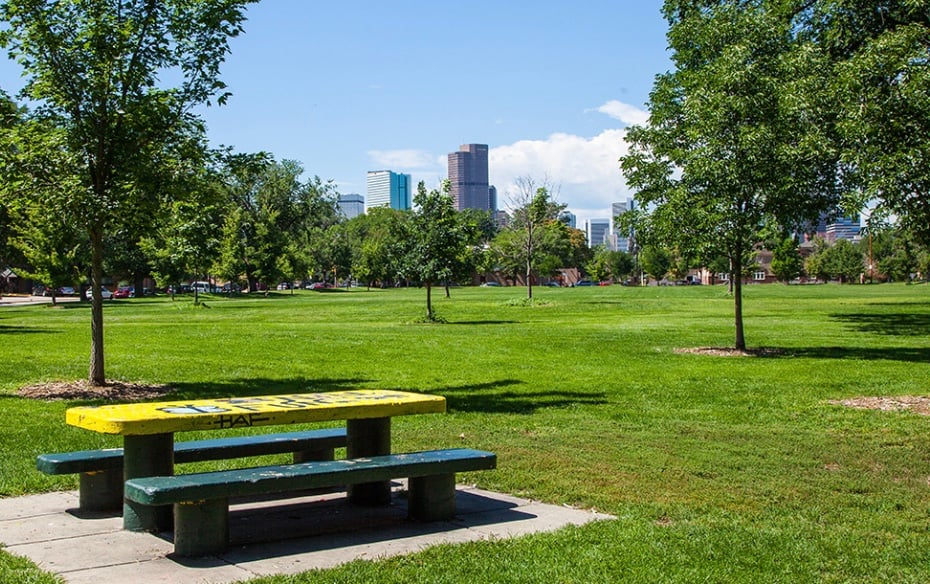
Mestizo-Curtis Park is the neighborhood's anchor. As Denver's first public park, it offers shaded lawns, a playground, picnic areas, and a long history as a gathering place for the surrounding blocks.
The park's outdoor pool, at 3181 Champa Street, is being redesigned by Denver Parks & Recreation. Plans discussed with the community include a 25-meter lap pool and a leisure pool, and the city has been gathering input on shade and green space. Check the city's project page for the current schedule and opening status.
City Park and the South Platte River Trail are also reachable for longer outings. Access depends on the address, so walk or ride the actual route from a property to the destination you would use.
Many Curtis Park homes also have porches, small yards, and mature street trees. The relationship between the house and the outdoor space determines how much of it you can use.
Shopping, Dining and Entertainment
Curtis Park is mostly residential, but it sits close to Five Points, RiNo, and downtown, which puts restaurants, breweries, coffee shops, galleries, and music venues within walking or biking distance.
Welton Street, a historic commercial corridor, runs through the area and connects Curtis Park with Five Points. For more on what is changing nearby, read my post on Five Points restaurants and Welton Street.
The most convenient district depends on your starting point and the route you take. Cultural events and neighborhood gatherings add to the area's character throughout the year.
For more on dining across the city, read my post on the best Denver neighborhoods for foodies. Explore my Five Points guide and RiNo guide for more about the surrounding area.
Community and Everyday Convenience
Curtis Park has a strong sense of place. Long-time residents, preservation-minded owners, and newer arrivals share blocks of historic homes, and the neighborhood's history is part of everyday conversation.
Daily convenience depends on the property. A home facing the park, one near Welton Street, and one on a quiet interior block each offer a different routine, from foot traffic to nearby businesses.
Garage access, parking, storage, and yard maintenance are also practical considerations, particularly when comparing an original home with a renovated one.
If you are moving from outside the area, my Denver relocation guide can help you compare Curtis Park with your broader work and lifestyle needs.
Curtis Park Architecture and Housing Character
Curtis Park is a showcase of Victorian architecture. Italianate, Second Empire, Queen Anne, Carpenter Gothic, and Victorian Eclectic homes line its streets, many with ornate trim, tall windows, and decorative porches.
Many homes were built by individuals without formal architectural training, which gives the neighborhood its eclectic character. Queen Anne influences are common, and the concentration of Italianate homes is unusual in Denver.
Many properties have been carefully restored, while others have been adapted over time. That range gives buyers a choice between preserving character and buying a home with completed work.
Newer townhomes and infill add variety. Look at how new construction relates to the surrounding streetscape and whether the design fits the way you want to live.
For buyers planning changes, historic designation applies to selected properties and districts rather than every older home. Confirm the address's status before planning exterior alterations, additions, or other work, and review any applicable permits.
Getting Around Curtis Park
Curtis Park's location northeast of downtown provides connections to downtown, Five Points, RiNo, and the airport by rail, bus, bike, and car. The best option depends on the property and where you are going.
Light rail stations along Welton Street and near 30th and Downing serve the area, and the original streetcar route along Champa Street shaped the neighborhood's layout. Check the route from the property, current service, and any transfers.
I-25, I-70, and nearby arterials provide road connections toward the airport and the mountains. Actual travel times depend on the route, traffic, and time of day.
For walking and cycling, the streets and crossings between a property and your destination are part of the complete route. For a comparison with other walkable neighborhoods, read my post on the most walkable Denver neighborhoods.
Parking is another practical consideration. Historic homes may have limited off-street parking, so confirm what a property includes and evaluate guest parking separately.
Curtis Park Schools and Enrollment
Curtis Park is within Denver Public Schools. School assignments and enrollment options should be checked using the specific property address.
Charter and private options elsewhere in Denver add other choices. A nearby school's location does not automatically establish eligibility or guarantee admission.
School choice procedures, grade levels, program availability, and transportation may affect your options. Confirm current information directly with the district before making a purchase decision.
My guide to Denver metro school districts and school choice enrollment explains the questions to ask during your search.
Curtis Park Denver: Frequently Asked Questions
What makes Curtis Park unique?
It is widely regarded as Denver's oldest residential neighborhood, with a historic park, Victorian homes, and a location just northeast of downtown. Its Italianate and Queen Anne architecture is a defining feature.
What types of homes are in Curtis Park?
The neighborhood includes Italianate and Queen Anne Victorians, Denver Squares, brick rowhomes, and newer townhomes and infill. Condition varies from original to extensively restored.
How much do homes cost in Curtis Park?
Pricing depends on the property's type, size, condition, restoration, and location. Tell me what kind of home you are considering, and I can provide current pricing information tailored to your search.
How competitive is the Curtis Park real estate market?
The answer depends on the home and the alternatives available at the time. I can help you understand current buyer activity, pricing, and how a particular property compares with its competition.
Is Curtis Park its own neighborhood?
Curtis Park is a historic district and a widely used name, but Denver's official neighborhood map places it within Five Points. You may see both names in listings.
What is Mestizo-Curtis Park?
It is the neighborhood's namesake park, originally established as Curtis Park in 1868. Its outdoor pool is being redesigned, so check the city's project page for current information.
Is Curtis Park a historic district?
Parts of the neighborhood are in a National Register historic district, and nearby areas include locally designated landmark districts. Confirm the status and any design review for a specific address before planning exterior work.
Is Curtis Park walkable?
Many addresses offer access to the park, restaurants, transit, and downtown on foot or by bike, but the experience depends on the property and your routine. Walk the actual routes you would use and evaluate crossings, sidewalks, traffic, and distance.
What schools serve Curtis Park?
Curtis Park is within Denver Public Schools. Confirm current assignments, school choice procedures, program availability, and transportation directly with the district using the property's address.
How does Curtis Park compare with nearby neighborhoods?
Curtis Park offers its own combination of Victorian architecture, a historic park, and a quieter residential feel. Explore my Cole guide, Five Points guide, and RiNo guide to compare surrounding locations and housing choices.
Work With Sallie Simmons in Curtis Park
I'm Sallie Simmons, REALTOR® with Compass and a member of the Nostalgic Homes team. Since 2014, I've helped buyers and sellers navigate Denver real estate with local knowledge, straightforward advice, and a strategy built around their goals.
I specialize in historic and mid-century homes, first-time buyers, and house-hack opportunities, which makes Curtis Park a natural fit. For buyers, that means helping you understand a home's condition, character, and any historic considerations, and compare original and restored properties. For sellers, it means presenting a home's history, restoration, and strengths clearly to the right buyers.
For additional information, visit my real estate FAQ page, review my seller guide, or explore my Denver neighborhood guides.
Let's Get Started
Thinking about buying or selling in Curtis Park? Let's talk about your goals. Call or text me at 662.588.2420 or visit salliesimmons.com to connect.
Explore Nearby Neighborhoods
Cole | Five Points | RiNo