


By Sallie Simmons · Denver REALTOR® at Compass
Last updated: November 3, 2026
Platt Park combines established residential streets, varied architecture, and a neighborhood business district along South Pearl Street. Older cottages, bungalows, renovated properties, and newer homes give buyers several ways to live near local restaurants, shops, and outdoor destinations.
Its appeal comes from the relationship between those homes and the surrounding neighborhood. A walk to coffee, a visit to the seasonal farmers market, or time in the namesake park can become part of an ordinary week rather than a separate outing.
The right fit still depends on the property. Location, condition, layout, parking, outdoor space, and maintenance responsibilities can differ substantially from one home to another. This guide explains what to consider when buying or selling in Platt Park.
What Makes Platt Park Special
Platt Park is a south Denver neighborhood between Broadway and Downing Street, extending north from Evans Avenue toward Mississippi Avenue and I-25. Its location connects residential streets with South Pearl Street, nearby transit, and other south Denver destinations.
The neighborhood has roots in the former Town of South Denver, so its history begins earlier than a simple early-1900s development date suggests. The namesake park honors James H. Platt, an early South Denver leader and founder of the Platt Paper Company.
Housing developed over time rather than as a uniform subdivision. Older cottages, bungalows, Victorian-era residences, later homes, and contemporary infill create different streetscapes throughout the area.
South Pearl Street is one of the neighborhood's defining features. Its independent businesses, restaurants, coffee shops, and seasonal events bring activity into a residential setting without creating the same experience as a downtown commercial district.
That relationship is a major part of Platt Park's appeal. Buyers can compare homes near the businesses with properties farther into the surrounding residential streets, depending on how much activity they want close to home.
If you're comparing nearby locations, explore my Rosedale and Harvard Gulch neighborhood guide, University neighborhood guide, and Washington Park neighborhood guide.
My guide to choosing the right Denver neighborhood for your lifestyle can help you connect those comparisons with your everyday routine.
Platt Park Real Estate: What to Expect in 2027
Platt Park's housing market includes smaller older homes, renovated and expanded properties, attached residences, and newer construction. Those are different purchases with different maintenance needs, ownership costs, and buyer expectations.
Condition, above-grade living space, basement functionality, lot characteristics, renovation quality, parking, outdoor areas, and location all influence value. A home's relationship to South Pearl Street, transit, and nearby roads can also affect its appeal.
For a current buying or selling decision, I review recent comparable sales and active competition rather than rely on an older neighborhood snapshot. Asking prices show what sellers hope to achieve, while completed sales show what buyers have paid.
Proximity to a popular business district may matter to a particular buyer, but it does not establish an automatic premium. The home itself, its immediate surroundings, and the alternatives available still need to be evaluated.
Property Types and Pricing Considerations
- Older cottages and bungalows: Appeal to buyers who value established character or a more manageable footprint. Evaluate major systems, usable living space, storage, basement condition, and future improvement costs.
- Victorian-era and other traditional homes: May offer distinctive masonry, woodwork, porches, and room arrangements. Compare architectural details alongside condition, functionality, and renovation history.
- Renovated and expanded properties: Require a review of construction quality, available permits, system improvements, structural changes, and the integration of additions.
- Duplexes and townhomes: Offer different combinations of interior space, parking, and exterior upkeep. Confirm ownership structure, shared-wall agreements, insurance, maintenance responsibilities, and any association requirements.
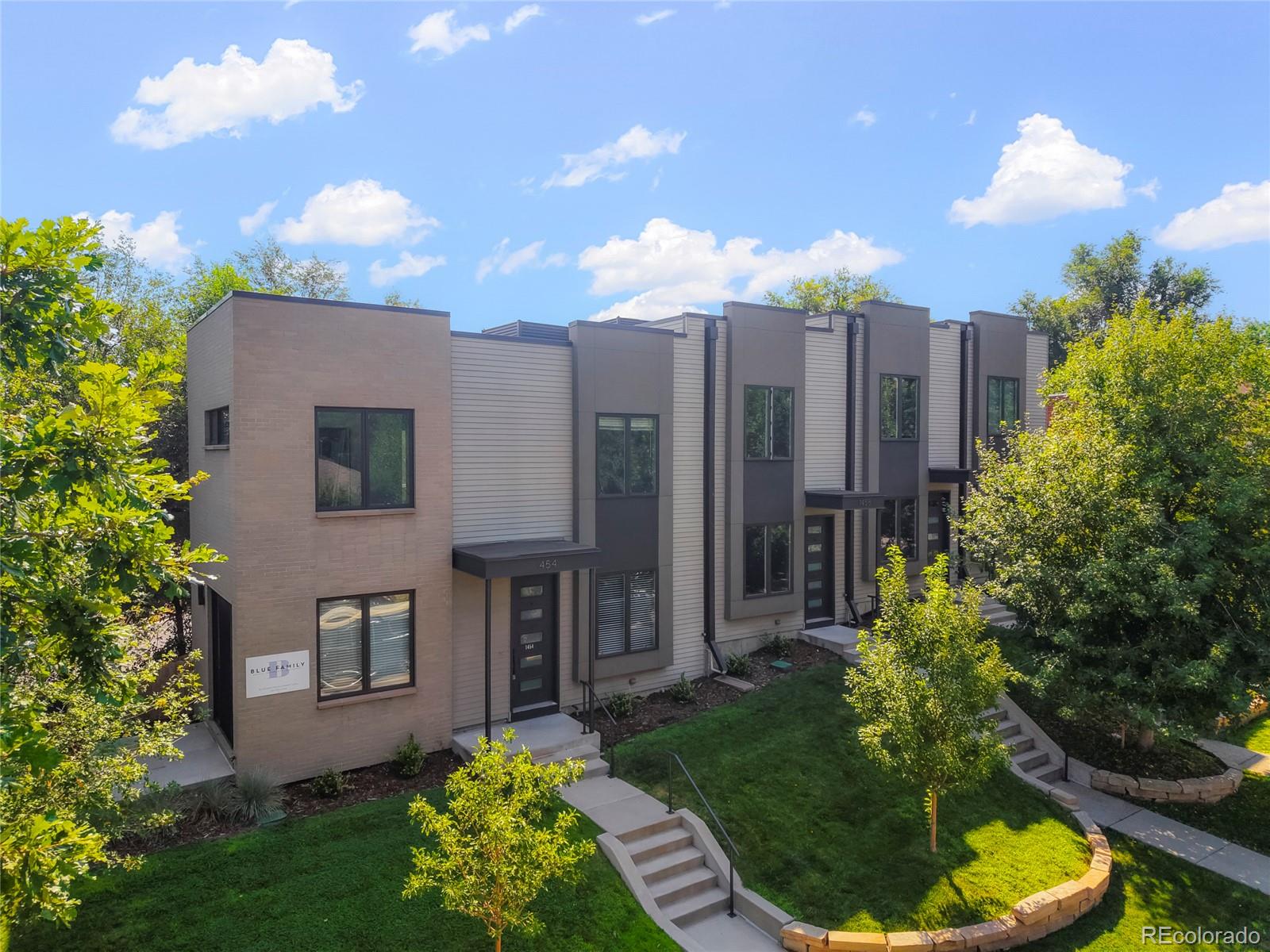
- Newer custom homes: May provide contemporary layouts and systems. Compare design, construction, outdoor privacy, lot use, and ongoing maintenance rather than assuming newer means maintenance-free.
Market pace varies with pricing, condition, property type, location, and available alternatives. Some listings may attract prompt interest, while others need more time or a price adjustment. Buyers and sellers should not assume every updated home receives multiple offers or sells within a month.
For Buyers
Start by deciding which Platt Park setting fits your plans. A home close to South Pearl Street, a property near the park, and a house farther into an interior residential block can offer different advantages and tradeoffs.
Visit at different times of day. Restaurant activity, deliveries, street parking, market days, traffic, and highway noise can affect some addresses more than others. Spend time outside the home as well as inside it.
Older homes deserve careful inspection. Depending on the property and inspection findings, additional evaluation may be appropriate for the sewer line, foundation, roof, electrical system, plumbing, heating and cooling, drainage, and previous additions.
For renovated properties, ask what was improved beyond visible finishes. A remodeled kitchen does not establish that the electrical service, sewer line, roof, or structural components were addressed. Available permits, warranties, and service records help explain the scope of the work.
Look closely at usable space. Basement ceiling heights, bedroom placement, bathroom access, stairs, storage, laundry location, and garage dimensions can affect daily comfort more than the total square-footage figure alone.
My Denver home buyer's guide explains financing, offers, inspections, appraisals, and closing. If you're relocating, my Colorado relocation guide can help you organize the broader search.
For Sellers
Selling a Platt Park property starts with identifying its actual competition. An original cottage, an expanded bungalow, and a newer duplex may appeal to different buyers, even when they are close to the same businesses.
The strongest marketing explains the home's individual advantages. Original details, a practical layout, maintained systems, garage parking, outdoor areas, and documented improvements can all contribute to its position in the market.
Preparation should be selective. Maintenance, cleaning, paint, lighting, landscaping, and a clearer presentation of existing rooms may be more useful than a major renovation. The right priorities depend on condition, likely buyer questions, and current alternatives.
Gather available permits, warranties, service records, and information about significant work. For attached homes, organize documents explaining shared responsibilities, parking rights, insurance, and any association obligations.
If your next move involves selling and buying, my Smart Seller Game Plan can help you think through timing. You can also contact me about pricing and preparing your Platt Park home.
Life in Platt Park: Parks, Local Businesses and Community
Parks and Recreation
The neighborhood takes its name from the approximately 4.4-acre Platt Park near East Iowa Avenue and South Logan Street. Its green space provides a local place to spend time outdoors within the surrounding residential neighborhood.
The adjacent library, recreation center, and historic Fleming Mansion contribute to the area's civic setting. Check current programming and facility details rather than assume every service or activity is available at all times.
Washington Park provides a larger outdoor destination nearby, with lakes, gardens, paths, open lawns, and recreation facilities. Its convenience depends on the property's location and the route you expect to use.
Harvard Gulch Park and its golf course offer another recreation option in neighboring Rosedale. These should be distinguished from the smaller park within Platt Park itself.
If regular access to either larger park is central to your search, explore my Washington Park guide and Rosedale and Harvard Gulch guide, then compare actual connections from the homes on your shortlist.
Shopping, Dining and Entertainment
South Pearl Street is central to Platt Park's identity. Its mix of independent shops, restaurants, coffee shops, and other businesses creates a neighborhood destination residents can use regularly.
The business corridor extends from Buchtel Boulevard toward Evans Avenue, with different destinations along the way. The route from a particular home matters more than a general claim that everything is nearby.
The seasonal South Pearl Street Farmers Market adds another reason to visit. It operates on the 1400 and 1500 blocks of South Pearl Street, bringing vendors and activity into the neighborhood on scheduled market days.
Market dates, hours, rules, and other events can change. Use the official farmers market page for current information and the South Pearl Street merchant map to explore businesses.
Living close to the corridor can be appealing, while another buyer may prefer a home farther from restaurant traffic, deliveries, and event-day parking demand. Neither preference is right for everyone.
Community and Everyday Convenience
Platt Park's appeal comes partly from the relationship between its residential streets and local destinations. Depending on the address, a neighborhood walk can include coffee, a meal, a shop, or time in the park.
Seasonal events and local businesses provide opportunities to spend time in the community, but the practical details still matter. Check groceries, pharmacies, fitness, medical care, pet services, and the errands that shape your week.
A home convenient to South Pearl Street may not be equally convenient to every other destination. Walk or drive the routes you expect to use before deciding how well the location fits.
Parking deserves its own review. Confirm garage dimensions, alley access, driveway arrangements, street restrictions, and any assigned spaces. Conditions during a quiet showing may differ from a busy market morning or evening.
If a view, sunlight, or privacy is important, investigate the immediate surroundings and relevant development proposals. A current open space or smaller neighboring building should not be assumed to remain unchanged.
Platt Park Architecture and Housing Character
Platt Park's housing reflects different periods of south Denver's growth. Cottages, bungalow-style homes, Victorian-era residences, ranches, and other traditional designs share the neighborhood with renovated properties and newer construction.
Some homes retain original masonry, woodwork, porches, and distinctive windows. Others have been expanded or substantially updated, creating differences in both appearance and functionality.
The neighborhood's variety means buyers should avoid assuming that every older property has the same maintenance needs or every newer home offers the same quality. Construction, previous work, and the way the space functions deserve individual review.
For attached residences, clarify what is shared. A property without conventional association dues may still have party-wall agreements, shared insurance requirements, or maintenance obligations affecting both owners.
If renovation or redevelopment is part of your plan, verify zoning, setbacks, easements, permit history, and applicable restrictions before purchasing. A larger building nearby does not establish what is permitted on another lot.
An older appearance also does not automatically establish historic designation. If the property is designated or within a local historic district, additional review requirements may apply to qualifying work.
Getting Around Platt Park
Platt Park's location provides access to south Denver streets, nearby rail service, and I-25 connections. The most useful combination of walking, cycling, transit, and driving depends on the address and your destinations.
Louisiana–Pearl Station is an important transit reference point near the neighborhood's northern side. Its convenience depends on the route from the home, the distance, crossings, and the complete trip to your destination.
The station does not have an RTD Park-n-Ride. Buyers planning to use rail should not assume they can drive to the station and use dedicated RTD parking.
Check RTD's Louisiana–Pearl Station information for current facilities and service details, then review the relevant schedules and connections.
For driving, test your regular commute during your normal travel window rather than rely on a blanket promise of reaching downtown in less than 15 minutes. Traffic, route, parking at the destination, and construction can affect the trip.
For walking and cycling, evaluate the actual routes to your regular destinations. A home can offer convenient access to neighborhood restaurants without providing the same ease of access to every workplace, park, or grocery store.
Platt Park Schools and Enrollment
Platt Park is within Denver Public Schools. Current attendance assignments, enrollment zones, school choice procedures, and program availability should be verified for the property under consideration.
A nearby school's location does not automatically establish enrollment eligibility. Grade levels, application deadlines, transportation, and program requirements may affect the options available.
My guide to Denver metro school districts and school choice enrollment explains the questions to ask during your search. Confirm current details directly with the district.
Platt Park Denver: Frequently Asked Questions
What makes Platt Park unique?
Platt Park combines established residential streets, varied architecture, a neighborhood park, and the South Pearl Street business district. Its appeal comes from the relationship between individual homes and the destinations residents can use regularly.
What types of homes are in Platt Park?
The neighborhood includes cottages, bungalows, Victorian-era homes, ranches, renovated and expanded properties, duplexes, townhomes, and newer custom construction. Condition, layout, parking, outdoor space, and ownership responsibilities vary considerably.
How much do homes cost in Platt Park in 2026?
A useful estimate requires current comparable sales for the relevant property type and location. An original smaller home, an expanded renovation, and a newer custom residence can have very different values. Check a report's date, boundaries, and methodology before applying its median to an individual property.
How competitive is the Platt Park real estate market?
Competition depends on pricing, condition, property type, location, and available alternatives. Some listings may attract prompt interest, while others take longer. Buyers and sellers should evaluate current comparable homes rather than assume every updated property receives multiple offers.
Is Platt Park walkable?
Many addresses offer convenient access to neighborhood businesses and local destinations, particularly around South Pearl Street. The experience depends on the property and your routine. Walk the actual routes and evaluate crossings, sidewalks, traffic, and distance.
What schools serve Platt Park?
Platt Park is within Denver Public Schools. Verify current attendance boundaries, enrollment zones, application procedures, and program availability for the specific property directly with the district.
How large is the park in Platt Park?
The neighborhood's namesake park is approximately 4.4 acres near East Iowa Avenue and South Logan Street. It is a smaller neighborhood green space, distinct from nearby Washington Park and Harvard Gulch Park.
Where is the South Pearl Street Farmers Market?
The seasonal market operates on the 1400 and 1500 blocks of South Pearl Street. Check the official market page for current dates, hours, and rules.
Does Platt Park have light rail access?
Louisiana–Pearl Station is near the neighborhood's northern side. Its practical convenience depends on the route from the property and the complete trip to your destination. The station does not have an RTD Park-n-Ride.
Does living near South Pearl Street guarantee a higher resale value?
No automatic premium applies to every property. Proximity may appeal to buyers, but condition, layout, privacy, parking, street activity, and current competition also affect value. Compare relevant sales rather than assign a fixed premium based on location alone.
Is Platt Park a good investment?
That depends on the property, purchase price, condition, financing, ownership costs, permitted use, and your goals. No neighborhood can guarantee appreciation or rental returns. Evaluate the specific home and realistic expenses rather than rely on a general reputation for demand.
How does Platt Park compare with nearby neighborhoods?
Platt Park offers its own combination of housing, South Pearl Street businesses, and local amenities. Rosedale, University, and Washington Park provide different settings and recreation connections. Explore my Rosedale guide, University guide, and Washington Park guide, then compare actual homes and daily routes.
Work With Sallie Simmons in Platt Park
I'm Sallie Simmons, a REALTOR® with Compass and part of the Nostalgic Homes team. Since 2014, I've helped buyers and sellers navigate Denver real estate with straightforward advice, detailed property evaluation, and strategies built around their goals.
For Platt Park buyers, that means looking beyond architectural charm and proximity to South Pearl Street to understand condition, layout, location, ownership costs, and comparable sales. For sellers, it means identifying the property's strengths and presenting them clearly against the right competition.
Whether you're considering a bungalow, comparing newer construction, relocating, or preparing to sell, my approach starts with understanding your priorities and explaining the tradeoffs honestly.
Explore my Denver Real Estate Resource Center for additional buying, selling, and relocation information, or browse my Denver neighborhood guides to compare locations.
Let's Get Started
Thinking about buying or selling in Platt Park? Let's talk about your goals, timing, and the properties you want to compare. Call me at 662.588.2420 or contact me about buying or selling in Platt Park.