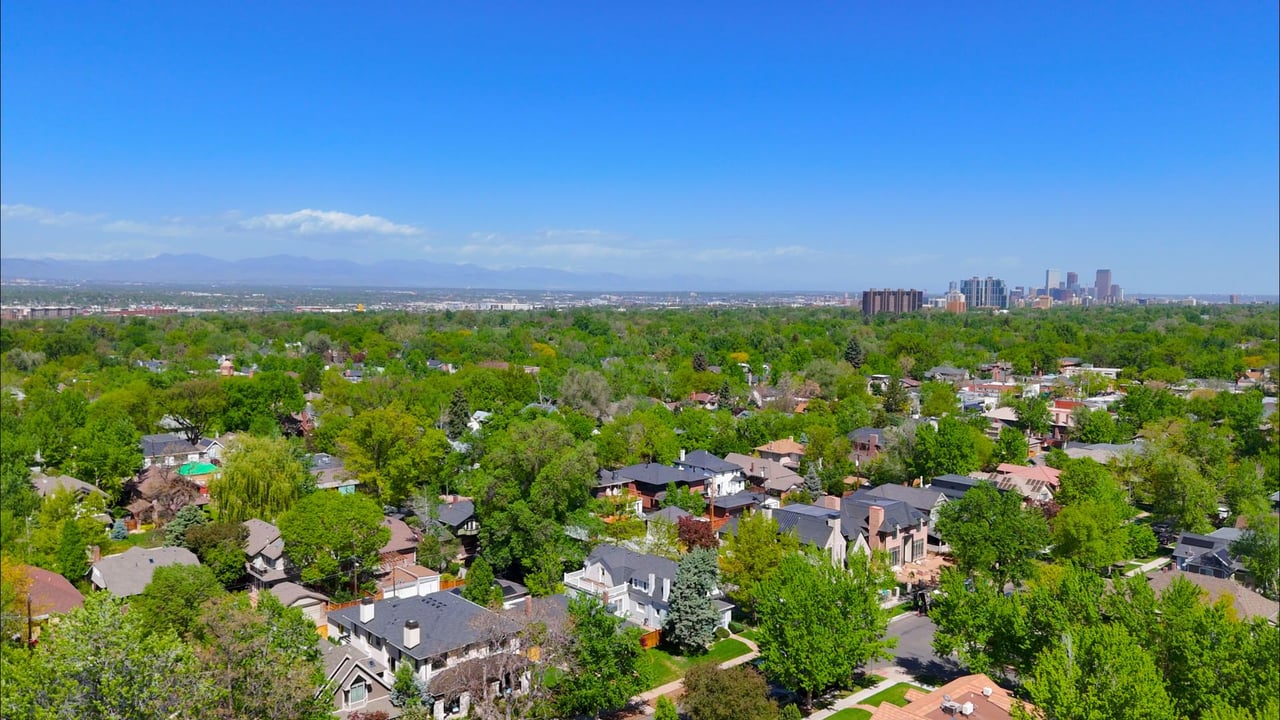
Aurora is Denver’s largest suburb and one of the most misunderstood places on the Front Range. If you’ve heard wildly different opinions about it, you’re not alone—Aurora is big, diverse, and feels completely different from one part of the city to another.
In this guide, I’ll walk you through what it’s actually like to live in Aurora in 2026: how much it costs, which neighborhoods people are choosing, what commutes and schools look like, and who Aurora tends to be a good fit for. You’ll also find plenty of links to deeper dives on Denver’s broader market, neighborhoods, and the true cost of owning here.
The Big Picture: Aurora in 2026
Aurora sits directly east and southeast of Denver and stretches from older, established neighborhoods near the city line to master-planned communities near the edge of the metro area. It’s home to a huge range of housing types: condos, townhomes, mid-century ranches, newer single-family homes, and everything in between.
Living in Aurora often means:
- More square footage and yard for the money compared to many parts of Denver proper.
- Access to multiple light rail lines, major highways, and Denver International Airport.
- Neighborhoods that feel very different from one another in terms of schools, density, and amenities.
For context on how Aurora fits into the bigger picture, start with my 2026 Denver neighborhood guide and my neighborhoods to watch in Denver right now .
Cost of Living and Housing in Aurora
One of the main reasons buyers look at Aurora is simple: you often get more home for your money than you would closer to downtown Denver. But like everywhere in the metro, 2026 has brought higher ownership costs—taxes, insurance, and sometimes metro district fees.
A few practical points:
- Home prices in many established Aurora neighborhoods are still below comparable areas in central Denver, especially for single-family homes and larger townhomes.
- Some newer Aurora communities include metro districts, which add to your effective property tax bill; it’s important to factor those levies into your budget.
- Insurance costs are affected by roof age and location, just like in the rest of the metro, so due diligence on hail risk and roof condition still matters.
For a full breakdown of what it actually costs to own in the Denver metro—including sample budgets at different price points—read my 2026 cost of living guide .
Neighborhood Vibes: Older vs Newer Parts of Aurora
Because Aurora is so large, it helps to think of it in zones rather than treating it as one monolithic “city.” The experience of living near the Denver border feels very different from life in a newer master-planned development further east or south.
Established Aurora Neighborhoods
The older, more established areas of Aurora—closer to the Denver border and along early light rail corridors—tend to offer:
- Mid-century homes, mature trees, and more traditional street grids.
- Shorter commutes into central Denver for many jobs.
- A mix of single-family homes, townhomes, and smaller condo communities.
These areas can be appealing to buyers who want a “neighborhood” feel and easier access to Denver without paying Denver prices.
Newer, Master-Planned Communities
As you move farther east and southeast, you’ll find newer subdivisions and master-planned communities with:
- Newer construction, open-concept floor plans, and energy-efficient systems.
- Community amenities like pools, trails, parks, and sometimes clubhouses.
- Metro district taxes and HOAs that fund those amenities and infrastructure.
These neighborhoods often appeal to buyers who prioritize newer homes, organized community amenities, and more predictable layouts over the character of older housing stock.
Commute, Transit, and Airport Access
One of Aurora’s biggest advantages is access: you’re close to major highways, multiple light rail lines, and Denver International Airport, depending on where in Aurora you land. For many people who travel regularly or work near DIA, Aurora is simply more practical than living in central Denver.
When we’re evaluating neighborhoods for you in Aurora, we’ll look at:
- Your commute destination(s) and which direction you’ll be driving at rush hour.
- Proximity to light rail stations, Park-n-Ride lots, and major corridors like I-225, I-70, and E-470.
- How often you fly and how much being closer to DIA will realistically matter in your day-to-day life.
If you’re relocating, this is a big part of the conversation in my guide to buying a Denver home from out of state .
Schools, Parks, and Everyday Amenities
Aurora spans multiple school districts and has a wide variety of public, charter, and private options. If schools are a major factor for you, we’ll get specific about boundaries and programs as we narrow down neighborhoods.
At a high level, living in Aurora often means:
- Good access to parks, trails, and reservoir recreation depending on the area you choose.
- Daily conveniences—grocery stores, restaurants, services—within a short drive in most neighborhoods.
- Very different school ratings from one attendance area to the next, which is something to look at carefully if you have or plan to have kids.
I always recommend that buyers research school performance data directly using official state and district resources, and if schools are a top priority, we’ll build them into your home search criteria from day one.
Who Aurora Is (and Isn’t) a Good Fit For
No city is a perfect fit for everyone. Here’s where Aurora tends to shine—and where it may not be the right move.
Aurora Is Often a Great Fit If You:
- Want more space (inside or outside) for your budget than you can get in many central Denver neighborhoods.
- Need to be relatively close to DIA, medical campuses, or employers along the I-225 and E-470 corridors.
- Are open to either older, established neighborhoods or newer master-planned communities, depending on your priorities.
- Like the idea of a suburban feel with access to urban amenities within a drive or train ride.
Aurora May Not Be Ideal If You:
- Want to be able to walk out your door and be in the middle of Denver’s restaurant and nightlife districts.
- Have a very narrow, specific school preference that doesn’t line up with available boundaries.
- Prefer historic architecture and tightly packed city neighborhoods over suburban layouts.
If you’re still deciding between Denver proper and Aurora (or other suburbs), my Denver neighborhood guide is a good place to compare options side by side.
What It’s Like to Buy in Aurora as a First-Time or Relocation Buyer
For many buyers I work with, Aurora comes into the picture as we look for:
- More house for the budget as a first-time buyer.
- A practical location when one partner works closer to Denver and the other is near DIA or the Tech Center.
- A landing spot for out-of-state relocations that balances price, commute, and amenities.
If you’re buying your first home, start with my 2026 Denver buyer guide and my renting vs. buying framework . If you’re moving from another state, pair this Aurora guide with my out-of-state buyer playbook .
Is Aurora the Right Move for You?
Reading about Aurora is helpful—but what really matters is how your budget, job, commute, and lifestyle line up with specific neighborhoods on the ground. That’s where a customized conversation is worth far more than another list of pros and cons.
If you’re considering Aurora alongside Denver or other suburbs, I’ll help you compare real options with actual numbers and trade-offs, not just headlines and opinions.
Reach out here to schedule a strategy call —we’ll talk through your move, your budget, and whether Aurora belongs on your short list (and if so, which parts).
FAQs: Living in Aurora, Colorado in 2026
Is Aurora, Colorado a good place to live?
It depends on your priorities. Aurora can be a great fit if you want more space for your budget, easier access to the airport or certain job centers, and you’re open to a suburban feel. It may not be ideal if you want to walk out your door into Denver’s busiest restaurant and nightlife districts.
Is Aurora more affordable than Denver?
In many cases, yes—especially when you compare single-family homes and townhomes with similar square footage. That said, you still need to factor in 2026 realities: property taxes, insurance costs, HOAs, and metro district fees in newer communities. My cost of living guide breaks down these numbers so you can compare areas more accurately.
How long is the commute from Aurora to Denver?
Commute times vary widely depending on where in Aurora you live and where in Denver you’re headed. Some closer-in areas can have commutes similar to many Denver neighborhoods, while farther-flung parts of Aurora will mean more time in the car. When we work together, we’ll map your specific routes and schedule so you know what to expect.
Is Aurora a good choice for first-time homebuyers?
For many first-time buyers, Aurora is worth a serious look because it often offers more options within a given budget. You’ll still want to be selective about neighborhoods, schools, and commuting, but if you’re open to a suburban feel, Aurora can be a smart way to get into a home that fits both your payment and your space needs.
Should I consider Aurora if I’m relocating from out of state?
Aurora is often on the short list for relocation buyers because of its mix of price points, proximity to DIA, and variety of housing. If you’re moving from out of state, we’ll look at how Aurora compares to other parts of the metro for your job, budget, and lifestyle, and we’ll build it into your remote home-buying plan if it makes sense.