



By Sallie Simmons · Denver REALTOR® at Compass
Last updated: November 2, 2026
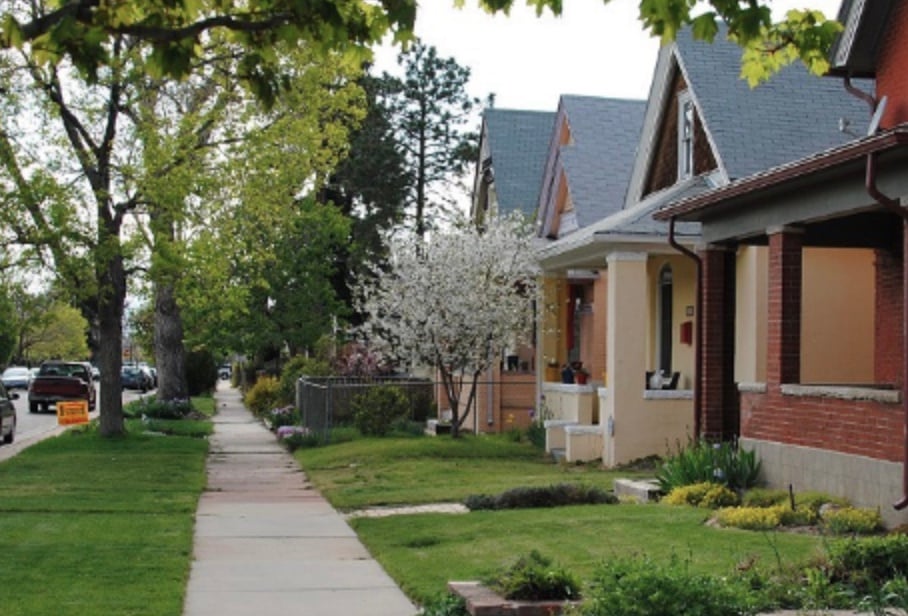
Baker is one of Denver's most distinctive historic neighborhoods, combining Victorian architecture, independent businesses, live music, and an energetic South Broadway corridor. Its residential streets offer a different experience from its commercial edges: front porches, older brick homes, established trees, and a mix of restored properties and newer construction.
Baker and neighboring Lincoln Park also put residents close to the Art District on Santa Fe, adding galleries, studios, murals, and First Friday Art Walks to the area's cultural appeal. These are connected destinations, but they are not interchangeable neighborhood names. Baker's South Broadway identity and Lincoln Park's connection to Santa Fe each contribute something different to this part of Denver.
For buyers and sellers, Baker offers more than a recognizable address. Architectural character, historic designation, property condition, parking, and the location of an individual home all influence its value and ownership experience. This guide explains what to consider when exploring Baker in 2026.
Discover Baker: Historic Homes and South Broadway Energy
Baker is located south of downtown Denver, with neighborhood boundaries extending from West Sixth Avenue to Mississippi Avenue and from Broadway to the South Platte River. That broader area includes residential streets, commercial corridors, and other land uses, so the experience can vary considerably by address.
The neighborhood developed during Denver's late-19th- and early-20th-century growth. Older homes remain central to its identity, with Victorian-era designs, cottages, rowhomes, and other traditional residential forms contributing to the streetscape.
The residential core received National Register historic-district recognition in 1985, followed by local Denver historic-district designation in 2000. The historic district covers part of Baker, not the entire neighborhood. That distinction matters when researching a property's renovation requirements.
Today, Baker combines established residential blocks with access to restaurants, coffee shops, vintage stores, entertainment, and everyday services along South Broadway. Buyers who enjoy an urban setting may appreciate being close to those destinations without living in a downtown high-rise.
If you're still narrowing your search, my guide to choosing the right Denver neighborhood for your lifestyle can help you compare the places you enjoy visiting with the places that fit your daily routine.
Baker Real Estate: What to Expect in 2027
Baker's housing market includes older detached homes, attached residences, condos, renovated properties, and newer infill construction. Those property types should not be evaluated as though they offer the same space, maintenance needs, or ownership costs.
A smaller historic home with original finishes may appeal to a different buyer from a fully renovated Victorian or a newer multilevel townhome. Above-grade living space, basement usability, lot configuration, garage access, outdoor areas, and renovation quality can all affect value.
Rather than treating published figures as current market data here, I evaluate recent comparable sales and active competition for the specific property. Asking prices show what sellers hope to achieve, while closed sales show what buyers have paid. Neither should be applied without considering differences between the homes.
Property types and pricing considerations generally break down as follows:
- Original historic homes and cottages: Appeal to buyers who value character or want to make improvements over time. Condition, layout, major systems, and the practicality of future work are important considerations.
- Renovated Victorian-era homes: Combine older architecture with updated living spaces. Evaluate the scope of the renovation, available permits, system improvements, and how well additions or layout changes function.
- Rowhomes, duplexes, and other attached residences: Offer different combinations of space and location. Shared walls, ownership structure, insurance, maintenance arrangements, and any recorded agreements deserve review.
- Condos and newer townhomes: May offer contemporary layouts or different maintenance responsibilities. Compare association costs, stairs, parking, outdoor space, construction quality, and the full monthly ownership expense.
Market pace depends on pricing, condition, property type, and current alternatives. A desirable listing may attract immediate attention, while another may need more time or a price adjustment. Buyers and sellers should not assume every Baker home receives multiple offers or sells within a fixed number of days.
For broader buying, selling, and market-planning resources, explore my Denver Real Estate Resource Center.
For Buyers
Baker can be a strong fit if you appreciate historic architecture, urban convenience, and neighborhood businesses with individual character. Start by deciding which parts of that experience matter most: a particular home style, a yard, a garage, proximity to South Broadway, or a quieter position farther from commercial activity.
Older homes deserve careful inspection. Depending on the property and inspection findings, additional evaluation may be appropriate for the sewer line, foundation, roof, electrical system, plumbing, heating and cooling, drainage, and previous additions.
Pay attention to how the space works. Basement ceiling heights, bedroom locations, bathroom access, storage, stairs, and laundry placement can affect daily comfort. A charming exterior does not automatically mean the interior layout will fit your needs.
For renovated properties, ask what was actually updated. A remodeled kitchen or bathroom does not establish whether the home received electrical improvements, a sewer replacement, or permitted structural work. Available documentation can help distinguish a comprehensive renovation from a primarily cosmetic update.
If you are considering exterior changes, an addition, or redevelopment, confirm the property's historic status and applicable requirements before purchasing. A home outside the local historic district may have different review requirements from one inside it.
My Denver home buyer's guide explains financing, offers, inspections, appraisals, and closing so you can connect your neighborhood research with the purchase process.
For Sellers
Selling a Baker home starts with identifying its actual competition. A preserved cottage, an expanded Victorian, and a newer townhome may attract different buyers, even when they are close to one another. Pricing and marketing should reflect those differences.
Original woodwork, exposed brick, architectural details, a welcoming porch, outdoor living space, and useful parking can help distinguish a property. The strongest presentation explains how those features contribute to the ownership experience rather than relying only on the neighborhood's reputation.
Preparation should be selective. Maintenance, paint, lighting, landscaping, and a clearer presentation of existing rooms may be more useful than an expensive renovation. The right priorities depend on condition, expected competition, and the likely concerns of prospective buyers.
Gather available permits, service records, warranties, and information about major improvements. Organized documentation can help answer questions about an older property's history and the work completed over time.
If your next move involves both selling and buying, my Smart Seller Game Plan can help you think through timing and the sell-first versus buy-first decision. For a property-specific conversation, contact me about selling your Baker home.
Life in Baker: Parks, Arts, Shopping and Entertainment
Parks and Recreation
Dailey Park provides a neighborhood green space within Baker, giving residents a nearby destination for time outdoors. Its convenience depends on the property's location, so include it in your neighborhood visit if park access is part of your search.
The Cherry Creek Trail and South Platte River corridor provide additional recreation options in the surrounding area. Check the route from a specific home to the access point you plan to use, including crossings and street connections.
Washington Park offers another nearby destination for a larger park outing. If frequent access to its paths, lakes, gardens, and recreation facilities is a priority, compare Baker with the locations covered in my Washington Park neighborhood guide.
For buyers who enjoy walking or cycling, test the routes that would become part of your routine. A location can look close on a map while requiring a less convenient crossing or connection in practice.
South Broadway Dining, Shopping and Live Music
South Broadway is central to Baker's identity. Its mix of independent shops, vintage stores, restaurants, coffee shops, bars, and music destinations creates an active commercial corridor beside the neighborhood's residential streets.
That proximity can be a major draw for buyers who want to go out locally rather than drive across town. It also means that street activity, parking demand, deliveries, and evening noise deserve attention when considering a property close to the corridor.
Visit at the times you expect to be home. A weekday afternoon showing may feel different from a weekend evening. Neither experience defines the whole neighborhood, but both can help you understand whether a particular address fits your preferences.
Baker, Lincoln Park and the Art District on Santa Fe
Baker and Lincoln Park share access to a broader creative part of central Denver, but each neighborhood has its own identity. Baker is closely associated with South Broadway and its historic residential streets. Neighboring Lincoln Park is closely connected to the Art District on Santa Fe, its galleries, public art, and cultural institutions.
The Art District on Santa Fe adds another dimension to life near Baker. First Friday Art Walks bring visitors to galleries, studios, and other participating spaces, making the corridor a destination beyond its everyday businesses.
For a Baker buyer, proximity to the arts district can be part of the appeal without describing the entire district as being inside Baker. If regular gallery visits or events are important to you, compare the actual route from the home to the section of Santa Fe Drive you would use.
This is also a useful distinction when comparing listings. A home marketed around access to South Broadway may offer a different setting from one marketed around the Santa Fe arts corridor, even though both are part of the same broader central Denver search.
Baker Architecture and Historic Preservation
Baker's architectural appeal comes from its variety. Victorian-era homes, Queen Anne details, cottages, traditional brick residences, rowhomes, duplexes, and newer infill construction contribute to different streetscapes throughout the neighborhood.
Original features can include decorative masonry, woodwork, tall windows, covered porches, and distinctive rooflines. Some properties retain much of their earlier design, while others combine older exteriors with substantially updated interiors.
The local Baker Historic District was designated in 2000, following National Register recognition in 1985. Those are separate designations, and the local district does not encompass every property in Baker.
For homes within a locally designated historic district, qualifying exterior work may require Denver Landmark Preservation review. That can influence plans for windows, additions, exterior alterations, and other projects. Historic designation does not mean a home can never change, but it does mean the review process should be understood before work is planned.
Denver's Landmark Preservation design review guidance explains the process. Verify the specific property's status rather than assuming the same requirements apply everywhere in the neighborhood.
For a buyer, the goal is to understand both the character you are purchasing and the practical responsibilities that come with it. For a seller, original details and well-executed improvements should be presented clearly without overstating what a future owner can change.
Community, Walkability and Getting Around
Baker combines residential streets with active commercial destinations. That mix supports an urban lifestyle, but the experience varies from block to block. Proximity to restaurants and entertainment, the availability of parking, traffic, and the position of the home within the neighborhood all matter.
Walkability is best evaluated at the address level. Check the routes to your preferred grocery store, coffee shop, park, transit stop, and other everyday destinations. A neighborhood's general reputation does not establish how convenient every trip will be from a particular home.
Parking deserves its own review. An off-street space, garage, alley access, or street-parking arrangement can make a meaningful difference. Confirm what is included with the property rather than relying on how easy it is to park during a single showing.
Baker's central location provides connections toward downtown and other parts of the metro area, including access to the surrounding road network and transit options. Actual travel times depend on the address, route, traffic, and transportation method.
If you're comparing nearby locations, my Speer neighborhood guide offers another perspective on central Denver living. You can also explore my Denver neighborhood guides to compare housing styles and amenities across the city.
Baker Schools and Enrollment Research
Baker is within Denver Public Schools. Current attendance assignments, enrollment zones, program availability, and school choice procedures should be checked for the specific property.
A school near a home is not automatically the assigned school, and a listing portal's school information does not confirm enrollment eligibility. Grade levels, application timelines, transportation, and program requirements may all affect the options available.
For help understanding the questions to ask, read my guide to Denver metro school districts and school choice enrollment, then confirm current details directly with the district.
Baker Denver: Frequently Asked Questions
What makes Baker unique?
Baker combines historic residential architecture with South Broadway's independent shops, restaurants, and entertainment. Its proximity to Lincoln Park and the Art District on Santa Fe adds access to another cultural corridor without making those areas the same neighborhood.
Is the Art District on Santa Fe in Baker or Lincoln Park?
The Art District on Santa Fe is closely associated with neighboring Lincoln Park, while South Broadway is Baker's defining commercial corridor. Baker and Lincoln Park offer access to connected arts, dining, and entertainment destinations, but it is more accurate to distinguish the two neighborhoods than to describe the entire Santa Fe arts district as being inside Baker.
What types of homes are in Baker?
Baker includes Victorian-era homes, cottages, traditional brick residences, rowhomes, duplexes, condos, and newer townhomes. Properties vary in size, condition, outdoor space, parking, and renovation history, so individual homes should be compared with genuinely similar alternatives.
When was the Baker Historic District established?
Baker's residential core received National Register historic-district recognition in 1985 and local Denver historic-district designation in 2000. The historic district covers part of the neighborhood rather than every Baker property.
Can you renovate a historic home in Baker?
Renovations are possible, but the requirements depend on the address, historic status, zoning, and proposed work. Qualifying exterior projects within the local historic district may require Landmark Preservation review. Standard permit and building requirements can also apply regardless of historic designation.
How much do homes cost in Baker in 2026?
A useful estimate requires current comparable sales for the relevant property type and location. A smaller older home, a renovated Victorian, a condo, and a newer townhome can have very different values. Check the reporting period and methodology before applying a published median to an individual property.
How competitive is the Baker real estate market?
Competition depends on pricing, condition, property type, location, and available alternatives. Some homes may attract prompt interest, while others take longer to sell. Buyers and sellers should evaluate current comparable properties rather than assume every listing receives multiple offers.
Is Baker walkable?
Many Baker locations offer convenient access to neighborhood businesses and destinations, particularly near South Broadway. The most useful test is to walk the routes from the specific property to the places you expect to use regularly.
What schools serve Baker?
Baker is within Denver Public Schools. Verify current attendance boundaries, enrollment zones, school choice procedures, and program availability for the property directly with the district.
Why choose Baker instead of another central Denver neighborhood?
Baker may be a strong fit if you want historic architecture, neighborhood businesses, and access to South Broadway's activity. Compare it with Lincoln Park, Speer, and other central locations based on the actual homes, street settings, parking, outdoor space, and routes that matter to you.
Work With Sallie Simmons in Baker
I'm Sallie Simmons, a REALTOR® with Compass and part of the Nostalgic Homes team. Since 2014, I've helped clients buy and sell in Denver's established neighborhoods with clear strategy, detailed property evaluation, and straightforward advice.
For Baker buyers, that means looking beyond architectural charm to understand condition, layout, historic requirements, comparable sales, and ownership costs. For sellers, it means identifying what makes the home stand out and building a preparation, pricing, and marketing plan around those strengths.
Whether you're considering a Victorian, looking for a townhome, comparing Baker and Lincoln Park, or preparing to sell a home you've owned for years, my approach starts with understanding your goals and explaining the tradeoffs clearly.
For additional buying, selling, relocation, and neighborhood information, explore my Denver Real Estate Resource Center. If you're moving from outside Colorado, my Colorado relocation guide provides a broader starting point.
Let's Get Started
Thinking about buying or selling in Baker? Let's talk about your goals, timing, and the properties you want to compare. Call me at 662.588.2420 or contact me about buying or selling in Baker.
Explore Nearby Denver Neighborhoods
Lincoln Park | Speer | Washington Park