Its central location and evolving housing mix make Lincoln Park an appealing option for buyers who want access to downtown without the pricing of nearby neighborhoods. For a broader comparison across the city, this Denver neighborhood guide helps place Lincoln Park within the overall market.
Lincoln Park is home to approximately 5,300 residents and has roots dating back to the late 1800s. The neighborhood developed as one of Denver’s early working-class communities and has remained a cultural hub, particularly for the city’s Latino and Chicano population.
That identity continues to shape the neighborhood today, visible in public art, community events, and local organizations. Roughly 50% of properties are owner-occupied, with a mix of long-term residents, artists, and younger buyers drawn by proximity to downtown and relative affordability.
Its location between Baker, the Golden Triangle, and downtown Denver makes Lincoln Park highly accessible while still maintaining a distinct neighborhood identity.
As of mid-2025, the median home price in Lincoln Park is approximately $495,000, with average values closer to $480,000. This places it among the more affordable central neighborhoods in Denver, particularly when compared to nearby areas like Baker and Capitol Hill.
Smaller cottages and older homes often start in the $400,000s, while renovated properties and newer townhomes typically range from the $500,000s to the $700,000s. This range gives buyers flexibility depending on their goals and budget.
Homes in Lincoln Park generally go under contract within 25–35 days, with steady demand from buyers looking for central access at a more attainable price point.
For buyers evaluating overall affordability, this cost of living guide outlines what to expect when purchasing in central Denver.
If you are preparing to enter the market, this Denver home buying guide breaks down how to approach neighborhoods like Lincoln Park.
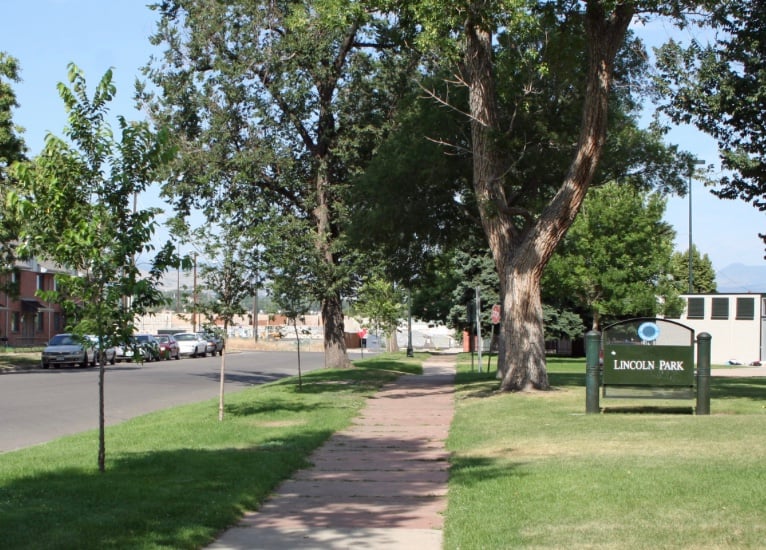
La Alma–Lincoln Park serves as the neighborhood’s central gathering space. The park includes sports fields, a recreation center, and community programming, along with murals that reflect the area’s cultural heritage.
Additional outdoor access is available through nearby trails and parks, including connections to the South Platte River and larger green spaces across central Denver.
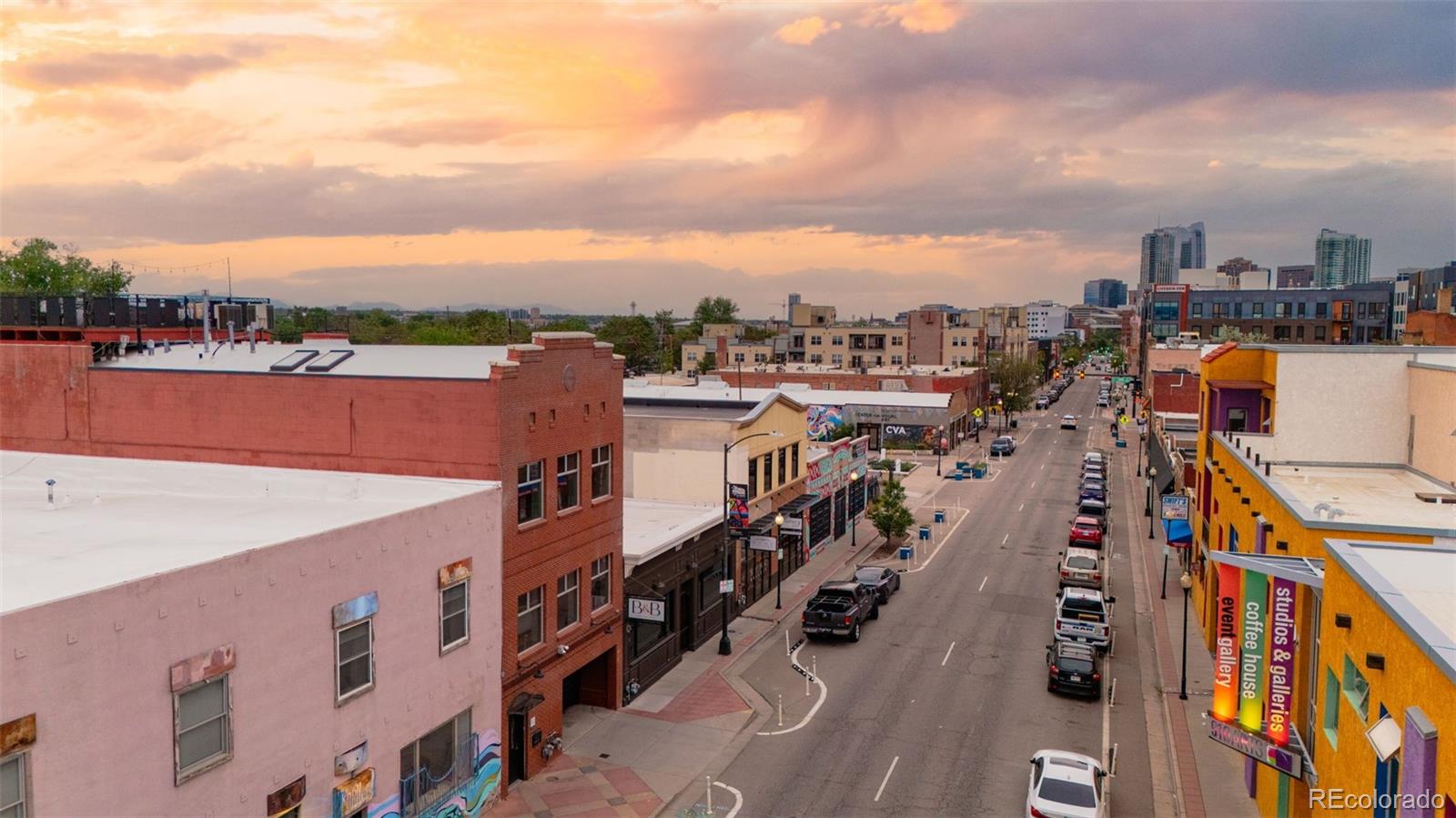
Lincoln Park borders the Santa Fe Arts District, one of Denver’s most active cultural corridors. The district is home to galleries, studios, and First Friday Art Walks, drawing visitors from across the city.
Public art is a defining feature of the neighborhood itself, with murals and installations that reflect its history and ongoing cultural identity. This connection to the arts gives Lincoln Park a distinct feel compared to more residential neighborhoods.
The neighborhood is served by Denver Public Schools, with elementary and middle school options nearby. Charter and private schools across central Denver also provide additional choices for families.
Lincoln Park features a mix of historic and newer housing. Late 19th-century Victorians and Denver Squares remain a core part of the neighborhood, many updated to meet modern expectations.
Mid-century duplexes, smaller cottages, and newer townhomes add to the housing mix, creating a range of price points and property types. This variety allows buyers to choose between historic character and lower-maintenance, newer construction.
The combination of old and new is a defining characteristic of Lincoln Park and contributes to its long-term appeal.
Lincoln Park has a strong sense of community rooted in cultural pride and local engagement. Neighborhood organizations, cultural events, and public art all contribute to an active and connected environment.
Its location near downtown Denver and major transit corridors makes commuting straightforward. Residents can easily access employment centers, dining, and entertainment while still living in a neighborhood with a distinct identity.
For those relocating, this relocation guide provides additional context on how Lincoln Park compares to other central neighborhoods.
Lincoln Park is often compared to nearby neighborhoods that offer different variations of central Denver living.
Baker offers a more established residential feel with historic homes and a strong dining scene along South Broadway.
Capitol Hill provides higher density and a larger concentration of apartments and historic buildings, along with a highly walkable environment.
Speer offers access to green space and the Cherry Creek trail system, with a mix of housing options and proximity to downtown.
Understanding these differences helps buyers determine which neighborhood best aligns with their priorities, whether that is affordability, cultural identity, or proximity to specific amenities.
For Buyers:
Lincoln Park offers a rare combination of affordability and central location. Buyers can find historic homes with character or newer properties at price points that are often lower than nearby neighborhoods.
If you are ready to move forward, you can start here: buyer questionnaire.
For Sellers:
Sellers benefit from increasing demand as buyers look for value near downtown. Renovated homes and properties close to the Arts District tend to perform particularly well.
To better understand your home’s value, use this home valuation tool or review the Smart Seller Game Plan if you are planning your next move.
I’m Sallie Simmons, Realtor® with Compass and part of the Nostalgic Homes team. Since 2014, I’ve helped clients navigate Denver’s central neighborhoods like Lincoln Park with a focus on strategy, market knowledge, and clear communication.
For additional information, visit my FAQ page or review my seller guide.
What makes Lincoln Park unique?
Its Chicano heritage, murals, and connection to the Santa Fe Arts District.
What types of homes are available?
Victorians, Denver Squares, cottages, duplexes, and modern townhomes.
How competitive is the market?
Moderate, with stronger demand for updated homes and newer construction.
Why choose Lincoln Park?
For its combination of cultural identity, affordability, and central location.
Thinking about buying or selling in Lincoln Park? Call 662.588.2420 or visit salliesimmons.com to connect.
Explore nearby neighborhoods: Baker • Capitol Hill • Speer
7,116 people live in Lincoln Park, where the median age is 36 and the average individual income is $47,125. Data provided by the U.S. Census Bureau.
Total Population
Median Age
Population Density Population Density This is the number of people per square mile in a neighborhood.
Average individual Income
There's plenty to do around Lincoln Park, including shopping, dining, nightlife, parks, and more. Data provided by Walk Score and Yelp.
Explore popular things to do in the area, including Moondawgy, Cloud 9 Desserts - Vallejo, and Taco Sammy's.
| Name | Category | Distance | Reviews |
Ratings by
Yelp
|
|---|---|---|---|---|
| Dining | 0.46 miles | 0 reviews | 0/5 stars | |
| Dining | 0.46 miles | 0 reviews | 0/5 stars | |
| Dining | 0.46 miles | 0 reviews | 0/5 stars | |
| Dining | 0.9 miles | 0 reviews | 0/5 stars | |
| Shopping | 0.17 miles | 0 reviews | 0/5 stars | |
| Shopping | 0.52 miles | 1 review | 1/5 stars | |
| Active | 0.24 miles | 0 reviews | 0/5 stars | |
| Active | 0.34 miles | 1 review | 5/5 stars | |
| Active | 0.75 miles | 0 reviews | 0/5 stars | |
| Beauty | 0.29 miles | 2 reviews | 5/5 stars | |
| Beauty | 0.49 miles | 1 review | 5/5 stars | |
|
|
||||
|
|
||||
|
|
||||
|
|
||||
|
|
||||
|
|
Lincoln Park has 3,644 households, with an average household size of 2. Data provided by the U.S. Census Bureau. Here’s what the people living in Lincoln Park do for work — and how long it takes them to get there. Data provided by the U.S. Census Bureau. 7,116 people call Lincoln Park home. The population density is 13,392 and the largest age group is Data provided by the U.S. Census Bureau.
Total Population
Population Density Population Density This is the number of people per square mile in a neighborhood.
Median Age
Men vs Women
Population by Age Group
0-9 Years
10-17 Years
18-24 Years
25-64 Years
65-74 Years
75+ Years
Education Level
Total Households
Average Household Size
Average individual Income
Households with Children
With Children:
Without Children:
Marital Status
Blue vs White Collar Workers
Blue Collar:
White Collar: