


By Sallie Simmons · Denver REALTOR® at Compass
Last updated: November 3, 2026
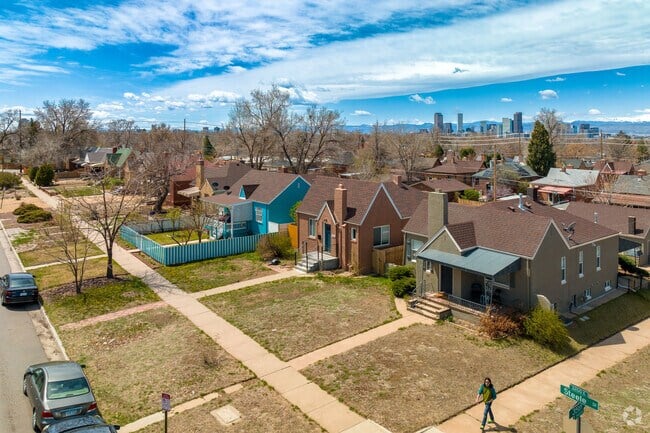
Clayton is a northeast Denver neighborhood with a long history, a mix of Victorian-era and post-war homes, tree-lined blocks, and a location close to City Park, Park Hill, and the A Line. Its name comes from George W. Clayton, whose bequest created the historic Clayton College, and the neighborhood has kept a distinct identity even though it is often confused with its neighbors.
For buyers, the appeal may be a bungalow or cottage with character, a manageable price compared with some better-known central neighborhoods, or a location with rail access. For sellers, the opportunity is to show how a home's history, updates, and setting fit buyers who want a central Denver address with a neighborhood feel.
This guide explains Clayton's history, housing, parks, transportation, and the details that matter when buying or selling here.
What Makes Clayton Special
Clayton began in the 1880s as a development called Cook's Addition, platted by developer John Cook Jr. The name changed to honor George W. Clayton, the Denver businessman and philanthropist whose will funded the Clayton College for Boys, completed in 1911.
The historic college building still stands at Martin Luther King Jr. Boulevard and Colorado Boulevard. It is listed on the National Register of Historic Places and continues to serve children and families as Clayton Early Learning, which keeps the neighborhood's namesake connected to its community.
Clayton's housing reflects its layered history. Many of the original homes were built in the late 1880s and early 1890s in Queen Anne, Victorian, and shotgun styles, while much of the modern neighborhood was built after World War II for returning veterans.
Proximity to rail lines and, later, the interstate made the area popular with working families. That practical origin still shapes the neighborhood today, from its modest homes to its sense of everyday community.
The neighborhood's boundaries are York Street on the west, Colorado Boulevard on the east, Martin Luther King Jr. Boulevard on the south, and 40th Avenue on the north. Clayton is a distinct neighborhood, even though it is frequently grouped with Park Hill, Cole, and City Park.
If you are comparing Clayton with a better-known neighbor, read my City Park vs. Park Hill comparison.
For a broader comparison, read my Denver neighborhood guide organized around lifestyle, budget, and goals.
You can also explore my Cheesman Park neighborhood guide, Congress Park neighborhood guide, and City Park neighborhood guide to compare other central Denver options.
Clayton Real Estate: What to Expect in 2027
Clayton's housing includes Victorian-era cottages and shotgun homes, bungalows, post-war houses built for returning veterans, and renovated properties. Some retain their original character, while others have been updated or expanded.
Rather than give you generic numbers, I prefer to provide accurate pricing based on current market conditions and the type of home you are considering. Whether you are looking for a classic cottage, a renovated bungalow, or a home with room to improve in Clayton, I can help you understand where it fits in the local market.
Age and construction matter in Clayton. A Victorian-era home with original details is a different purchase from a mid-century house built for a growing family, even when the two are close in size.
Condition and updates are equally important. Renovated homes may have updated systems and finishes, while original-condition properties offer buyers the chance to shape the home over time.
Location within the neighborhood also affects the experience. A home near the 40th and Colorado rail station, one closer to Martin Luther King Jr. Boulevard, and one on a quiet interior block can each offer a different daily routine.
For budgeting beyond the purchase price, my Denver cost-of-living guide outlines expenses to consider alongside your mortgage.
Property Types and Pricing Considerations
- Victorian-era cottages and shotgun homes: Offer historic character and compact layouts. Evaluate original details, ceiling heights, storage, and the condition of major systems.
- Bungalows and brick cottages: Combine traditional exteriors with practical floor plans. The quality of any additions and the usability of the basement deserve attention.
- Post-war homes: Provide single-level living on many floor plans. Compare bedroom arrangements, garage access, yard size, and construction type.
- Renovated homes: Pair older construction with updated interiors. The scope and quality of the work matter beyond kitchens and finishes, including systems and permits.
- Homes with renovation potential: May suit buyers who want to personalize over time. The purchase budget should leave room for the work needed to make the home function as intended.
For Buyers
Start by deciding what you want from an older home: preserved details, a finished renovation, or a project you can shape over time. Those priorities will help narrow your search.
Older homes deserve a close look beyond their appearance. Inspection findings and available records can help clarify the roof, sewer line, electrical system, plumbing, heating and cooling, foundation, and previous alterations.
Several of my posts cover the questions that come up with older homes, including buying a house with an old roof, the Denver sewer scope, and buying with an old furnace or AC.
If affordability is a priority, read my post on the best neighborhoods for first-time buyers under $600K in the Denver metro.
If you are choosing between an older home and a newer one, my guide to choosing between a new build and a classic Denver charmer can help you weigh the tradeoffs.
Visit the property at different times of day. Traffic on nearby arterials, activity near the rail line, and weekday and weekend patterns can vary by block.
My Denver home buying guide explains how to evaluate homes and prepare for the purchase process.
If you are ready to narrow your options, complete my buyer questionnaire. Tell me your budget, timeline, and priorities, and we can build a focused Clayton search.
For Sellers
A Clayton sale should highlight what sets the home apart. Original details, thoughtful updates, natural light, a useful layout, and a welcoming yard can all help buyers see its value.
For older homes, the presentation should explain what was preserved and what was improved. Documentation of major work, such as systems, roofing, sewer line repairs, or additions, helps buyers understand the home's condition.
Neighborhood context can strengthen the story. Clayton's history, its connection to City Park and Park Hill, and its rail access help buyers picture daily life beyond the house itself.
I can help you decide which preparation is worthwhile, whether that means maintenance, paint, lighting, landscaping, or staging, and how to price and present the property to the right buyers.
Gather available permits, warranties, service records, and information about significant improvements. In an older neighborhood, that paperwork can answer questions before buyers ask them.
To begin exploring your home's value, use my home valuation tool.
My seller guide explains the sale process. If your move involves both selling and buying, explore the Smart Seller Game Plan.
Life in Clayton: Parks, Local Businesses and Community
Parks and Recreation
City Park is the largest nearby green space, with lakes, lawns, paths, and recreation facilities. It is also home to the Denver Zoo and the Denver Museum of Nature & Science, which makes it a destination for families and visitors across the city.
The trip from Clayton depends on the address. Walk or ride the actual route to the park entrance you would use, since crossings, distance, and traffic affect how easy a quick outing feels.
Neighboring Park Hill and Cole offer other nearby parks and open space. Each has its own feel, and the most convenient one depends on where in Clayton you live.
Many Clayton homes also have yards of their own. Lot shape, landscaping, and the relationship between the house and the outdoor space determine how much of it you can use.
For more on how nearby neighborhoods compare, read my City Park vs. Park Hill comparison.
Shopping, Dining and Entertainment
Clayton is primarily residential, with shopping and dining in the surrounding area. Colorado Boulevard, Martin Luther King Jr. Boulevard, and the commercial corridors of Park Hill, Cole, and City Park provide restaurants, coffee shops, and everyday services.
The most convenient district depends on your starting point and the route you take. Grocery access, errands, and regular destinations may point to a particular part of the neighborhood.
The A Line also puts downtown dining and entertainment within reach without needing a car. Check current service and the trip from the property to the station.
For more on dining across the city, read my post on the best Denver neighborhoods for foodies. Explore my City Park guide for another nearby comparison.
Community and Everyday Convenience
Clayton has a neighborhood feel shaped by its long history. Long-time residents and newer buyers share blocks of older homes, and a registered neighborhood organization supports community engagement.
Clayton Early Learning is a visible community presence, continuing the legacy of the college that gave the neighborhood its name.
Daily convenience depends on the property. A home near Colorado Boulevard, one close to the rail station, and one on a quiet interior street each offer a different routine.
Garage access, parking, storage, and yard maintenance are also practical considerations, particularly when comparing an original home with a renovated one.
If you are moving from outside the area, my Denver relocation guide can help you compare Clayton with your broader work and lifestyle needs.
Clayton Architecture and Housing Character
Clayton's architecture reflects two major periods. The earliest homes, from the late 1880s and early 1890s, include Queen Anne, Victorian, and shotgun styles, while later construction added post-war houses for returning veterans.
Victorian-era homes bring decorative detail, tall windows, and compact footprints. Post-war homes offer practical floor plans and single-level living, often with more straightforward layouts.
Some homes retain original room arrangements and materials, while others have been updated with newer kitchens, bathrooms, and systems. That range gives buyers a choice between preserving character and buying a home with completed work.
Additions and renovations vary in quality. Look at how new space connects to the original house and whether the layout supports the way you live.
For buyers planning changes, historic designation applies to selected properties and districts rather than every older home. Confirm the address's status before planning exterior alterations, additions, or other work, and review any applicable permits.
Getting Around Clayton
Clayton's northeast Denver location provides connections to downtown, Central Park, and surrounding neighborhoods by rail, bus, bike, and car. The best option depends on the property and where you are going.
The A Line stops at 40th and Colorado Station near the neighborhood's northeast corner, with service toward Union Station and Denver International Airport. Check the route from the property, current service, and any transfers.
Colorado Boulevard, York Street, Martin Luther King Jr. Boulevard, and nearby arterials provide road connections, and I-70 is close to the northern edge. Actual travel times depend on the route, traffic, and time of day.
For walking and cycling, the streets and crossings between a property and your destination are part of the complete route. For a comparison with other walkable neighborhoods, read my post on the most walkable Denver neighborhoods.
Parking is another practical consideration. Older homes may have limited off-street parking, so confirm what a property includes and evaluate guest parking separately.
Clayton Schools and Enrollment
Clayton is within Denver Public Schools. School assignments and enrollment options should be checked using the specific property address.
Clayton Early Learning serves young children in the neighborhood, and families also consider nearby district, charter, and private options. A nearby school's location does not automatically establish eligibility or guarantee admission.
School choice procedures, grade levels, program availability, and transportation may affect your options. Confirm current information directly with the district before making a purchase decision.
My guide to Denver metro school districts and school choice enrollment explains the questions to ask during your search.
Clayton Denver: Frequently Asked Questions
What makes Clayton unique?
Clayton combines a long history, a mix of Victorian-era and post-war homes, a central northeast Denver location, and rail access. Its name and identity come from George W. Clayton and the historic Clayton College.
Where is Clayton in Denver?
Clayton is in northeast Denver, bounded by York Street, Colorado Boulevard, Martin Luther King Jr. Boulevard, and 40th Avenue. It is often confused with Park Hill, Cole, and City Park.
What types of homes are in Clayton?
The neighborhood includes Victorian-era cottages and shotgun homes, bungalows, brick cottages, post-war houses, and renovated properties. Condition varies from original to extensively updated.
How much do homes cost in Clayton?
Pricing depends on the property's size, condition, improvements, lot, and location. Tell me what type of home you are considering, and I can provide current pricing information tailored to your search.
How competitive is the Clayton real estate market?
The answer depends on the home and the alternatives available at the time. I can help you understand current buyer activity, pricing, and how a particular property compares with its competition.
Is Clayton walkable?
Many addresses offer access to transit, parks, and nearby businesses, but the experience depends on the property and your routine. Walk the actual routes you would use and evaluate crossings, sidewalks, traffic, and distance.
Does Clayton have rail access?
Yes. The A Line stops at 40th and Colorado Station near the neighborhood, with service toward Union Station and the airport. Check the route from the property and current service.
What schools serve Clayton?
Clayton is within Denver Public Schools, and Clayton Early Learning serves young children. Confirm current assignments, school choice procedures, program availability, and transportation directly with the district using the property's address.
What should I know before buying an older home here?
Look beyond cosmetic updates to major systems, the sewer line, the roof, the foundation, and any additions. Inspection findings and available records can help you understand the home's condition and plan for future work.
How does Clayton compare with nearby neighborhoods?
Clayton offers its own combination of history, older homes, and rail access. Explore my Cheesman Park guide, Congress Park guide, and City Park guide to compare other central Denver locations and housing choices.
Work With Sallie Simmons in Clayton
I'm Sallie Simmons, REALTOR® with Compass and a member of the Nostalgic Homes team. Since 2014, I've helped buyers and sellers navigate Denver real estate with local knowledge, straightforward advice, and a strategy built around their goals.
I specialize in first-time buyers and in historic and mid-century homes, which makes Clayton a natural fit. For buyers, that means helping you understand a home's condition and character, compare original and renovated properties, and choose the right block. For sellers, it means presenting a home's history, updates, and strengths clearly.
For additional information, visit my real estate FAQ page, review my seller guide, or explore my Denver neighborhood guides.
Let's Get Started
Thinking about buying or selling in Clayton? Let's talk about your goals. Call or text me at 662.588.2420 or visit salliesimmons.com to connect.
Want to learn more about the buying process? Check out this blog to learn how to get a house without overpaying. Ready to make a move now? Fill out my buyer questionnaire here, and I will be in touch to set up a call with you!