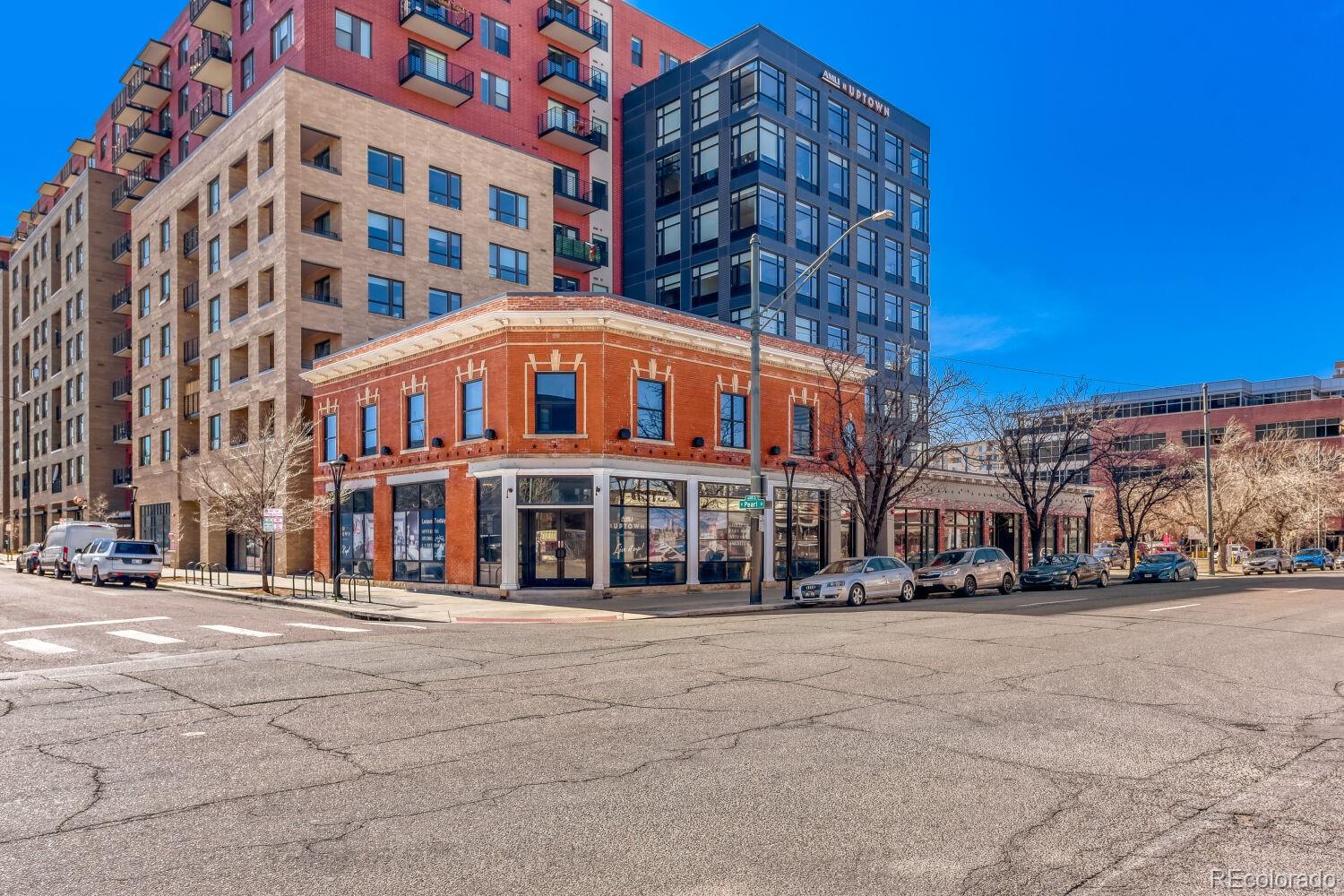
Uptown, officially known as North Capitol Hill, is one of Denver’s most desirable central neighborhoods. Defined by its historic homes, tree-lined streets, and immediate access to downtown, Uptown offers a balance of urban energy and residential livability. With dining along 17th Avenue, proximity to City Park, and a mix of housing options, Uptown continues to attract buyers who prioritize location, lifestyle, and character.
For buyers comparing neighborhoods across the city, Uptown often stands out for its walkability and access to both outdoor space and employment centers. This Denver neighborhood guide provides a broader look at how Uptown fits within the overall market.
Uptown is home to approximately 8,000 residents and has roots dating back to the late 1800s. Many of the neighborhood’s original Victorian homes and Denver Squares remain, now complemented by mid-rise condos and modern apartment buildings. This mix of old and new creates a layered housing landscape that appeals to a wide range of buyers.
The neighborhood includes a balanced mix of renters and owners, with roughly 55% owner-occupied properties. Residents range from young professionals to long-term homeowners, contributing to a community that feels both active and established.
Uptown is often described as “urban but livable.” While 17th Avenue brings consistent activity, many residential blocks remain quiet and walkable, giving the neighborhood a unique balance that is difficult to replicate elsewhere in Denver.
As of mid-2025, the median home price in Uptown is approximately $640,000, with average values closer to $625,000. Pricing varies significantly depending on property type, condition, and location within the neighborhood.
Historic Victorians and Denver Squares often list above $900,000, particularly when updated. Smaller condos and rowhomes typically range from the $400,000s to $500,000s, making Uptown one of the more accessible central neighborhoods for buyers looking to stay close to downtown.
Homes in Uptown generally go under contract within 25–35 days, though updated properties and well-located homes can move faster. Limited inventory of historic homes continues to drive demand.
Buyers evaluating affordability at this price point can benefit from understanding broader costs. This cost of living guide breaks down what to expect when owning in central Denver.
If you are preparing to enter the market, this Denver home buying guide outlines how to approach competitive neighborhoods like Uptown.
Uptown sits just west of City Park, one of Denver’s largest and most utilized green spaces. City Park offers walking paths, lakes, sports fields, and access to the Denver Zoo and Denver Museum of Nature & Science.
Within the neighborhood itself, residents enjoy tree-lined streets, smaller pocket parks, and a high level of walkability. The ability to move easily between residential streets, restaurants, and outdoor spaces is a defining feature of life in Uptown.
Uptown is best known for the 17th Avenue corridor, often referred to as “Restaurant Row.” This stretch includes a wide range of dining options, from casual coffee shops to upscale restaurants and cocktail bars.
Its proximity to downtown Denver also places major cultural and entertainment venues within easy reach, including theaters, sports arenas, and event spaces.
Uptown is served by Denver Public Schools, with several elementary and middle school options nearby. Charter and private schools are also accessible throughout central Denver, giving families additional flexibility.
Uptown’s architecture reflects its long history and ongoing evolution. Grand Victorian homes, Queen Anne styles, and classic Denver Squares remain a prominent part of the neighborhood’s identity.
Alongside these historic properties are early 20th-century apartment buildings, rowhomes, and modern mid-rise condos. This variety allows buyers to choose between historic character and lower-maintenance urban living.
The coexistence of these housing types is one of Uptown’s strongest features, providing options for a wide range of budgets and preferences.
Uptown’s central location is one of its biggest advantages. Residents can walk or bike to downtown Denver, City Park, and surrounding neighborhoods. Transit options, including bus routes and nearby light rail access, make commuting manageable without relying entirely on a car.
Despite its urban setting, Uptown maintains a strong sense of community. Local events, neighborhood associations, and active public spaces contribute to a connected environment.
For buyers relocating to Denver, this relocation guide provides additional insight into how central neighborhoods like Uptown compare.
Uptown is frequently compared to nearby neighborhoods, each offering a slightly different experience.
Capitol Hill offers a similar central location with more density and a larger concentration of historic apartments and rentals.
Cheesman Park provides a quieter residential feel centered around one of Denver’s most iconic parks.
City Park offers more space and proximity to green areas, with a mix of historic homes and newer builds.
Comparing these areas can help buyers identify what matters most—whether that is walkability, housing style, or proximity to parks and downtown.
For Buyers:
Uptown offers a combination of historic homes and accessible condo options in one of Denver’s most walkable locations. Buyers should expect competition for updated properties, particularly larger historic homes.
If you are ready to begin your search, you can start here: buyer questionnaire.
For Sellers:
Sellers benefit from strong demand and limited inventory of historic properties. Homes that are well-prepared and priced appropriately often attract consistent interest.
To better understand your home’s value, use this home valuation tool or review the Smart Seller Game Plan if you are planning your next move.
I’m Sallie Simmons, Realtor® with Compass and part of the Nostalgic Homes team. Since 2014, I’ve helped clients navigate Denver’s central neighborhoods like Uptown with a focus on strategy, market insight, and clear communication.
For more information, visit my FAQ page or review my seller guide.
What makes Uptown unique?
Its combination of historic homes, walkability, and access to dining and downtown Denver.
What types of homes are available?
Victorians, Denver Squares, condos, rowhomes, and mid-rise apartments.
How competitive is the market?
Consistently strong, particularly for updated homes and desirable locations.
Why choose Uptown?
For its mix of history, convenience, and central location within Denver.
Thinking about buying or selling in Uptown? Call 662.588.2420 or visit salliesimmons.com to connect.
Explore nearby neighborhoods: Capitol Hill • Cheesman Park • City Park
7,822 people live in Uptown Denver, where the median age is 36 and the average individual income is $60,443. Data provided by the U.S. Census Bureau.
Total Population
Median Age
Population Density Population Density This is the number of people per square mile in a neighborhood.
Average individual Income
There's plenty to do around Uptown Denver, including shopping, dining, nightlife, parks, and more. Data provided by Walk Score and Yelp.
Explore popular things to do in the area, including Pasteles con Foto, Pivot Tech, and Source Healing & Self Help Center.
| Name | Category | Distance | Reviews |
Ratings by
Yelp
|
|---|---|---|---|---|
| Dining | 0.58 miles | 0 reviews | 0/5 stars | |
| Active | 0.26 miles | 0 reviews | 0/5 stars | |
| Active | 0.32 miles | 0 reviews | 0/5 stars | |
| Beauty | 0.14 miles | 1 review | 1/5 stars | |
|
|
||||
|
|
||||
|
|
||||
|
|
||||
|
|
||||
|
|
Uptown Denver has 5,344 households, with an average household size of 1. Data provided by the U.S. Census Bureau. Here’s what the people living in Uptown Denver do for work — and how long it takes them to get there. Data provided by the U.S. Census Bureau. 7,822 people call Uptown Denver home. The population density is 24,087 and the largest age group is Data provided by the U.S. Census Bureau.
Total Population
Population Density Population Density This is the number of people per square mile in a neighborhood.
Median Age
Men vs Women
Population by Age Group
0-9 Years
10-17 Years
18-24 Years
25-64 Years
65-74 Years
75+ Years
Education Level
Total Households
Average Household Size
Average individual Income
Households with Children
With Children:
Without Children:
Marital Status
Blue vs White Collar Workers
Blue Collar:
White Collar: