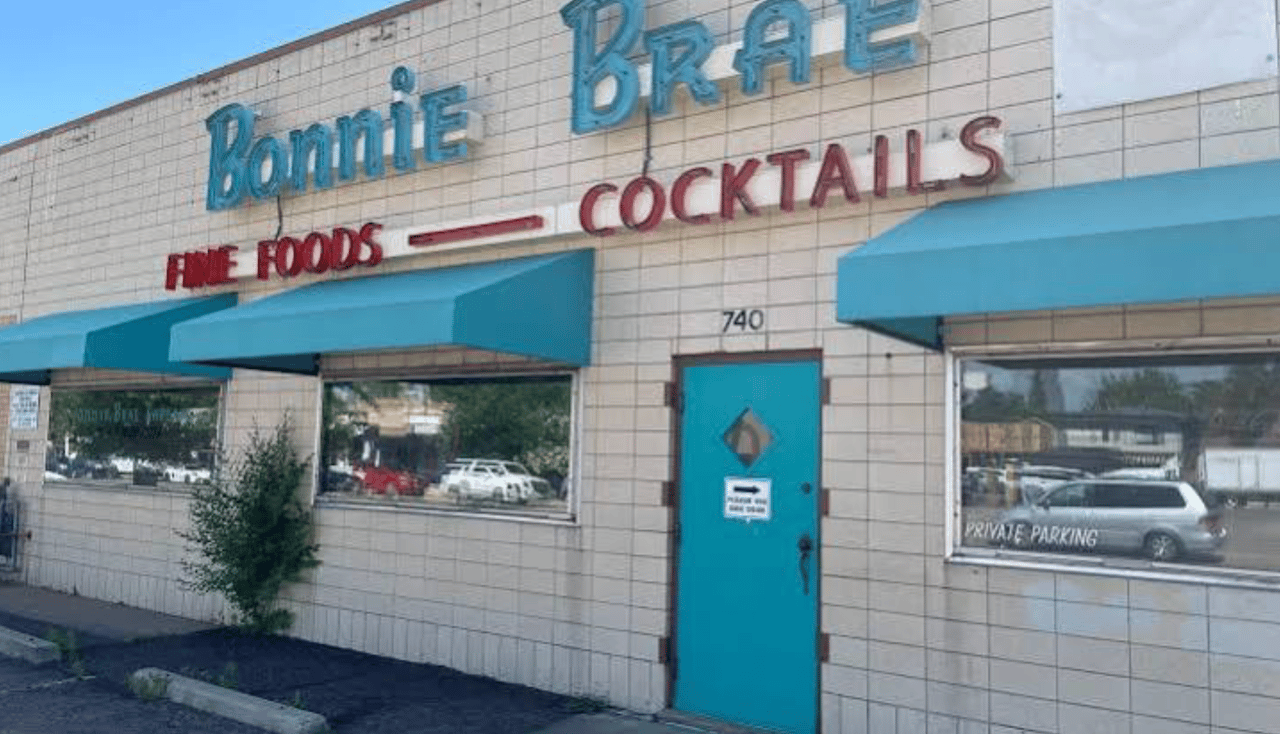
What Is Actually Changing on University Boulevard in Bonnie Brae?
Two familiar Bonnie Brae corners are changing, but not on the same timeline. The former Bonnie Brae Tavern site is now an active apartment-and-retail redevelopment project with anticipated early-2027 move-ins. The Bonnie Brae Conoco is for sale, but it remains open, family-owned, and without a publicly confirmed redevelopment plan.
Drive south on University Boulevard through Bonnie Brae and you pass two corners that have long felt permanent.
At University and Ohio, the old Bonnie Brae Tavern site is becoming a new mixed-use project with a name, a leasing timeline, and a future that is now visibly taking shape.
Four blocks south, at University and Exposition, the family-run Bonnie Brae Conoco is officially for sale after more than eight decades in operation.
From the driver’s seat, those two changes can look like the same story: another familiar Denver neighborhood strip being remade.
They are not.
One corner has already moved from a beloved local institution to demolition, construction, and a defined apartment project. The other has a for-sale sign, an operating business, and an owner who has made clear that he is not in a hurry to sell.
For Bonnie Brae homeowners, buyers considering a home near University Boulevard, and neighbors watching the commercial strip evolve, that distinction matters. A rendering, a demolition fence, a for-sale sign, and a future leasing date all signal different stages of change, with very different timelines.
The Former Bonnie Brae Tavern Site Has a Defined Plan
Bonnie Brae Tavern closed on June 25, 2022, after 88 years in business. The restaurant had been part of the University Boulevard strip since 1934, and its closing was understandably significant for the people who had made it part of their regular routine.
The property at 740 South University Boulevard was sold to developers associated with Alpine Investments and Revesco Properties. The sale included the former tavern property and adjacent parcels, creating a larger redevelopment opportunity at University and Ohio.
The site is now being redeveloped as akin Bonnie Brae, a three-story apartment community planned for 46 residential units with ground-floor retail. The developer lists pre-leasing for fall 2026 and an early-2027 move-in schedule. Alpine Investments identifies the project as a 46-unit, three-story development with a Q1 2027 delivery target.
That makes this a very different situation from a property that is simply rumored to be changing.
The project has a name, published floor plans, a unit count, a future leasing program, a projected delivery period, and active construction. The former tavern building was demolished in 2025, and the site has moved beyond the speculative phase that often follows the closing of a longtime neighborhood business.
The Bonnie Brae Tavern Redevelopment Timeline
When | What happened |
|---|---|
2019 | The property receives a five-year redevelopment window from Denver’s zoning board. |
June 2022 | Bonnie Brae Tavern closes after 88 years, and the property is sold to developers. |
2025 | The former tavern building is demolished. |
2026 | Construction progresses on the akin Bonnie Brae apartment-and-retail project. |
Fall 2026 | Pre-leasing is expected to begin. |
Early 2027 | The developer expects initial apartment move-ins. |
The useful takeaway is not just that Bonnie Brae Tavern closed. It is that redevelopment of a prominent neighborhood corner can take years from sale to occupancy, even once the public knows a project is coming.
For nearby residents, the visible disruption tends to happen in phases: uncertainty, demolition, construction, leasing, new residents, and eventually whatever retail tenants sign leases for the ground-floor space. The construction period is temporary. The building’s new role in the neighborhood will be much longer-lasting.
That is why buyers considering a home near University Boulevard should distinguish between a short-term construction inconvenience and a longer-term location change. Depending on the exact block and buyer, new retail and increased foot traffic may feel like an advantage, a tradeoff, or something in between.
The Bonnie Brae Conoco Is for Sale, But Its Future Is Not Decided
The Bonnie Brae Conoco at 724 South University Boulevard is a different story entirely.
The station has been operated by the Wilson family since 1942 and was officially listed for sale in 2026. According to Denver7’s reporting on the sale, owner Ken Wilson has said that the family is not in a rush to sell.
That matters because a property being listed does not mean it is under contract. A property under contract does not necessarily mean there is an approved redevelopment plan. And an approved plan still does not tell you when construction will begin, what the final building will look like, or how the property will operate once completed.
For now, the Conoco remains open.
It may sell quickly. It may remain in the family’s hands for years. It may eventually become another redevelopment opportunity. Or a future buyer could pursue a use that looks very different from what neighbors expect today.
Until there is a buyer, a public proposal, a land-use application, or a formal planning process, anyone claiming to know exactly what will replace the station is guessing.
That uncertainty is not a flaw in the story. It is the story.
Why These Two Corners Are Not the Same
It is easy to group the former tavern site and the Conoco together because they are both familiar University Boulevard landmarks. But they are in very different stages of transition.
Former Bonnie Brae Tavern Site | Bonnie Brae Conoco |
|---|---|
Sold to developers in 2022 | Listed for sale in 2026 |
Former building was demolished in 2025 | Existing business remains open |
Active construction project | No publicly confirmed buyer or redevelopment proposal |
46-unit apartment community with ground-floor retail | Future use is unknown |
Pre-leasing expected in fall 2026 | Owner has indicated there is no rush to sell |
Developer targets early 2027 move-ins | No confirmed transaction or construction timeline |
This is a useful reminder for buyers and homeowners watching redevelopment anywhere in Denver: a property’s future becomes more certain in stages.
A for-sale sign is the beginning of a question. A construction fence is closer to an answer.
What Is Not Changing Overnight
The most visible changes on University Boulevard can make it feel as if the entire Bonnie Brae commercial strip is suddenly in play. That is not really the picture.
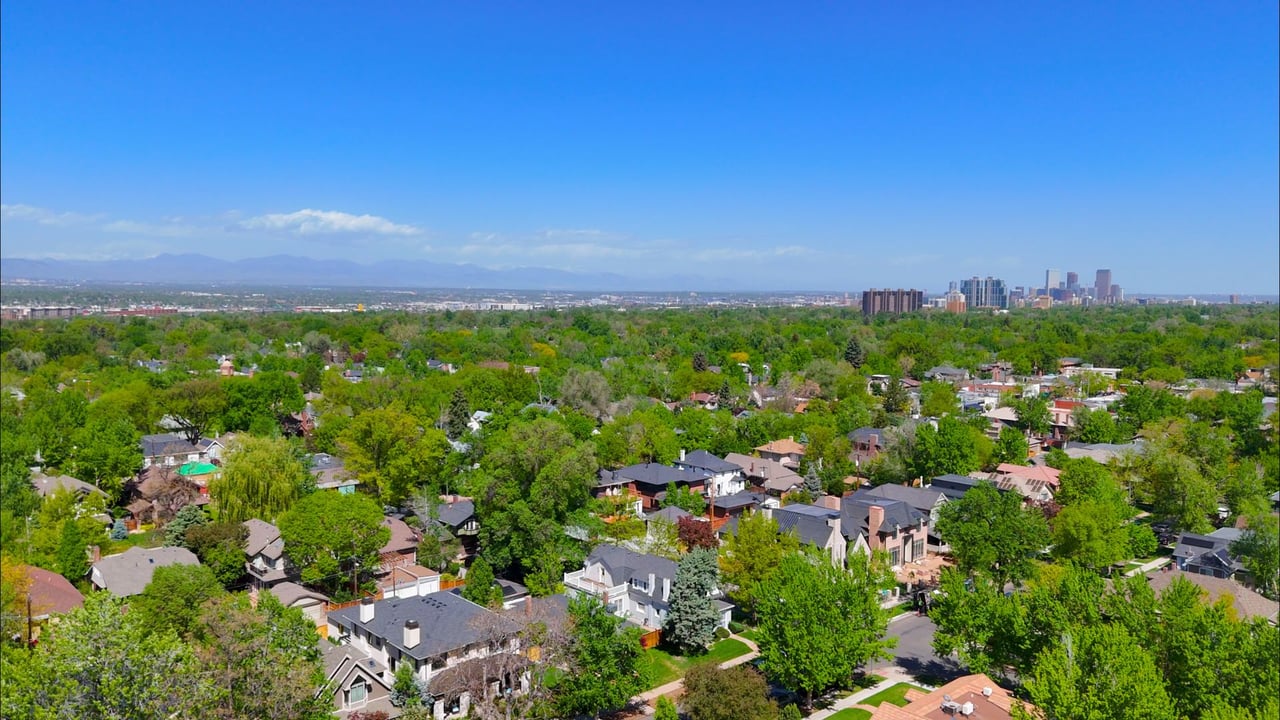
Bonnie Brae remains one of Denver’s most distinctive established neighborhoods, defined by winding streets, older homes, mature trees, a village-like commercial area, and central access to Cherry Creek, Washington Park, the University of Denver area, and downtown. You can see the broader housing and lifestyle picture in my Bonnie Brae real estate and neighborhood guide.
The neighborhood’s strength has never depended on one restaurant or one gas station.
For buyers, Bonnie Brae continues to offer a combination that is difficult to replicate in many parts of Denver:
- Central Denver access without a downtown feel
- Walkability to coffee, neighborhood restaurants, ice cream, local businesses, and daily services
- Storybook Tudors, brick cottages, ranches, updated homes, and newer luxury construction
- Proximity to Washington Park, Cherry Creek, the Cherry Creek Trail, and major commute routes
- A recognizable neighborhood identity that extends well beyond a single commercial corner
- Established residential streets where the architecture and landscaping create a strong sense of place
For homeowners, the broader value proposition remains intact even while the University Boulevard strip evolves.
If you are comparing Bonnie Brae with other parts of the city, my guide to the best Denver neighborhoods by lifestyle can help you compare walkability, housing styles, commute considerations, price expectations, neighborhood energy, and long-term fit.
What Nearby Homeowners Should Watch
If you own near University Boulevard, it is reasonable to watch both corners. But the most useful questions are not simply, “Will this change the neighborhood?” Change is already happening.
The better questions are more specific:
- What retail tenants ultimately lease space at akin Bonnie Brae?
- How will the completed building interact with the sidewalk, parking, traffic, loading, and pedestrian activity?
- Will the project create a more active commercial corner during the day and evening?
- Who eventually buys the Conoco property, if it sells?
- What future use is proposed for University and Exposition?
- Would a future project require zoning changes, public notice, design review, or a neighborhood-input process?
- Could traffic patterns, access points, lighting, parking, or construction activity affect nearby residential blocks?
- How close is your specific home to the changing corner, and how does that distance affect your day-to-day experience?
Those details shape daily life. They also matter more to buyers than broad statements such as “development is good” or “development is bad.”
Some buyers like the idea of updated retail, more services, and increased neighborhood activity. Others prioritize the existing low-rise character and are more sensitive to traffic, construction, parking, and future density. Both reactions are reasonable.
The value of local representation is not telling every buyer to feel the same way. It is helping them understand what is confirmed, what remains unknown, and how a specific location aligns with their priorities.
What Buyers Should Take From This
If you are considering a home in Bonnie Brae or near University Boulevard, do not treat these changing corners as a reason to automatically rule the neighborhood in or out.
Use them as part of your due diligence.
Before writing an offer near an evolving commercial corridor, I recommend that buyers:
- Visit the property and surrounding blocks at different times of day and different days of the week
- Drive likely commute routes during realistic morning and evening traffic conditions
- Walk from the home to University Boulevard and see how the route actually feels
- Check the distance from the property to active construction, not simply the neighborhood name on the listing
- Ask what is currently known about nearby projects, while recognizing that future plans can change
- Consider your personal tolerance for construction noise, traffic, parking pressure, and neighborhood evolution
- Balance those factors against the walkability, location, architecture, and access that drew you to Bonnie Brae
- Think about resale from the next buyer’s perspective, not just how the home feels on the day you tour it
A buyer who wants a quiet residential street several blocks from commercial activity may view the new apartment project differently from someone who wants to walk to coffee, dinner, neighborhood shops, and future retail.
Neither buyer is wrong. But they should not buy the same house for the same reason.
Bonnie Brae Versus Nearby Neighborhoods
For some buyers, Bonnie Brae is an immediate fit. The winding streets, historic homes, small-scale commercial strip, and central location feel different from almost anywhere else in Denver.
For others, it is the starting point for a comparison.
Washington Park may make more sense if your daily routine revolves around the park and you want more of a traditional central-Denver residential experience. Cherry Creek may be a stronger fit if you prioritize upscale dining, shopping, newer condos, and a more urban luxury environment. Cory-Merrill or Belcaro may appeal if you want larger homes, quieter streets, or a somewhat different relationship to nearby amenities.
The key is not deciding that one ZIP code or neighborhood reputation tells you everything. The right location is the one that works for your actual routines, budget, commute, home preferences, and long-term plan.
If you are feeling overwhelmed by the number of neighborhood names, my guide to choosing the right Denver ZIP code can help you sort through how location, housing stock, pricing, and day-to-day lifestyle change across the city.
The Larger Bonnie Brae Story
The easy headline is that Bonnie Brae Tavern is gone and the Conoco may be next.
The more accurate story is slower and more nuanced.
One important corner is already in the long middle phase of redevelopment. It has moved beyond speculation and into construction, with apartments and ground-floor retail expected to begin opening in 2027.
The other corner has entered a period of uncertainty. It is for sale, but it remains an operating family business with no confirmed buyer, no public redevelopment plan, and no announced transaction timeline.
That difference matters.
Bonnie Brae is changing, as established Denver neighborhoods do. But it is not changing overnight, and it is not changing all at once.
The neighborhood buyers recognize today will still be recognizable next year: distinctive homes, mature trees, walkable streets, central access, and the strong neighborhood identity that has made Bonnie Brae sought-after for generations.
The next chapter is taking shape on University Boulevard. It just will not arrive all at the same time.
Thinking About Buying or Selling in Bonnie Brae?
A familiar business closing or a property going up for sale does not automatically tell you what nearby homes are worth. The answer depends on the exact block, property type, walkability, buyer demand, lot characteristics, home condition, the scale of nearby projects, and how future changes affect daily life.
If you are thinking about buying near University Boulevard, selling a Bonnie Brae home, or trying to understand what the evolving commercial strip could mean for a specific property, begin with my Bonnie Brae neighborhood guide.
If you are moving to Denver from another state, read How to Buy a Denver Home From Out of State for a practical breakdown of narrowing neighborhoods, touring homes remotely, handling inspections, coordinating a transaction, and closing from wherever you live now.
You can also explore the Denver Real Estate Resource Center for buyer resources, relocation guidance, neighborhood information, and market education.
When you are ready to talk through a particular home, block, buying strategy, or selling plan, visit Sallie Simmons, Realty LLC.