New cafés matter. So do food-truck lunches, museum nights, public events, gallery walks, and the everyday rhythm of living steps from Civic Center Park. Here is what makes Golden Triangle feel different from simply living downtown.
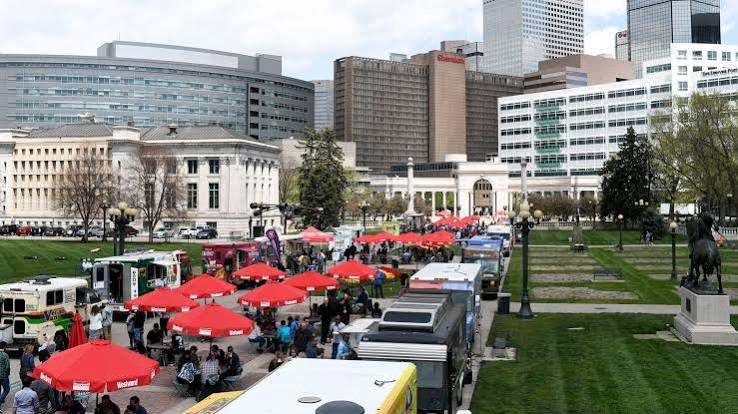
Every Wednesday and Thursday from 11 a.m. to 2 p.m., Bannock Street and the Great Lawn at Civic Center Park fill with a crowd that does not need much of an introduction.
There are museum staff on lunch break. State workers cutting through the park to avoid Broadway. Residents who have learned that a dozen or more food trucks beat cooking for one. People meeting friends, sitting in the grass, or grabbing lunch before heading back to an office, gallery, classroom, appointment, or home a few blocks away.
It is called Civic Center EATS. It runs every Wednesday and Thursday from May 13 through October 15 in 2026, with food trucks on Bannock Street and the Civic Center Park Great Lawn, plus musical entertainment from Youth On Record. It is one of those recurring Denver events that feels less like a special occasion once you live nearby and more like part of the neighborhood calendar. Check the current Civic Center EATS schedule and food-truck lineup.
Nobody who lives in the Golden Triangle needed a press release to find out about it. They showed up one Wednesday in May and never really stopped.
Three blocks away, on the same stretch of Bannock, something newer opened its doors in spring 2026: Olive & Finch’s fifth and largest location. The Golden Triangle café at 1140 Bannock Street includes a 14-seat bar, shared community tables, and a sidewalk patio that catches the afternoon sun. It is open daily from 7 a.m. to 9 p.m., which matters in a neighborhood where many nearby options either lean hard into breakfast, lunch, dinner, or museum traffic rather than covering the whole day. The Golden Triangle Creative District’s opening coverage describes it as the brand’s largest location and a downtown community gathering space.
It is the kind of opening that gets written up in local media, comes with a DJ set and live art, and creates the usual “have you been yet?” conversation among Denver people who care about restaurants.
But if you live here, that is not actually the whole story.
The story is that Golden Triangle already had a rhythm before Olive & Finch opened. The café is smart enough to fit into that rhythm rather than compete with it.
The Café Everyone Is Talking About
Olive & Finch Golden Triangle sits at 1140 Bannock Street, close enough to the Denver Art Museum that you can walk over on a lunch break and be back before your coffee gets cold.
The location matters because Golden Triangle is not a neighborhood built around one restaurant or one attraction. It is built around proximity. You are near Civic Center Park, the State Capitol, the Denver Art Museum, History Colorado, the Clyfford Still Museum, the Kirkland Museum, the Byers-Evans House Museum, galleries, government offices, downtown jobs, and the kind of everyday city life that happens when people are walking rather than driving from one isolated destination to another.
That makes a café open from early morning through the evening more useful than it might be in a more residential, car-dependent neighborhood. It can be breakfast before work, coffee before a museum visit, lunch after an appointment downtown, a meeting spot before a gallery event, or a place to sit down after a walk through Civic Center Park.
Founder Mary Nguyen has built Olive & Finch around the idea of a neighborhood gathering space rather than a destination restaurant. The Golden Triangle location feels like the clearest version of that idea: a business designed to look and feel like it belongs on the block rather than a business trying to become the only reason anyone comes to the area.
That distinction matters in Golden Triangle. The neighborhood already has public spaces, cultural institutions, recurring events, galleries, and a built-in pedestrian flow. The businesses that fit best are the ones that extend that existing rhythm.
What Was Already Happening on Wednesdays
Civic Center EATS is not a new idea that appeared because a café opened nearby. It is a recurring summer institution that predates most of the current restaurant openings along Bannock and around the park.
The schedule is simple: Wednesdays and Thursdays, May through mid-October, from 11 a.m. to 2 p.m. No cover charge. No reservation. Just food trucks, lunch-hour crowds, and whatever has the shortest line that day.
The Downtown Denver Partnership and Civic Center Park programming pair the food trucks with live performances from Youth On Record, which changes the feeling of the park. On a Wednesday afternoon, Civic Center can sound less like a government plaza and more like a block party that happens to sit next to the State Capitol. In 2026, the event returned to Bannock Street and the Civic Center Park Great Lawn during ongoing park renovation work. Westword’s 2026 Civic Center EATS coverage reported more than 50 participating food trucks and rotating vendors across the season.
This is the part a new café cannot replicate.
A restaurant, however good, is a single address. Civic Center EATS is neighborhood infrastructure. It is one reason a Golden Triangle resident’s Wednesday looks different from a Wednesday spent in another part of central Denver, and it costs nothing to participate beyond the lunch you decide to buy.
That is part of the appeal of living near Civic Center Park. You are not only buying proximity to a landmark. You are buying proximity to a public calendar.
For buyers who care about walkability, local events, public space, museums, and being able to leave the house without creating a whole plan around parking, that is a lifestyle consideration worth understanding before choosing a neighborhood. If you are comparing Golden Triangle with other central areas, explore my Denver Neighborhood Guides or read Most Walkable Denver Neighborhoods Ranked.
First Friday Is Part of the Neighborhood’s Operating System
The same logic applies to First Friday.
Denver’s most famous First Friday is in the Art District on Santa Fe, but Golden Triangle has its own cultural rhythm. The Golden Triangle Museum District and Creative District bring together museums, galleries, design spaces, and cultural institutions that make the neighborhood feel active after the office crowd leaves.
The draw is not just one gallery or one exhibition. It is the ability to walk between places that would otherwise feel disconnected if you were driving across town. You can move between museums, galleries, a drink, dinner, a talk, a pop-up, or an opening reception without constantly thinking about parking, rideshares, or where to leave your car next.
Denver’s broader First Friday culture is one of the easiest ways to experience the city’s creative neighborhoods, with galleries and studios opening late, special programming, live music, and people moving through streets that look very different from the same blocks on a regular weekday. Visit Denver’s First Friday guide is useful for checking current monthly programming across the city.
Golden Triangle’s version is not trying to be Santa Fe. That is the point.
Santa Fe is a crawl. Golden Triangle is a museum-and-gallery district with a more civic, design-oriented, and centrally located feel. It is quieter in some ways, more institutionally anchored, and closer to downtown, the Capitol, and Civic Center Park.
If you are the type of person who wants to live near cultural programming without necessarily living in the middle of LoDo nightlife, that distinction can matter.
The Boundaries Nobody Quite Agrees On
Here is a small but telling detail about Golden Triangle.
The Golden Triangle Creative District’s own materials have described the neighborhood footprint in slightly different ways over time. One page may refer to 45 blocks, another to 54. The general boundaries are typically understood as the area between Speer Boulevard, Colfax Avenue, and Lincoln Street, but the lived neighborhood experience does not depend on whether a particular map counts 45 blocks or 54.
That is not sloppiness so much as an honest reflection of how Golden Triangle works.
Its identity has never really been about a rigid boundary line. It is about what happens within roughly that area: the food-truck lunches, Civic Center programming, the museums that do not change addresses, gallery events, the Capitol, the design district, the restaurants along Bannock and Delaware, and the everyday ability to walk through a part of Denver that feels both downtown-adjacent and residential.
The exact block count is trivia. The calendar is the actual map.
That is also why generic neighborhood rankings do not always tell you whether a place will fit your life. A neighborhood can be technically walkable but still feel wrong for how you spend your weekends, where you work, whether you care about museums, how often you want to drive, or whether you want city energy without full downtown intensity.
For a deeper look at how I help buyers compare neighborhood fit beyond square footage and bedroom count, read The Denver Neighborhood You Think You Want vs. the One You’ll Actually Be Happiest In.
Why Civic Center Park Changes the Neighborhood
Civic Center Park is not just a pretty amenity next to Golden Triangle. It changes how the neighborhood functions.
It is one of Denver’s major civic spaces, positioned between the State Capitol, City and County Building, downtown, and the museum district. That makes it the natural answer whenever an organizer needs a central, visible, walkable place for a festival, community event, public celebration, food program, cultural event, or large gathering.
That comes with obvious upsides:
- You can walk to major events instead of making parking part of the experience.
- You have recurring food, music, arts, and public programming close to home.
- The neighborhood has more life than a purely residential area.
- Visitors and friends have an immediate reason to meet you near your home.
- Living near museums, galleries, and civic events gives the area a distinct identity.
It also comes with realities that buyers should understand:
- Some days are louder, busier, and more crowded than others.
- Major events can affect parking, traffic, and the feeling of the surrounding blocks.
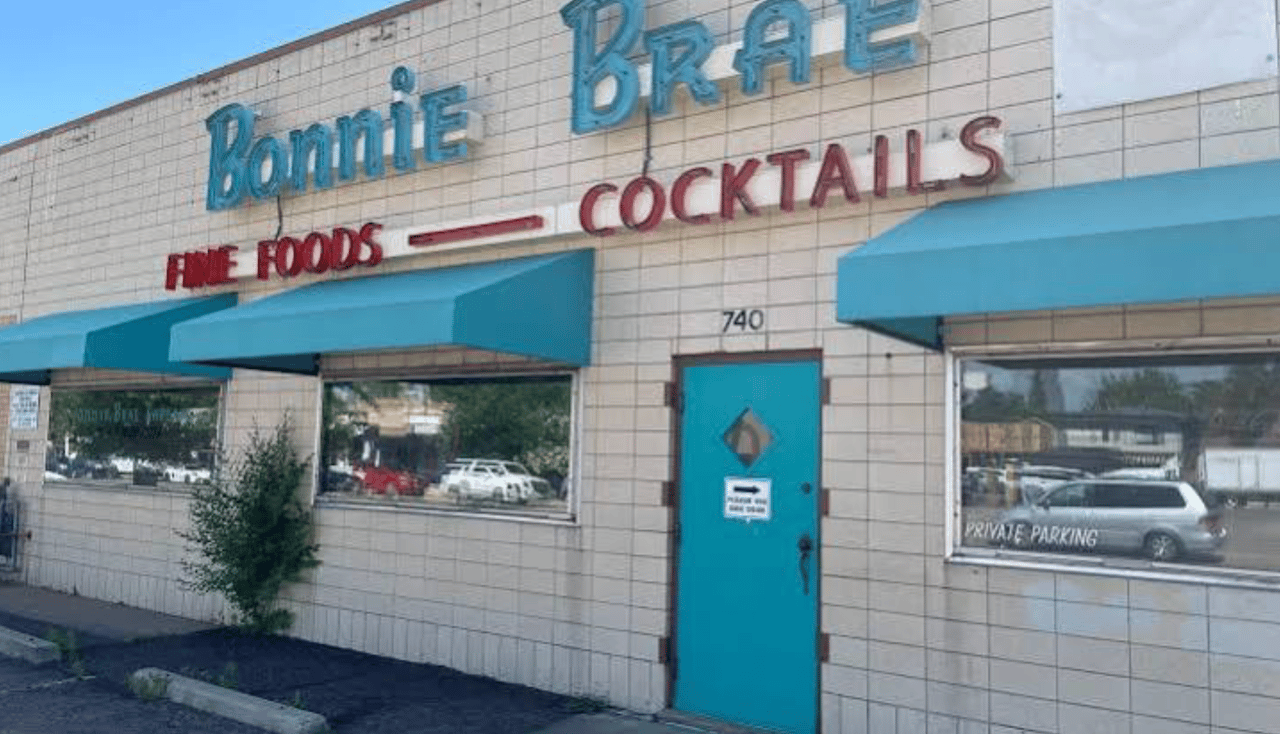
- The neighborhood is more public-facing than a quiet residential side street in Wash Park, Park Hill, or Bonnie Brae.
- Living near a major park means accepting that the park is shared with the entire city, not reserved for residents.
Neither side of that list is automatically good or bad. It depends on what you want.
For the right buyer, the ability to walk to food trucks, festivals, museums, galleries, the Capitol, downtown offices, and Civic Center programming is exactly the point. For another buyer, quieter streets, larger yards, private outdoor space, or a more residential rhythm may matter more.
That is why I encourage people relocating to Denver not to choose a neighborhood based solely on one afternoon visit. The day-to-day pattern matters. So does the weekend pattern. So does the event-calendar pattern.
If you are moving from out of state, start with my Moving to Denver Relocation Guide and read How to Buy a Denver Home From Out of State before narrowing your search based on a few listing photos.
What Living Here Looks Like Heading Into Fall
Golden Triangle tends to feel different as summer shifts into fall.
Civic Center EATS continues through October 15, so residents still have several weeks of Wednesday and Thursday food-truck lunches before the trucks pack up for the season. The neighborhood’s museum, gallery, and restaurant rhythm continues year-round, but the outdoor public-event calendar gradually changes.
In 2026, Civic Center Park hosts Panda Fest for the first time from September 25 through September 27. The festival brings Asian food vendors, tastings, market stalls, performances, and cultural activities to the park. Panda Fest Denver’s official event page lists Civic Center Park as the location and provides current tickets, hours, and event information.
That is a good example of why residents near Golden Triangle experience Denver differently from people who have to plan a full cross-city trip for every event. You still decide whether you want to attend. But the event is part of the background rhythm of your neighborhood whether you buy a ticket or simply walk past the activity on the way to coffee.
For the current seasonal calendar, it is always worth checking the official Civic Center Park events calendar, the Visit Denver events calendar, and the Golden Triangle Creative District directly. Events, construction activity, hours, and programming change, but the larger point remains the same: this part of Denver has a public calendar built into its location.
Why Olive & Finch Actually Fits
Put the pieces together.
Civic Center Park hosts regular food-truck lunches, seasonal festivals, public programming, and citywide events. The museum district gives people a reason to be in the neighborhood outside traditional office hours. Galleries and cultural institutions create their own recurring activity. Bannock Street acts as a connector between the park, government buildings, museums, and the blocks where people live.
Olive & Finch opened its largest location a few blocks from that park, with community tables, all-day hours, a bar, and a layout designed for people to gather.
The café is not trying to be a destination that pulls people away from Golden Triangle’s existing gravity. It is positioning itself as one more useful stop on the walk people were already taking.
That is the actual thesis here.
The businesses most likely to feel natural in Golden Triangle are the ones that extend the neighborhood’s public rhythm rather than compete with it. A restaurant that tries to be the only reason you come to the area is competing with the food-truck line, the museums, the galleries, Civic Center programming, and the fact that residents already have a full calendar within walking distance.
A business that becomes one more stop before a museum, after a park event, during a lunch break, or on the way home gets folded into the neighborhood without friction.
Golden Triangle Is Not for Everyone—and That Is Fine
Golden Triangle is not trying to be Wash Park. It is not trying to be Berkeley, Park Hill, Cherry Creek, LoHi, or a quiet suburban neighborhood with a larger yard and a two-car garage.
It is for people who want a more urban, cultural, centrally located version of Denver living.
That can mean:
- Walking to museums, galleries, restaurants, coffee, city events, and parks
- Being close to downtown without necessarily living in the middle of LoDo
- Having Civic Center Park and the State Capitol as part of your everyday visual environment
- Living in a neighborhood where public programming affects the rhythm of the week
- Accepting more activity, more people, and more event-day energy in exchange for location and access
- Prioritizing lifestyle, walkability, culture, and convenience over a large private yard
For some buyers, that is exactly the lifestyle they are looking for. For others, the same characteristics are reasons to look elsewhere.
The point is not that one neighborhood is better than another. The point is to know what daily life actually feels like before you buy.
Golden Triangle is especially worth considering if you are drawn to the energy of central Denver but want a neighborhood that has more than nightlife or office towers holding it together. Its identity comes from the mix: the museums, public institutions, galleries, parks, events, restaurants, historic homes, condos, and the people who actually use the area during the week.
The Underlying Pattern Does Not Depend on One Business
New businesses will keep opening on Bannock and Delaware Streets. Some will last. Some will not. That is normal in every city neighborhood.
What does not change as easily is the infrastructure around them: Civic Center Park, the museums, the Capitol, recurring food-truck lunches, galleries, cultural programming, public events, and the walkable connection between Golden Triangle and the rest of central Denver.
That is worth knowing if you already live here. It is also worth knowing if you are the kind of buyer who pays attention to a neighborhood’s habits before deciding whether you want to live somewhere like it.
If you are comparing Golden Triangle with other Denver neighborhoods, I can help you look beyond the listing photos and understand the tradeoffs: walkability, housing type, parking, public events, daily rhythm, resale considerations, proximity to downtown, and what the neighborhood actually feels like once you are no longer visiting it as a tourist.
Explore my Golden Triangle neighborhood guide, browse all Denver Neighborhood Guides, or read Best Denver Neighborhoods if you are still deciding where in the city you may fit best.
Thinking About Living in Golden Triangle?
If you are already part of the Wednesday lunch line—or you are curious what living in a neighborhood built around a public calendar actually feels like day to day—I am always glad to talk through what that looks like in practice.
A neighborhood is more than its average home price, number of bedrooms, or distance to downtown. It is the daily pattern: where you walk, where you get coffee, what happens outside your building on a Thursday afternoon, how you feel about event-day activity, and whether the neighborhood makes your normal life easier or more interesting.
Contact me when you are ready to talk through Golden Triangle, another Denver neighborhood, or the kind of lifestyle you are trying to build in the city.