By Sallie Simmons · Denver REALTOR®
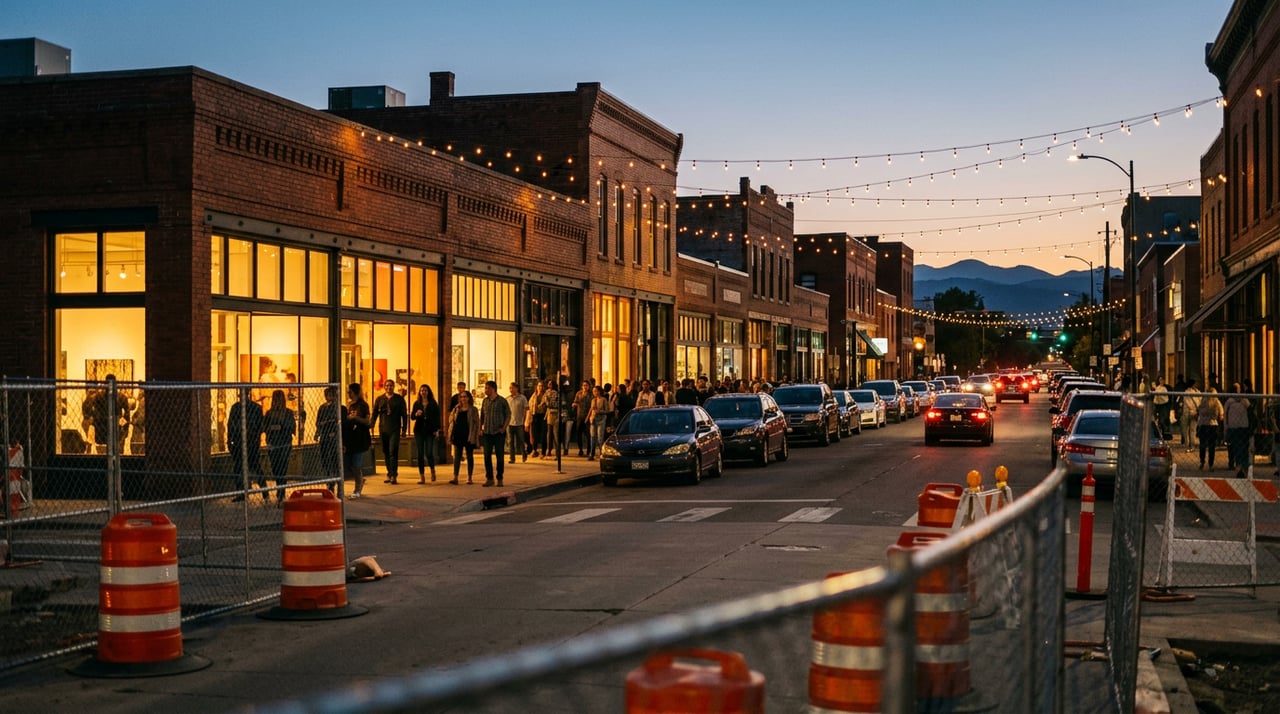
The independent businesses on the 600 block of East 13th Avenue sit only 38 house numbers apart. Jelly Cafe welcomes morning brunch crowds at 600. Poison Pit hosts underground music at 608. The Common Collective curates vintage apparel and local maker goods at 613, Hudson Hill crafts daytime espresso and evening cocktails at 619, and Wax Trax Records has anchored 638 for nearly half a century. Turn the corner at Pennsylvania Street, and the carved rhyolite stone of the Molly Brown House Museum greets you at 1340.
Denver residents have walked between these doors for decades. Wax Trax has sold vinyl on 13th Avenue since 1978, outlasting format shifts, streaming platforms, and cycles of neighborhood redevelopment. What changed in 2026 is that the merchants began organizing as a deliberate commercial collective. They now run a coordinated monthly event, and two venues that opened this fall extended that Saturday routine into a full weekend circuit. The third weekend of every month is when the schedule aligns, and this month that starts tomorrow, Friday, November 20, through Sunday, November 22.
A Foot-Traffic Pattern the Shops Made Official
In August, a coalition of independent merchants on and near 13th Avenue launched Third Saturdays on 13th, a recurring day of block-wide promotions, guest musical sets, and neighborhood discounts. Wax Trax communications manager Erica Pike explained the rationale to Denverite:
"There's a natural flow for customers here on 13th. They may be waiting for their table at Jelly Cafe and they swing by Wax Trax to browse through the records. Or maybe they're waiting for the Molly Brown House to open and they grab a coffee at Hudson Hill. We wanted to capitalize on that by making it official."
The inaugural event debuted on August 15. At Jelly, drag performers entertained brunch guests along the counter and out onto the sidewalk. Wax Trax hosted an all-vinyl set spun by KDJ Above. Kilgore Books distributed free books and stickers, while The Common Collective offered twenty percent storewide discounts. The Molly Brown House Museum introduced ten-dollar admission for local residents, and Hudson Hill booked live jazz from Lazer Dave. In a recap published on the Wax Trax blog, organizers noted that Landmark Tattoo planned to offer flash tattoo specials as the coalition expanded down the corridor.
Behind the monthly celebration, business owners are reviving the historic 13th Avenue Business Group to advocate across all of Capitol Hill. Merchant leaders have been canvassing small businesses along 6th, 7th, 9th, 11th, and 14th avenues to align on shared priorities, with Hudson Hill, The Common Collective, and Jelly Cafe serving as core organizers.
Jelly owner Josh Epps shared with Denverite that Capitol Hill's cultural identity had felt somewhat scattered in recent years, but collective organization brings renewed focus to the district. Molly Brown House director Andrea Malcomb echoed that sentiment, calling the micro-district a preserved island of authentic local character. As reported in a Westword drag brunch guide, Jelly's third-Saturday brunch at 1 p.m. has quickly grown into an established neighborhood anchor.
The Anatomy of a Micro-District: The 600 Block of East 13th
What makes the 600 block unique in central Denver is its density of distinct uses packed into a single walkable stretch. Each storefront serves a different part of the day, allowing visitors to spend hours on one block without moving a car.
- Wax Trax Records (638 E. 13th Ave.): Founded in Denver in 1978, Wax Trax is one of the oldest independent record stores in the country. The shop remains a cultural hub where music lovers flip through used crates, collect rare pressings, and catch intimate instore appearances.
- Jelly Cafe (600 E. 13th Ave.): Operating out of the corner storefront at 13th and Pearl Street, Jelly has been a breakfast staple for homemade donuts and daytime scrambles, serving as the morning starting point for foot traffic on the block.
- The Common Collective (613 E. 13th Ave.): A community-centered retail collective founded by stylist Tristan Bego that curates vintage apparel, sustainable home goods, plants, and art from regional creators.
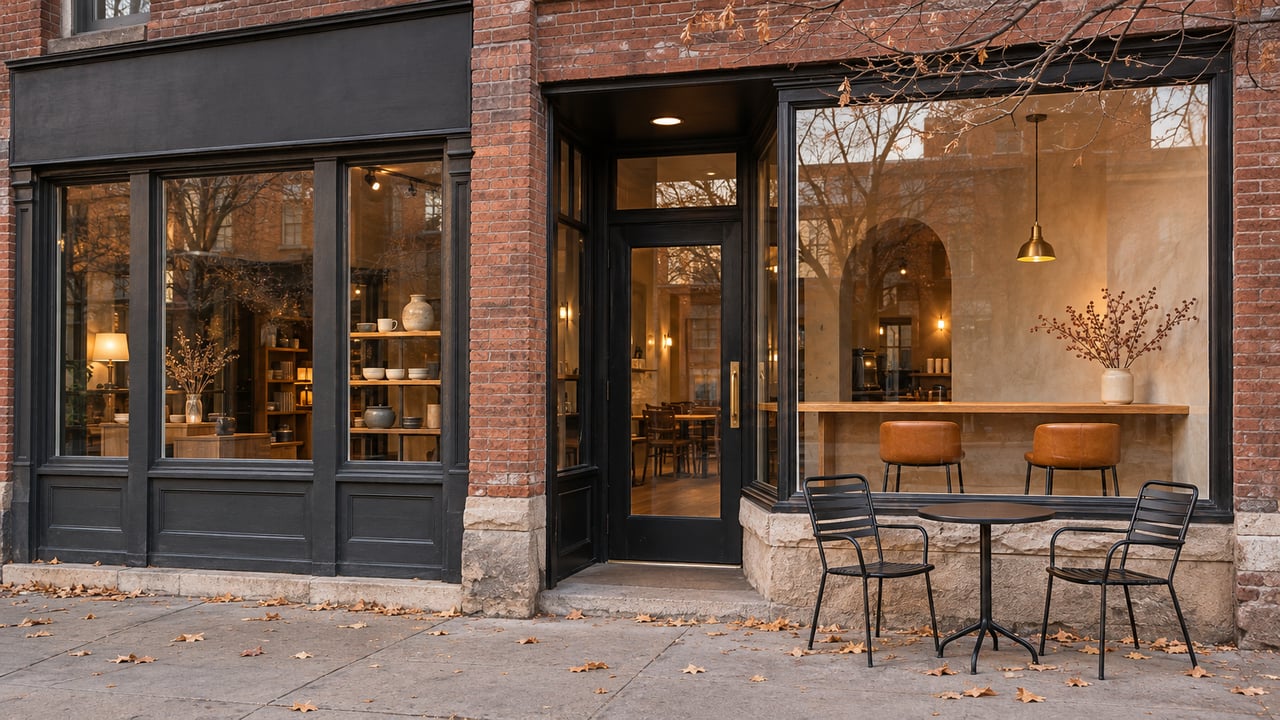
- Hudson Hill (619 E. 13th Ave.): Known for its floor-to-ceiling windows, mid-century furniture, and dedicated vinyl listening setup, Hudson Hill bridges the afternoon and evening with specialty coffee, aperitifs, and craft cocktails.
- Molly Brown House Museum (1340 Pennsylvania St.): Just steps around the corner, this preserved 1889 Victorian home of Titanic survivor Margaret Tobin Brown anchors the historic architecture that defines the residential pockets of Capitol Hill.
Two Fall Openings Expand the Weekend Hours
An afternoon spent thumbing through record crates, shopping vintage clothing, and touring museums covers daytime hours well. This autumn, two new venues joined 13th Avenue to frame that Saturday schedule from both ends.
Poison Pit, 608 East 13th Avenue
The room directly adjacent to Jelly Cafe has a storied history in Denver underground music, having operated previously as Snake Pit, Malfunction Junction, and Your Mom's House. Operators Jacob Williams and Andy George reopened the space as Poison Pit, an independent music venue designed to respect its gritty punk roots with modern mechanical and code updates. In addition to a three-hundred-person performance hall, the venue serves pizza through a partnership with Tua Mama's Pizzeria.
The booking calendar extends well beyond classic punk. The room welcomed Halloween crowds with an alternative goth lineup and introduced recurring dance events like Mixtape, an eighties and nineties alternative night featuring DJ Slave1 and guest selectors.
Wild Tulips, 1209 East 13th Avenue
Six blocks east, Wild Tulips Sapphic Bar and Lounge opened its doors on October 28. Following the spring closure of the Pearl on Colfax, owner Sabina Palermo launched the venture alongside former Pearl staff and community volunteers who helped paint interiors and build out the seating. As reported by OUT FRONT Magazine, the lounge opened with strong opening-week community turnout while awaiting its permanent liquor license in early December.
The space is built around consistent live performance. Weekly schedules feature community open-mic nights for comedy and poetry, Sunday drag brunches, and open-stage showcases for rising entertainers. Palermo emphasized an inclusive door policy that provides a comfortable social hub seven days a week.
Together, these additions transform a Saturday afternoon stroll into a complete weekend itinerary. Visitors can start with late-night music on Friday, spend Saturday afternoon supporting local retailers, and finish with Sunday brunch, all along the same walkable corridor.
Weekend Schedule at a Glance
Day and Time | Location | Featured Activity |
|---|---|---|
Friday, Nov. 20 (11 p.m. to 2 a.m.) | Poison Pit (608 E. 13th Ave.) | Rhythm Machine dark alternative, industrial, and darkwave dance night hosted by DJ Slave1. |
Saturday, Nov. 21 (1 p.m.) | Jelly Cafe (600 E. 13th Ave.) | Must Be Jelly monthly drag brunch; ticket reservations available on Jelly's website. |
Saturday, Nov. 21 (All Afternoon) | 600 Block of East 13th Avenue | Wax Trax guest DJ sets, vintage specials at The Common Collective, discounts at Kilgore Books, and live evening sets at Hudson Hill. |
Sunday, Nov. 22 (Daytime) | Wild Tulips (1209 E. 13th Ave.) | Weekly Sunday drag brunch and community lounge hours. |
Looking Ahead to the December Third Weekend
Next month brings two notable additions that round out the schedule even further.
At Wild Tulips, the team anticipates finalizing its beverage licensing by early December, transitioning the room from sober community gatherings to full bar service across its evening performances and brunches.
Around the corner, the Molly Brown House Museum begins its annual Winter Teas program. The ninety-minute seatings pair formal tea service with access to the historic home decorated in Victorian holiday style. Dates include December 5, 6, 12, 13, 19, and 20, with seatings at 10:15 a.m. and 1:15 p.m.
Because December 19 marks the official third Saturday of the month, a morning tea visit at 10:15 a.m. finishes just before Jelly's drag brunch kicks off down the street. Combined with Friday night programming at Poison Pit, December offers a seamless showcase of local preservation and modern grassroots arts.
What Walkable Micro-Districts Mean for Capitol Hill Real Estate
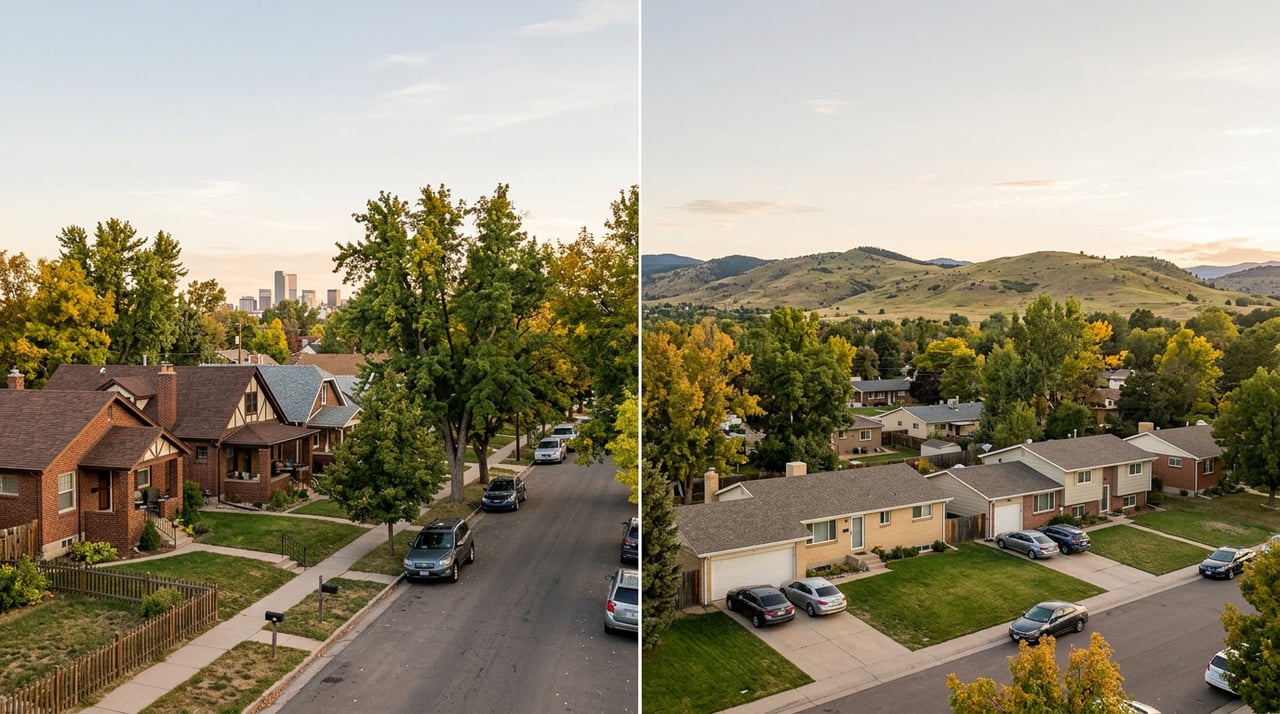
Distinct commercial energy like 13th Avenue is a major reason why homes in Capitol Hill hold enduring value. While suburban buyers often prioritize lot dimensions, urban Denver buyers deliberately trade private acreage for immediate walkability to historic bookstores, live performance rooms, and independent dining.
Capitol Hill is one of Denver's most architecturally diverse neighborhoods. On any single block between 11th and 14th avenues, you find Victorian mansions, turn-of-the-century Denver Squares, brick four-squares, and mid-century modern condominium buildings standing side by side. That architectural density means home values do not behave like a cookie-cutter master-planned community. A historic condo with deeded parking three blocks from Hudson Hill appeals to a very different buyer profile than a renovated rowhome closer to Cheesman Park.
When merchant groups collaborate to keep commercial streets vibrant, surrounding residential blocks benefit directly in several measurable ways:
- Consistent buyer demand: Neighborhoods with authentic cultural anchors remain top choices for local move-in buyers and out-of-state relocations who prioritize urban lifestyle over long highway commutes.
- Resilience during market shifts: Well-established, walkable central neighborhoods historically maintain stronger price floors during broader real estate normalization compared to outer-ring subdivisions.
- Pedestrian infrastructure improvements: Organized merchant groups have a stronger collective voice with the city when advocating for traffic calming, better lighting, and pedestrian safety enhancements that directly protect home values.
If you are exploring a move to the neighborhood, start your research with the Denver Buyer Game Plan. If you currently own a condo or historic home near 13th Avenue and want an accurate, street-level assessment of your market position, review the Denver Sellers Guide.
Whether you are considering buying, selling, or evaluating long-term equity near the corridor, reach out to Sallie Simmons to discuss your options.