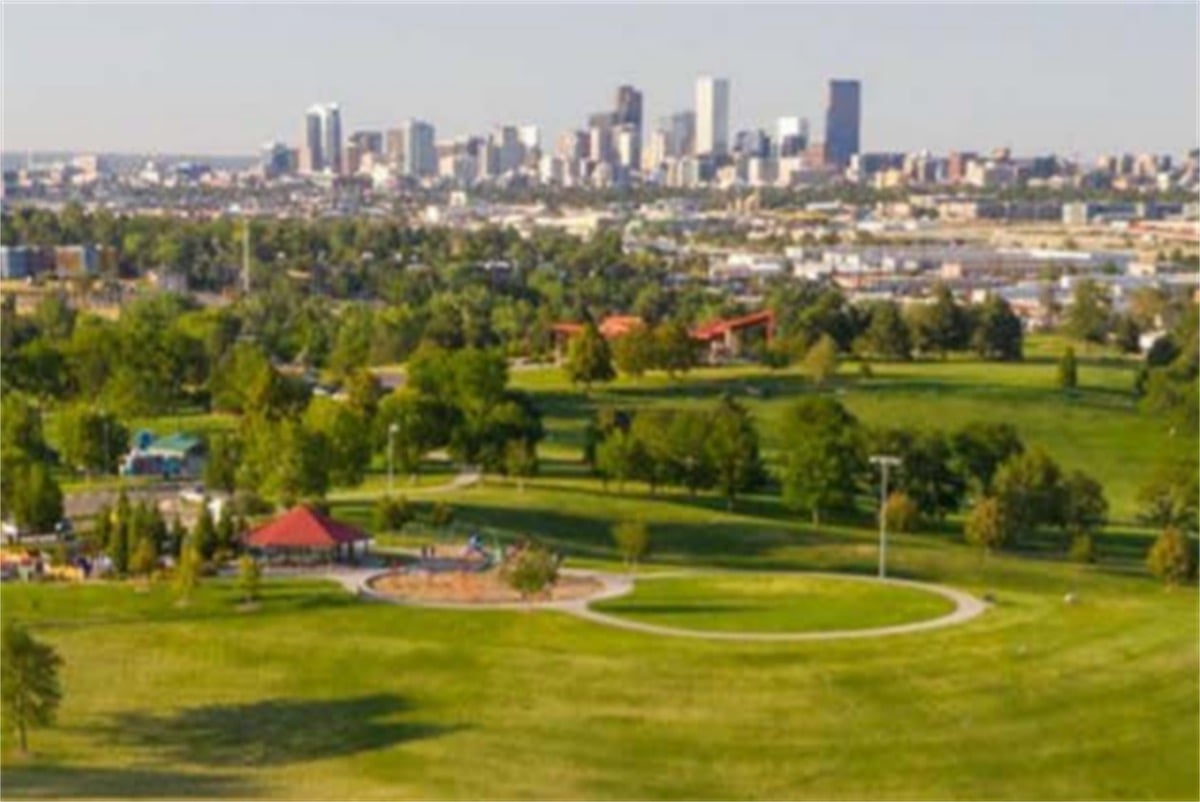
If you want a Denver lifestyle where you can actually live in your neighborhood—walk to coffee, dinner, parks, and errands—walkability matters just as much as square footage. Denver’s most walkable neighborhoods tend to cluster near downtown and the central city, but each one offers a different mix of housing, energy, and day-to-day convenience.
This guide ranks some of Denver’s most walkable neighborhoods and breaks down what daily life actually feels like in each one. I’ve also used your exact neighborhood URLs so this can work as real internal-linkable blog content on your site.
What walkability means
Walkability is not just about sidewalks. The neighborhoods that feel easiest to live in on foot usually combine restaurants, coffee shops, parks, grocery options, and services within a short distance, plus decent bike and transit access.
In Denver, areas like Capitol Hill, Downtown, and Five Points regularly rank among the most walkable parts of the city, while neighborhoods like Platt Park, Baker, and Washington Park blend walkability with more residential character.
1. Capitol Hill
Capitol Hill is one of the most consistently walkable neighborhoods in Denver and often lands at or near the top of citywide rankings. It’s packed with historic buildings, apartments, restaurants, bars, coffee shops, and everyday essentials, which makes it one of the easiest places in Denver to live car-light or even car-free.
Capitol Hill is a strong fit for buyers who want true urban energy, character, and convenience. If someone wants to step out the door and have options in every direction, this is usually one of the first neighborhoods worth exploring.
2. LoDo
LoDo is one of the best neighborhoods in Denver for buyers who want dense walkability, historic architecture, and easy transit access. With Union Station nearby, plus restaurants, nightlife, retail, and entertainment within a few blocks, LoDo makes it realistic to handle a lot of daily life without a car.
This area appeals most to buyers who want an urban lifestyle and don’t mind a little more activity, traffic, and noise in exchange for location and convenience. It’s especially attractive for people relocating from larger cities who want a familiar downtown feel.
3. Ballpark
Ballpark gives buyers many of the same benefits as downtown, but with its own identity built around Coors Field, warehouse lofts, bars, and fast access to the rest of the city. It remains one of Denver’s most walkable neighborhoods thanks to its compact layout and concentration of dining and entertainment.
For buyers who want a downtown-adjacent lifestyle with a little personality and strong access to nightlife, Ballpark deserves a close look. It’s especially appealing for condo and loft buyers who care more about location and activity than yard space.
4. Five Points
Five Points is one of Denver’s most dynamic walkable neighborhoods, blending historic roots with a fast-changing restaurant, bar, and cultural scene. Its proximity to downtown, transit access, and increasing mix of amenities have helped keep it near the top of walkability conversations.
This neighborhood works well for buyers who want energy, history, and access to some of Denver’s most active food and nightlife corridors. It also fits naturally into content around neighborhood change, new development, and where Denver is evolving fastest.
5. RiNo
RiNo stands out for buyers who care about walkability in the form of restaurants, breweries, art, and nightlife. While it still feels more industrial and in transition than some classic residential neighborhoods, it has become one of the city’s most lifestyle-driven areas.
RiNo is best for buyers who want an active, social environment and are comfortable with a neighborhood that still feels like it’s evolving. It may not be the right fit for someone looking for quiet and traditional charm, but it is a strong fit for buyers who want to be in the middle of what’s new.
6. Highland
Highland remains one of the most desirable walkable neighborhoods in Denver because it combines charm, dining, and proximity to downtown. Residents can walk to restaurants, shops, and neighborhood hangouts while still getting a more residential feel than they would in LoDo or Ballpark.
This is a great option for buyers who want walkability without being right in the middle of downtown energy. It offers a balance of city access and neighborhood character that continues to attract both local and relocating buyers.
7. Baker
Baker is one of Denver’s best neighborhoods for buyers who want walkability with edge and personality. South Broadway gives the area a strong identity, with restaurants, bars, vintage shops, and music venues all contributing to a lifestyle that feels active and distinctly Denver.
Baker tends to appeal to buyers who want historic homes and a little more character than newer condo-heavy districts. It’s highly walkable, but the vibe is more eclectic than polished, which is exactly why many buyers love it.
8. Platt Park
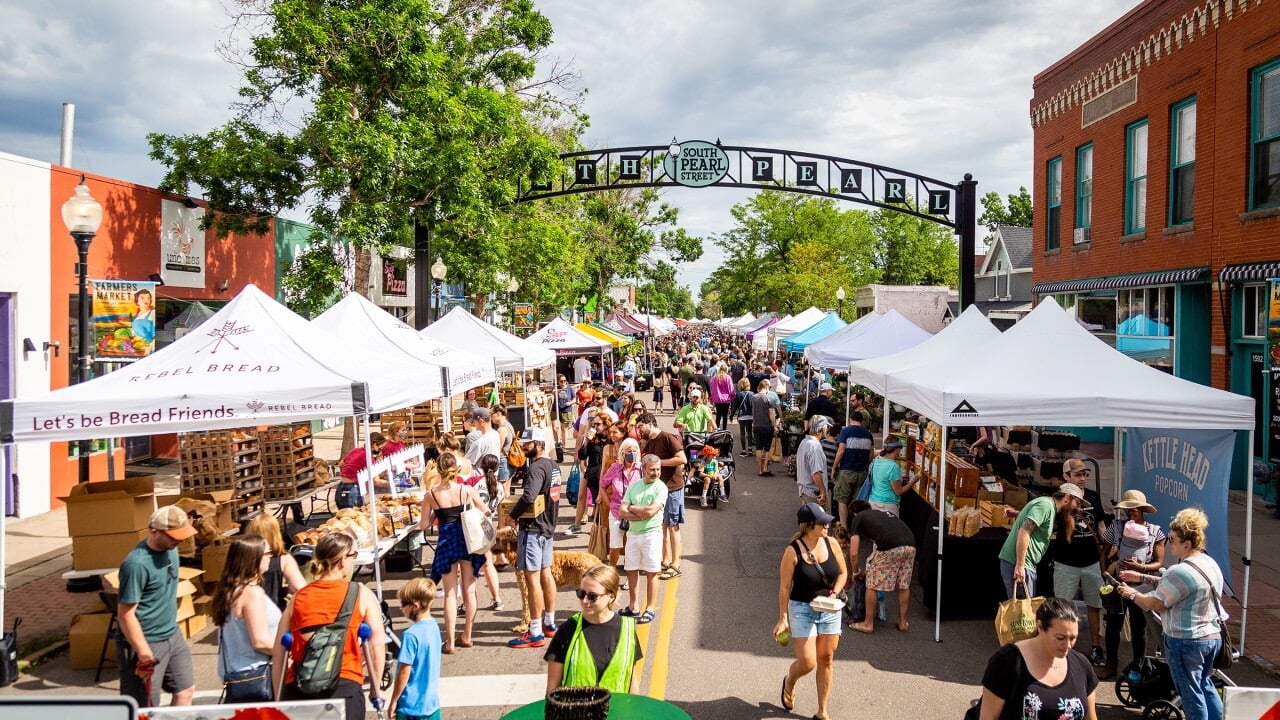
Platt Park offers a different kind of walkability—less downtown intensity, more neighborhood main-street feel. South Pearl Street gives residents easy access to restaurants, coffee shops, local retail, and community events, which makes the area feel both connected and personal.
For buyers who want a village feel and still value being able to walk to dinner or a weekend farmers market, Platt Park is one of the strongest options in the city. It’s especially attractive to buyers who want walkability with a little more warmth and community feel.
9. Washington Park
Washington Park is not as dense as Capitol Hill or LoDo, but it still ranks as one of the most desirable walkable neighborhoods in Denver because of the lifestyle it offers. Residents can walk to the park, trails, lakes, and nearby shops and cafés, creating a version of walkability built around outdoor living as much as restaurants and retail.
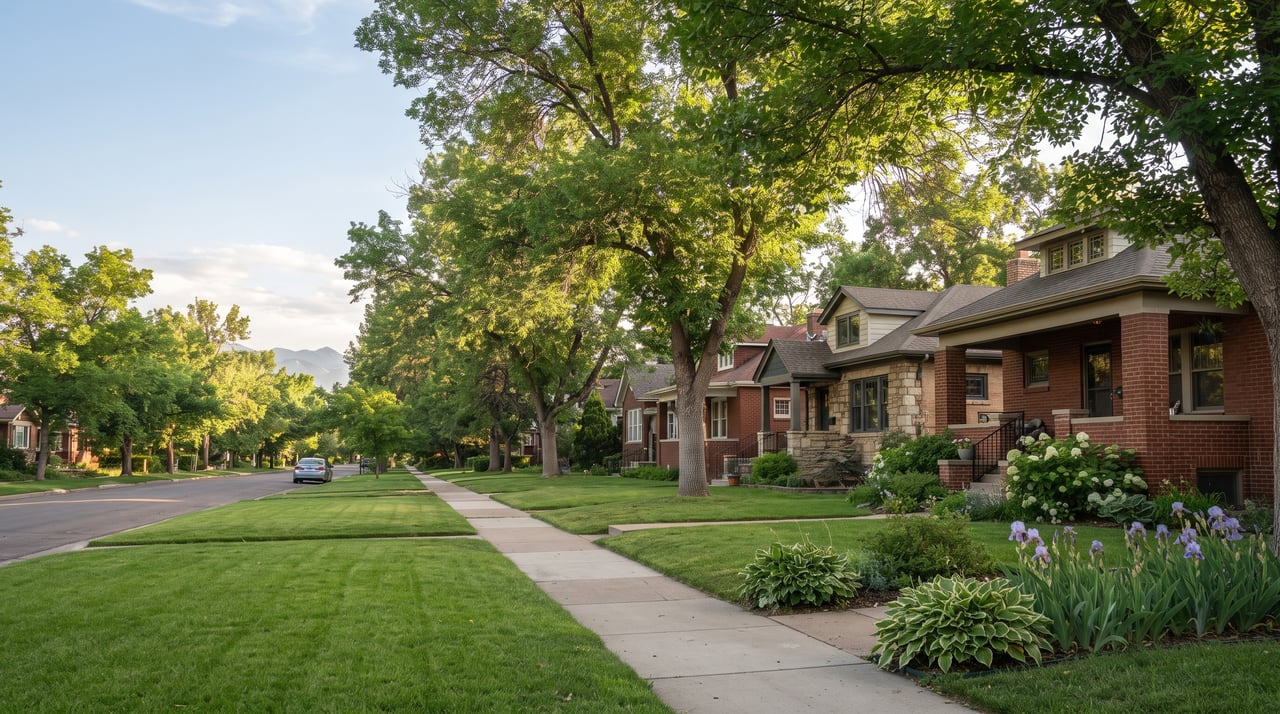
This neighborhood is ideal for buyers who want a more classic residential setting without giving up convenience. For many people, Wash Park hits the sweet spot between beauty, recreation, and neighborhood accessibility.
10. Uptown
Uptown is often overlooked in favor of Capitol Hill, but it remains one of the better choices for buyers who want a central location with strong restaurant and bar access. It combines walkability with a slightly calmer feel than some of the denser downtown-adjacent neighborhoods.
Uptown is especially appealing for professionals who want quick access to downtown, hospitals, and major job centers while still being able to walk to dinner and drinks. It gives buyers a central lifestyle without quite as much intensity as LoDo or RiNo.
Other neighborhoods worth considering
Depending on what “walkable” means to you, there are several other neighborhoods worth exploring. Cheesman Park, Speer, Alamo Placita, City Park, Congress Park and 7th Avenue Historic District, and Washington Park West all offer strong versions of walkable Denver living depending on whether you prioritize nightlife, green space, architecture, or a quieter residential feel.
That’s why walkability should never be treated as one-size-fits-all. The best neighborhood for one buyer may feel completely wrong for another depending on budget, housing style, and the kind of daily rhythm they want.
Which walkable neighborhood fits you best?
Some buyers want to be able to walk to bars, brunch, and late-night spots. Others care more about being able to walk to a park, a coffee shop, and a few neighborhood staples without living in the middle of downtown.
If you’re trying to narrow down the right fit, the best next step is to compare a few neighborhoods side by side based on lifestyle, price point, and housing type. Start with my full Denver neighborhoods page, then explore guides like Capitol Hill, Highland, Baker, Platt Park, and Washington Park to see which one matches your version of walkable Denver living.