If you are buying a home in Denver, your inspection is not just a checkbox — it is one of the most consequential decisions you will make in the entire transaction. This is where you uncover risk, protect your money, and determine whether a home actually makes sense — not just today, but five and ten years from now.
And in today's market, inspections are no longer just about the physical condition of a house. They are directly tied to what you will pay for homeowners insurance, what your long-term ownership costs look like, and whether the property will remain financially manageable after you close. Most buyers don't understand that connection until they're already under contract — and by then, the leverage to act on it is running out.
This guide covers everything you need to know: how to choose the right inspector, what to look for in Denver specifically, how the insurance landscape has changed, and what to do with the findings once you have them.
If you are still early in the process, I break the full buying process down step-by-step here: what it actually takes to win in Denver without overpaying.
Why Home Inspections in Denver Are Different From Most Markets
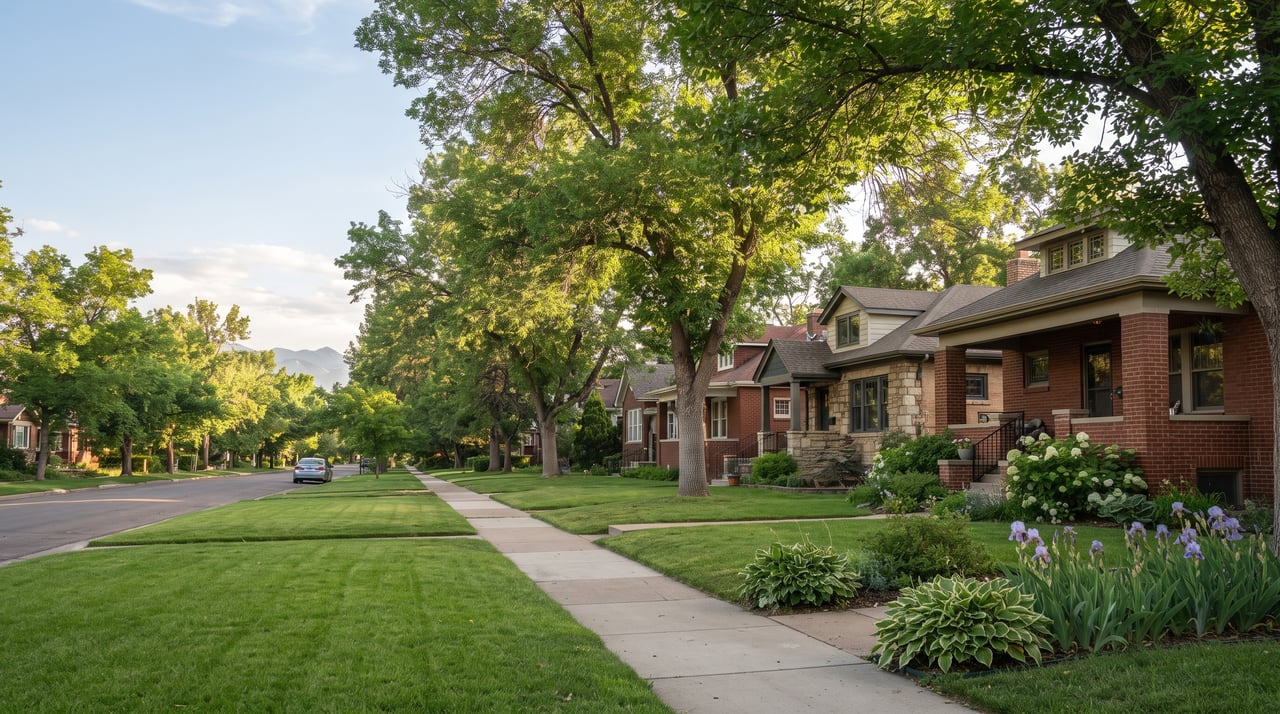
Denver is not a uniform housing market — and that matters enormously when it comes to inspections. Within just a few miles, you can go from a 100-year-old bungalow with original plumbing to a brand-new build with its own set of risks. Each property type carries a completely different inspection profile, and a good inspector needs to understand those differences intimately.
According to Axium Inspections' analysis of top Colorado home inspection issues, the most common problems found in Colorado homes include foundation concerns, roof damage from hail, outdated electrical systems, plumbing failures, and HVAC issues — many of which show up disproportionately depending on the age and location of the home. The specific risk profile you're walking into depends heavily on which neighborhood and which era of construction you're buying into.
Here's a quick breakdown of what you're typically dealing with by property type in Denver:
- 100+ year-old homes — Aging infrastructure, knob-and-tube or aluminum wiring, original cast iron plumbing, foundation settling, and deferred maintenance that can span decades
- Mid-century homes (1940s–1970s) — Outdated electrical panels, galvanized pipes nearing end of life, aging HVAC systems, and asbestos-containing materials in some cases
- Quick flips and investor renovations — Surface-level cosmetic updates that can mask underlying structural, plumbing, or electrical issues that weren't addressed in the renovation
- New construction — Builder shortcuts, incomplete work, improper grading, and warranty-related issues that may not surface until after closing
This becomes especially relevant depending on where you're buying. Older homes in Washington Park and Berkeley carry very different risk profiles from newer construction in Central Park. Character homes in Highland and West Highland require a different inspection lens than properties in Lowry or Central Park. Knowing which issues to prioritize in your target area is part of what a good buyer's agent brings to the table — and it starts before you ever schedule the inspection.
Not sure which Denver neighborhood fits your goals? Browse the full Denver neighborhoods guide to explore your options before you start touring homes.
The Insurance Reality in Colorado — Where Buyers Get Burned
Colorado has become one of the most expensive states in the country for homeowners insurance, and the primary driver is hail. Repeated severe hail events across the Denver metro have fundamentally changed how insurance companies write policies here — and the downstream effect on buyers is significant, often showing up as a surprise after they're already under contract.
According to the Insurance Information Institute, Colorado consistently ranks among the highest states nationally for weather-related property claims, with hail being the leading cause. That has led insurers to dramatically tighten their underwriting standards across the state — and that tightening directly affects what you'll pay, and what you'll actually be covered for, after you close.
Roof Coverage: The Biggest Hidden Cost Most Buyers Don't See Coming
Many buyers assume that if a roof "passes inspection," they're fine from an insurance standpoint. That assumption is no longer safe in this market. Insurance companies have significantly changed how they handle roof coverage in Colorado, and a roof that looks functional on inspection day can still create a major financial problem after closing.
Here's what's changed:
- Roofs over approximately 10 years old are increasingly ineligible for full Replacement Cost Value (RCV) coverage — meaning if the roof is damaged, the insurer pays the depreciated value, not what it costs to replace it
- Actual Cash Value (ACV) policies factor in depreciation, which can leave you with a significant gap between what insurance pays and what a new roof actually costs
- Some insurers require roof replacement as a condition of issuing a policy at all — meaning the deal can't close until the roof is addressed
- Hail deductibles are often percentage-based — typically 1–5% of the home's insured value — meaning on a $600,000 home, your out-of-pocket deductible on a hail claim could be $6,000 to $30,000
This is happening across Denver right now — not just in edge cases. And most buyers don't find out until they're already under contract and shopping for insurance. At that point, your options narrow quickly.
There is one important exception most buyers don't know about. I work with an insurance specialist who has access to a product that can still offer full replacement cost coverage on roofs over 10 years old — as long as the roof is in demonstrably good condition. Very few agents have access to this, and it has become a real advantage when evaluating homes with aging roofs. It can completely change the financial picture of a property that would otherwise look like a liability. If you're considering a home with an older roof and want to understand your options, reach out directly and I'll connect you with the right resource.
For a fuller picture of how insurance and other costs factor into owning a home in Denver, this breakdown is worth reading: what it actually costs to live in Denver in 2026.
What a Strong Home Inspector Actually Does
A strong inspector doesn't just find problems — they help you understand risk, cost, and timing. There's a significant difference between an inspector who hands you a 60-page PDF full of flagged items and one who walks you through what matters, what's urgent, what's cosmetic, and what will affect your insurance or long-term costs. You want the latter.
According to Home Inspection Denver's inspection standards, a comprehensive home inspection should cover the roof and attic, foundation and structural components, exterior and grading, electrical systems, plumbing, HVAC, insulation, windows and doors, and all visible interior systems. In Denver specifically, inspectors certified through InterNACHI or ASHI are generally held to a higher standard — those certifications are worth asking about when you're vetting candidates.
A strong inspector should clearly document and communicate:
- Estimated remaining life on the roof and major systems
- Any signs of hail damage or prior repairs that may affect insurability
- Structural concerns, even minor ones worth monitoring
- Safety issues that require immediate attention
- Deferred maintenance and its likely cost range
- Items specific to the home's age and construction type
Here's the part most buyers miss: the inspector identifies the issues. What you do with those findings — how you negotiate, what you ask for, and whether you walk or proceed — is where strategy determines your outcome. That's where your agent's role becomes critical.
Want to understand how inspection findings factor into your negotiation strategy? My post on what it takes to win in Denver without overpaying covers this in detail.
The Inspections You Should Always Consider in Denver
Not every inspection is required — but in Denver, several are strongly worth doing on almost every transaction. Here's what I recommend to my clients and why:
General Home Inspection
This is your foundation — a comprehensive visual evaluation of the structure, systems, roof, HVAC, foundation, electrical, plumbing, and all major components. This should always happen. Choose an inspector who is active in Denver specifically, familiar with the age range of home you're buying, and certified through InterNACHI or ASHI.
Sewer Scope Inspection
In older Denver neighborhoods, a sewer scope is not optional — it's essential. Tree roots invading clay sewer lines and aging pipe deterioration are extremely common in established neighborhoods, and a sewer repair or replacement can easily run $5,000 to $20,000 or more. A sewer scope typically costs $150 to $300 and is one of the highest-return inspections you can pay for. I recommend it on virtually every transaction in pre-1980s homes.
Radon Testing
Colorado's geology makes radon a genuine concern that cannot be detected without testing. According to the EPA, radon is the second leading cause of lung cancer in the United States, and Colorado has some of the highest radon levels in the country due to its soil composition. The Colorado Department of Public Health and Environment recommends testing every home. In Denver, you test every single time — no exceptions.
Roof Evaluation
Given the hail exposure and insurance implications described above, a dedicated roof evaluation — separate from or in addition to the general inspection — is often worth the additional cost. Many general inspectors will flag roof issues, but a roofing specialist can give you a much more precise read on remaining life, extent of hail damage, and what an insurer is likely to say about the property. On any home with a roof older than 8 to 10 years, I consider this close to mandatory.
Electrical Panel Inspection
Older Denver homes frequently have outdated electrical panels — Federal Pacific, Zinsco, or undersized service panels that can't handle modern electrical loads. According to local Denver home inspection specialists, faulty wiring is the leading cause of house fires, and knob-and-tube or aluminum wiring still exists in a meaningful number of Denver's older homes. If your general inspector flags anything electrical, a licensed electrician's second opinion is worth getting before you proceed.
Mold and Moisture Testing
Denver's climate is generally dry, but damp basements, improper grading, and historic drainage issues — particularly common in older Denver neighborhoods — can create moisture and mold problems that aren't always visible. If your inspector notes any signs of moisture intrusion, water staining, or musty odors in the basement or crawlspace, a dedicated mold test is a wise next step.
A Real Scenario — This Happens More Than Most Buyers Realize
Here's a situation I've seen play out more than once. A buyer goes under contract on a home in Highland. The general inspection comes back showing the roof is aging but functional — no active leaks, no major structural damage. The buyer decides to move forward. Everything looks fine.
Then they go to get homeowners insurance quotes. The first insurer declines to write a policy at all. The second offers coverage — but ACV only, with a 2% hail deductible. On a $650,000 home, that's a $13,000 out-of-pocket exposure on any future hail claim. A third insurer will write the policy, but requires roof replacement as a condition of coverage before closing.
Now the buyer is facing a five-figure unexpected cost that wasn't in their numbers — and they're close enough to closing that walking away feels painful and renegotiating feels rushed.
This is exactly why inspection strategy matters — not just the inspection itself. The findings don't just tell you about the house. They tell you what your insurance is going to look like, what your costs are going to look like, and whether the deal still makes sense at the agreed price.
How I Help Buyers Navigate the Inspection Phase
My job doesn't stop at handing you a list of recommended inspectors. I help you think through the entire inspection phase strategically — from choosing the right inspector for the property type, to interpreting findings correctly, to understanding the insurance implications before you decide whether to negotiate or walk.
After every inspection, I help my clients sort findings into three clear categories:
- Deal breakers — Issues that fundamentally change the value proposition or create unacceptable risk. These are the findings that may warrant terminating the contract or requiring significant seller concessions before proceeding.
- Negotiation opportunities — Material issues that are real and documentable, where asking for a price reduction, credit, or repair is reasonable and likely to be accepted.
- Normal ownership expectations — Items that are typical for the age and type of home that every buyer should expect to address over time. These are not negotiation points — and treating them as such can damage your position unnecessarily.
Knowing which bucket each finding falls into is one of the most valuable things an experienced Denver agent brings to the inspection phase. If you want to avoid the most common and costly mistakes buyers make in this market, this post is a good place to start: common mistakes Denver home buyers make — and how to avoid them.
You can also read what past clients have said about working through this process with me at salliesimmons.com/testimonials.
Ready to understand what the buying process looks like end to end? Grab the Denver Buyer Game Plan — it walks you through every phase from search to close so nothing catches you off guard.
Frequently Asked Questions
How do I choose a home inspector in Denver?
Look for inspectors certified through InterNACHI or ASHI, with active experience in Denver and familiarity with the age range of home you're buying. Ask how many inspections they complete per week (busier is not always better — you want thoroughness), whether they allow buyers to attend, and how their reports are delivered. A good inspector will walk you through findings in person, not just email you a PDF.
Is a sewer scope inspection necessary in Denver?
In most older Denver neighborhoods, yes — strongly recommended. Tree roots infiltrating clay sewer lines and deteriorating pipes are extremely common in established areas. A sewer scope typically costs $150 to $300 and can identify problems that would cost $5,000 to $20,000+ to repair after closing. It's one of the highest-value add-on inspections available.
Is radon testing necessary when buying a home in Denver?
Yes, every time. Colorado's geology produces some of the highest radon levels in the country. The EPA identifies radon as the second leading cause of lung cancer in the US, and the Colorado Department of Public Health and Environment recommends testing every home. Radon mitigation systems, if needed, typically cost $800 to $2,500 — a very manageable repair that you want to know about before you close.
What is the difference between RCV and ACV roof coverage?
RCV (Replacement Cost Value) covers the full cost of replacing your roof at current market rates, with no deduction for age or depreciation. ACV (Actual Cash Value) factors in depreciation — so on a 15-year-old roof, you might receive only a fraction of what actual replacement costs. In Colorado's hail-heavy environment, the difference between RCV and ACV coverage can be tens of thousands of dollars. Understanding which type of coverage a property will qualify for before you close is essential.
Can I get full replacement cost coverage on an older roof in Denver?
In some cases, yes — but it requires working with the right insurance specialist. Many standard carriers limit RCV coverage on roofs over approximately 10 years old. However, certain specialized products can still offer full replacement cost coverage on older roofs if the roof is in demonstrably good condition. This is something I can help you navigate through my network. Reach out directly if you're evaluating a property with an aging roof.
What are the most common issues found in Denver home inspections?
According to local inspection specialists, the most frequently flagged issues in Denver homes include roof damage or aging, foundation settling or drainage problems, outdated electrical panels (particularly Federal Pacific or Zinsco panels), aging plumbing in pre-1980s homes, HVAC systems past their service life, and evidence of hail damage. The specific issues vary significantly based on the age and neighborhood of the property.
What should I do if the inspection reveals major issues?
Don't panic — and don't automatically walk away. Every finding needs to be evaluated in context: what it will cost to address, whether it's a safety issue, how it affects insurability, and how it changes the value of the home at the agreed price. A strong buyer's agent will help you categorize findings into deal breakers, negotiation opportunities, and normal ownership expectations — and then build a strategy around that framework. Read more about navigating this process in my guide on what it takes to win in Denver.
Buying a Home in Denver? Let's Make Sure the Inspection Phase Works for You.
The inspection phase is where buyers either protect themselves or get caught off guard — and in Denver's market, the difference between those two outcomes almost always comes down to preparation and strategy, not luck.
I work with buyers every day who are navigating exactly this: aging roofs, insurance complications, sewer scopes that reveal five-figure repairs, and inspection findings that need to be translated into a clear next step. My job is to make sure you walk into this phase knowing what to look for, what to ask, and what your options are — so nothing surprises you after you've already committed.
Start by reading what past clients have said about working through the buying process with me at salliesimmons.com/testimonials. Then grab my Denver Buyer Game Plan for a complete walkthrough of every phase from search to close. And when you're ready to talk through your specific situation — whether you're early in the process or already under contract — reach out directly.
The inspection is your best opportunity to protect your investment. Let's make sure you use it right.