Should You Buy a Fixer-Upper in Denver? How to Tell a Good Opportunity From a Money Pit
Some ugly houses are great buys. Some cheap houses are expensive mistakes. Here is how I help Denver buyers tell the difference before they get in too deep.
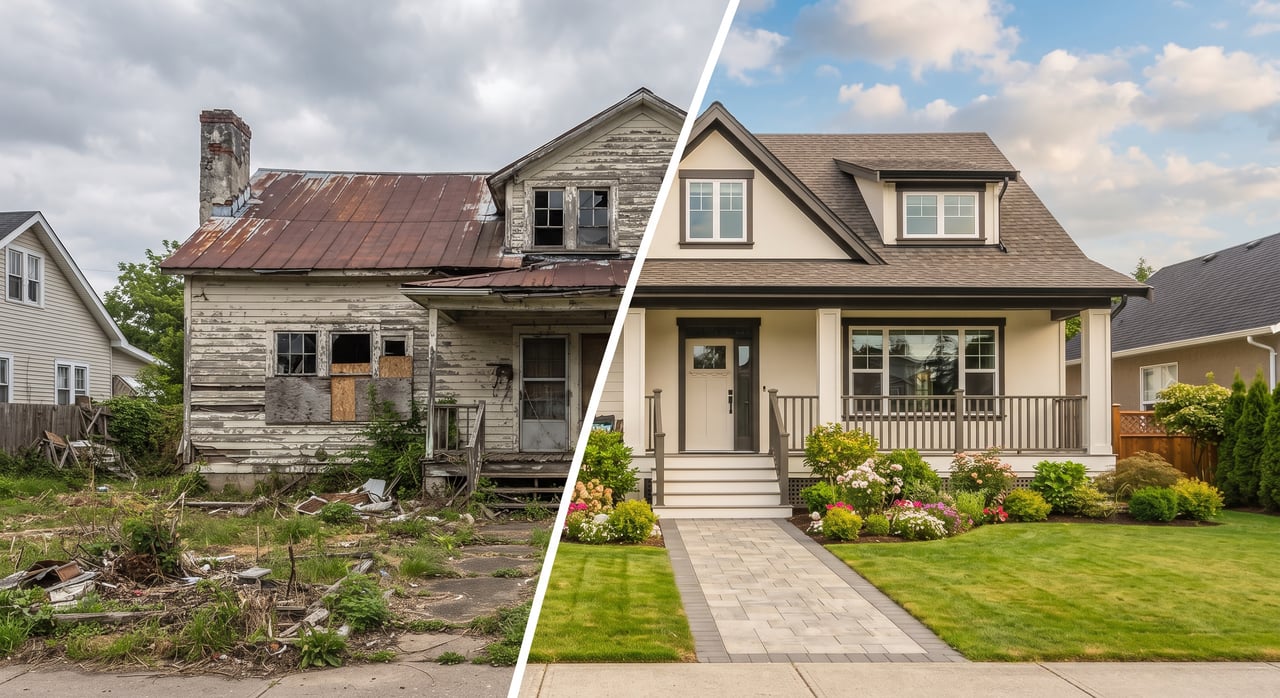
Denver buyers see houses every day that photograph terribly, have ancient kitchens, weird paint, old carpet, dated bathrooms, ugly landscaping, or clearly need some work.
That does not automatically make them bad houses.
In fact, sometimes the house everyone else scrolls past is exactly where a buyer finds an opportunity. Buyers often react emotionally to bad paint, stained carpet, wallpaper, dated finishes, and a kitchen that looks like it has not changed since 1987. Those things can reduce competition, make a house feel less exciting online, and create an opening for the buyer who can see past the ugly.
But there is a huge difference between:
“This house needs $20,000 worth of stuff I would like to change.”
And:
“This house has $80,000 worth of stuff I have to fix.”
Sometimes the second house looks prettier than the first one.
A newly painted house can still have a sewer line nearing failure, an aging roof that will be difficult to insure, water-management problems, an outdated electrical panel, unpermitted work, or a foundation issue that deserves a much closer look. Meanwhile, a house with ugly carpet and dated cabinets may have a sound roof, functional systems, a good layout, and a price that creates room for improvements over time.
The question is not whether a house needs work. The question is what kind of work it needs, how soon it needs it, what it could cost, and whether the price of the house accounts for it.
That is how you decide whether a Denver fixer-upper is a real opportunity or a financial headache waiting to happen.
First, Separate “Ugly” From “Expensive”
This is one of the most important distinctions a buyer can make.
Not every ugly house is a problem. Not every expensive problem is obvious. And not every inspection finding means you should walk away.
The goal is to separate the things that make a house feel outdated from the things that can materially change the cost, risk, timing, and ownership experience after closing.
Cosmetic Problems That May Actually Create Opportunity
These are the things buyers often react to immediately because they are visible. They may be annoying, unattractive, or dated, but they do not necessarily mean the house is fundamentally unsound.
- Paint colors you hate
- Old carpet
- Dated light fixtures
- Old cabinet finishes
- Ugly but functional countertops
- Dated bathrooms that still work
- Wallpaper
- Old appliances that are still operational
- Outdated flooring
- Landscaping that needs attention
- Window treatments from another era
- Furniture and decor that make a house look worse than it is
These are often the things that make buyers say, “I could never live here,” when what they really mean is, “I do not want to spend my first few weekends painting and replacing carpet.”
That reaction can create opportunity.
If the house has a good location, usable layout, solid systems, a practical lot, and an asking price that reflects its condition, cosmetic work may be exactly what lets a buyer get into a neighborhood or house type that would otherwise be out of reach.
You can change paint. You can replace flooring. You can update fixtures. You can renovate a kitchen in phases. You can live with an old bathroom for a while if it functions and the layout works.
What matters is whether you genuinely like the house underneath the cosmetic problems.
Problems That Can Change the Entire Financial Picture
Then there are issues that may require more investigation, more money, faster action, or a different decision altogether.
- Structural concerns
- Sewer-line problems
- Roof replacement
- Electrical issues or outdated electrical systems
- Plumbing-system concerns
- Drainage and water intrusion
- Foundation movement
- HVAC replacement
- Significant window replacement
- Mold or moisture issues
- Unpermitted additions or major alterations
- Unsafe decks, stairs, railings, or exterior structures
- Major deferred maintenance that affects multiple systems at once
None of these automatically means “run.”
A house needing a roof is not necessarily a bad purchase. A house needing a sewer repair is not necessarily a bad purchase. A house with an aging furnace is not necessarily a bad purchase. The numbers have to work, the timing has to work, and the house has to offer enough upside to justify accepting the work.
But these are not issues to casually estimate from a Google search, an inspection report photo, or a seller’s verbal explanation.
They deserve real investigation.
The Price Tag Is Not the Only Number That Matters
This is where buyers get tripped up.
A listing price is important, obviously. But it is not the whole number you should evaluate when you are considering a house that needs work.
The practical number is closer to:
Purchase price + immediate required work + near-term work + your available financial breathing room.
That is not an appraisal formula. It is not a promise about resale value. It is simply a more honest way to evaluate what you may be taking on.
Consider three hypothetical homes:
- House A: $600,000 and beautifully updated.
- House B: $550,000 but needs around $30,000 in clearly identified work.
- House C: $525,000 but may need $100,000 or more in structural, sewer, roof, drainage, electrical, or renovation work.
House B may be the best value if the work is manageable, the house is otherwise sound, the buyer has reserves, and the price reflects the condition.
House C may be a great deal for a buyer with experience, cash, patience, contractor relationships, and a clear renovation plan. Or it may be the most expensive choice in the group once the real scope of work becomes clear.
The cheapest listing is not automatically the cheapest house to own.
And the most expensive listing is not automatically the worst value.
When I help buyers compare properties, I do not just ask, “Can you afford the purchase price?” I ask what the house will require from you after closing: financially, practically, emotionally, and in terms of time.
How Soon Does the Work Actually Need to Be Done?
Buyers often look at a house with a long list of issues and mentally add everything together as if they will need to write one enormous check the day after closing.
That is usually not how homeownership works.
But sometimes several major systems really are reaching the end at once. That is a very different situation from a house with one large repair plus a handful of cosmetic projects you can address over time.
I like to separate work into three buckets.
Work That Needs Attention Immediately
This is work that may involve safety, active damage, major system failure, a serious insurance issue, or something that could get significantly worse if ignored.
- Active roof leaks
- Serious sewer-line failures or backups
- Unsafe electrical conditions
- Major water intrusion
- Serious drainage problems directing water toward the foundation
- Failed heating systems during cold weather
- Significant structural concerns requiring immediate stabilization or repair
- Safety concerns involving stairs, decks, railings, or exposed hazards
This category does not necessarily make the house a bad buy. But it means the buyer needs clear information before moving forward. You need to understand the repair, likely scope, timing, cost, and whether the seller, buyer, or both parties will address it under the contract.
Work That May Need Attention Soon
This is the category where timing and reserves matter.
- An older roof approaching the end of its useful life
- HVAC equipment nearing replacement age
- Older appliances that still work but may not have much life left
- Deteriorating exterior paint, siding, trim, or caulking
- Older windows with performance concerns
- A water heater nearing the end of its expected life
- Older plumbing or electrical components that should be evaluated
- Minor drainage improvements that should be completed before they become bigger water problems
These are not necessarily emergency expenses. But buyers should not pretend they do not exist.
If you buy a home with an older roof, aging HVAC, older windows, and an original water heater, you may not need to replace all of them immediately. But you should have enough financial breathing room to deal with the fact that several systems may ask for attention during the first few years of ownership.
Work That Can Wait Until Someday
This is the stuff that buyers often want to change, but do not need to change in order to safely and comfortably live in the house.
- Cosmetic kitchen updates
- Dated bathrooms
- Paint and flooring
- Lighting fixtures
- Cabinet refinishing or replacement
- Landscaping improvements
- Replacing functional appliances because you prefer a different style
- Removing wallpaper
- Finishing a basement that already functions as storage
This distinction matters because it helps buyers avoid two opposite mistakes.
The first is walking away from a fundamentally good house because it does not look like an updated Instagram listing.
The second is buying a house with several expensive near-term problems and telling yourself, “We can always deal with that later,” when you do not actually have the money, time, or appetite to do so.
The Denver Problems I Pay Particular Attention To
Denver has plenty of older homes, remodeled older homes, additions, converted basements, historic housing stock, changing soil conditions, hail exposure, and neighborhood-by-neighborhood differences in utilities and infrastructure.
That does not mean older Denver homes are bad investments. Some of my favorite homes in Denver are older homes with character, mature trees, established neighborhoods, practical lots, and construction details you do not always get in newer homes.
It means you need to understand what you are buying.
Sewer Lines and Older Materials
In older Denver neighborhoods, sewer lines deserve real attention. Older homes may have clay, cast iron, Orangeburg, or other aging materials. Tree roots, shifting soil, pipe deterioration, offsets, cracks, bellies, and blockages can all affect the line.
A general home inspection may identify signs of concern, but a sewer scope can provide property-specific information about the line itself.
A sewer repair or replacement is not automatically a deal killer. The issue is whether you know the condition, understand the likely scope, get the right professionals involved, and account for the cost in your decision.
Foundation Movement Versus Normal Settlement
Denver homes can have cracks. Some cracking is common in older homes and may be stable or cosmetic. Some cracks deserve closer evaluation because they could indicate movement, drainage problems, soil issues, or structural concerns.
Do not let anyone casually dismiss every crack as “normal,” and do not assume every crack means a foundation disaster.
What matters is the pattern, size, location, condition, whether there is displacement, whether doors or windows are affected, whether water is entering, and what a qualified professional says after looking at the actual home.
I have seen properties with cracks that were professionally evaluated, found to be stable, and repaired or sealed to help prevent water intrusion and further deterioration. I have also seen situations where the right answer was to bring in a structural engineer before deciding whether the house still made sense.
Grading, Drainage, and Water Management
Water should move away from the house, not toward it.
Pay attention to grading, gutters, downspouts, extensions, window wells, landscaping, drainage paths, sump pumps, and any evidence of water intrusion in basements or crawl spaces.
A sump pump is not automatically a red flag. In many homes, it is part of a perimeter drain system designed to collect and direct water away from the foundation. The important questions are whether the system appears functional, whether the home shows signs of recurring moisture issues, and whether the drainage strategy makes sense for the property.
Older Electrical Systems and Panels
Older homes may have electrical systems, panels, wiring, outlets, or service capacities that deserve closer evaluation.
Some buyers plan to add central air, finish a basement, install an EV charger, add higher-demand appliances, renovate a kitchen, or update the home’s electrical load. An electrician can help determine whether the existing system supports those plans and what upgrades may be necessary.
Again, an older panel does not automatically mean you should walk away. It means you should understand the condition, safety considerations, upgrade path, and likely cost.
Galvanized Plumbing and Older Supply Lines
Older plumbing systems can create different concerns depending on the material, age, condition, water pressure, visible corrosion, flow, and scope of prior updates.
Some homes have had partial plumbing updates, which can be perfectly workable. Others may have older supply lines or drain systems that should be evaluated by a plumber before you assume a simple fixture update will solve the issue.
Roof Condition, Hail, and Insurability
Colorado hail is not theoretical. Roof condition can affect not only your future repair budget but also your insurance options and premiums.
When a roof is nearing the end of its life, damaged, patched repeatedly, or made with materials that may be difficult to insure, buyers should understand the condition before closing. A qualified roofer can provide more useful detail than a buyer attempting to estimate roof life from the driveway.
It can also be worth asking whether a roof replacement could include impact-resistant Class 4 shingles. Depending on the insurer and policy, those shingles may qualify for insurance discounts, though buyers should confirm any potential savings directly with their insurance provider.
Radon
Radon is not a “fixer-upper issue.” It can affect new and old homes, expensive and inexpensive homes, homes with basements and homes without them.
Denver is in EPA Zone 1, and Denver public-health guidance notes that the average home is likely to exceed the EPA action level of 4.0 pCi/L. Testing is the only way to know the level in a specific property. Read my complete guide to radon in Denver homes, testing, mitigation costs, and Colorado contract considerations.
A radon result is not automatically a reason to terminate a contract. It is a reason to understand the result, evaluate the mitigation path, obtain an appropriate quote when needed, and negotiate thoughtfully based on the contract and the overall property.
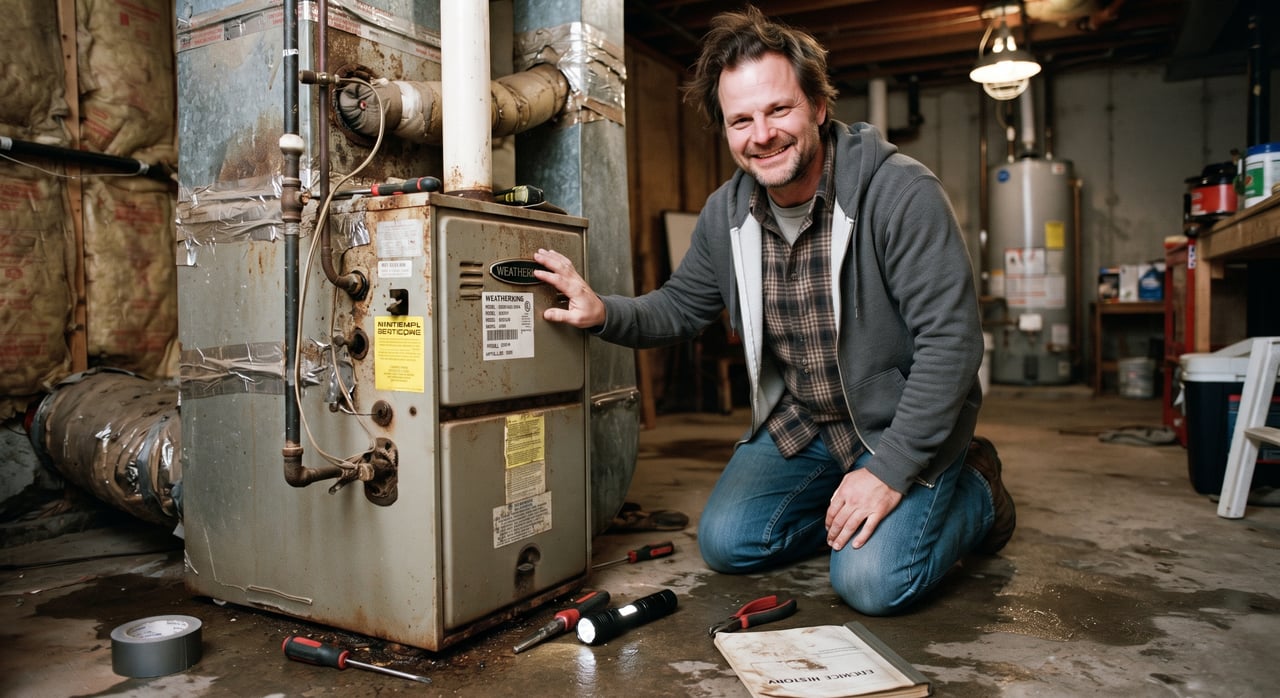
Older HVAC Systems
An older furnace or air-conditioning system may still function well. It may also be approaching replacement, operating inefficiently, or show signs that deserve a closer look.
An HVAC contractor can evaluate the system, explain its condition, identify material concerns, and provide a quote if replacement is likely. That gives a buyer something better than a vague line in an inspection report saying the system is “near the end of its useful life.”
Additions, Converted Spaces, and Permits
Denver homes often have additions, basement finishes, converted garages, enclosed patios, attic spaces, or prior remodeling work.
Some of that work may be well executed and properly permitted. Some may be older, incomplete, unpermitted, or difficult to verify. Permitting is not about being fussy for the sake of it. It can affect safety, insurance, future renovation plans, financing, resale questions, and the buyer’s understanding of what they are actually purchasing.
If a space is important to your decision, do not assume it is legally finished, permitted, heated, or included in the square footage simply because it is staged as a bedroom, office, or family room.
Older Windows and Exterior Components
Old windows can mean many things. They may be drafty, difficult to operate, inefficient, damaged, or simply dated. Exterior trim, siding, paint, caulking, decks, porches, and fencing can also range from cosmetic projects to real maintenance issues.
The key is not to panic over age alone. It is to understand functionality, water management, condition, safety, timing, and cost.
Trees, Root Intrusion, and Mature Lots
Mature trees are one of the reasons buyers love established Denver neighborhoods. They can also affect sewer lines, foundations, roofs, drainage, and maintenance.
That does not mean mature landscaping is a negative. It means you should evaluate the entire property, including tree condition, root proximity, drainage, and any evidence that roots have affected underground lines.
Expansive Soils Where Relevant
Some Denver-area locations have soil conditions that deserve more attention than others. If the inspection, visible conditions, neighborhood history, or a property-specific concern raises questions, that is a reason to investigate with the right professional.
These are not reasons not to buy older Denver homes. They are reasons to understand what you are buying before you remove your inspection contingency.
Do Not Guess What a Repair Costs
A home inspector identifies concerns. That does not necessarily tell us exactly what is wrong, what repair is appropriate, what it will cost, or whether the concern is urgent.
When something material comes up, you may need an actual specialist.
- Structural engineer
- Sewer company
- HVAC contractor
- Roofer
- Electrician
- Plumber
- Radon measurement or mitigation professional
- Drainage, landscaping, or foundation specialist
- Qualified contractor for an addition, deck, or renovation concern
Real quotes matter.
A buyer Googling “foundation repair cost” at midnight and assuming the first number applies to the house they are buying is not useful due diligence. Foundation work can mean dramatically different things depending on the cause, location, engineering recommendations, drainage conditions, access, soil, and scope.
The same is true for roofs, sewer lines, windows, electrical upgrades, HVAC, and drainage.
Inspection reports are valuable because they help identify things that need attention. But the right next step is often to have the appropriate professional evaluate the actual issue at the actual house.
That is how buyers replace fear and assumptions with useful information.
What About the Inspection?
An inspection is not supposed to produce a giant wish list where the seller makes an older house brand new.
The goal is to understand the property and determine whether what you learned changes the decision you made when you wrote the offer.
Sometimes the answer is no.
You may learn that the home has ordinary deferred maintenance, older-but-functional systems, and a few projects you already expected. The house may still make perfect sense at the agreed price.
Sometimes you negotiate.
You may discover a material issue that was not apparent before going under contract. Depending on the issue, contract terms, market conditions, seller circumstances, specialist findings, and the overall deal, you may request a repair, credit, price adjustment, or another reasonable resolution.
Sometimes you walk away.
That is not a failure. That is the inspection period doing exactly what it is supposed to do.
Read my guide to choosing a reliable Denver home inspector for the questions I want buyers to ask before relying on someone to evaluate a major purchase.
Will the Seller Fix Any of This?
Maybe. But there is no universal answer and no honest agent should promise that a seller will repair everything an inspector mentions.
Depending on the condition of the property, current competition, seller circumstances, contract terms, the seriousness of the issue, available documentation, and the overall market, possible outcomes may include:
- The seller completes a repair
- The seller provides a credit or concession where permitted and appropriate
- The parties agree to a price adjustment
- The parties agree to a combination of solutions
- The seller declines to make changes
- The buyer accepts the property in its current condition
- The buyer terminates if allowed under the contract
Negotiation is not about submitting every inspection item and hoping the seller turns an older home into a new build.
It is about identifying material concerns, understanding the actual scope, deciding what matters to you, and making a strategic decision based on the house, the numbers, and your alternatives.
Sometimes the seller’s refusal is a sign that the buyer should move on. Other times, the buyer may decide the property is still worth buying because the location, price, lot, layout, or long-term potential is strong enough to justify accepting the issue.
A Fixer Can Be a Great Buy If You Are the Right Buyer
A fixer-upper can be an excellent purchase for someone who:
- Has adequate cash reserves after closing
- Can tolerate projects and some inconvenience
- Does not need everything perfect immediately
- Understands that every home requires maintenance
- Has realistic expectations about timing and contractor costs
- Can handle some uncertainty without panicking
- Plans to stay long enough for improvements to make sense
- Actually likes the house underneath the work
That last point matters.
Do not buy a project simply because it is cheaper.
A house that is cheap because it is ugly may be an opportunity. A house that is cheap because it has a poor location, terrible layout, serious unresolved issues, or no clear upside may remain a frustrating house no matter how much money you put into it.
The house should offer something worth accepting the work for: a location you love, a lot you cannot recreate, a layout with potential, a neighborhood that fits your life, a price that leaves room for improvement, or features that are difficult to find in better-condition alternatives.
A Fixer Can Be a Terrible Buy Even If You Can Afford It
Someone may qualify for the mortgage and technically possess enough cash to do the work.
That does not mean they want their next two years consumed by contractors, decisions, dust, delays, permits, and checks.
The house has to fit your life, not just your spreadsheet.
Maybe you work long hours. Maybe you have young children. Maybe you are relocating from out of state. Maybe you need to move quickly. Maybe you want weekends in the mountains, not at Home Depot. Maybe you have the money to renovate but absolutely no desire to manage a project.
All of that is valid.
Read just because you can afford a Denver home does not mean you should buy it if you are trying to separate what is financially possible from what actually makes sense for your lifestyle and comfort level.
What I Look at With My Buyers Before We Decide a House Is Worth Pursuing
When a buyer sends me a listing that needs work, I am not trying to convince them to buy it because it is cheap or because it might be a deal.
I am trying to help them think through the actual decision.
Before we decide whether a house is worth pursuing, I look at questions like:
- What do we already know about the condition?
- What appears cosmetic versus potentially expensive?
- What do we not know yet?
- What can reasonably be investigated before the inspection deadline?
- What does the house cost relative to alternatives in the same area?
- How much financial breathing room will the buyer have after closing?
- How much work does the buyer actually want?
- Does the buyer need to move in immediately, or can work be completed before occupancy?
- Would the price still make sense after realistic repair estimates?
- Does this house offer something valuable enough to justify accepting the work?
My job is not to convince you to buy the house.
My job is to help you understand what you are buying well enough to decide whether you still want it.
That is a very different relationship from someone who tells you every questionable house is “a great opportunity” because they want the transaction to close.
Sometimes Walking Away Is the Right Decision
Getting under contract is not the goal. Buying the right house is.
I have had buyers discover major issues during due diligence, bring in appropriate specialists, get actual estimates, evaluate the complete picture, and ultimately decide the property no longer made financial sense for them.
And I supported the termination.
That can be frustrating in the moment. You may have loved the kitchen, the neighborhood, the backyard, or the idea of what the home could become. But a house that looked exciting before inspection can become a very different decision once you understand the repair scope, timing, risk, and cost.
Walking away from the wrong house is not losing.
Walking away before you own the problem is often the best outcome available.
So, Should You Buy the Fixer?
A dated house can be a fantastic purchase.
A beautifully staged house can have expensive problems.
A low price does not automatically mean value.
A long repair list does not automatically mean walk away.
What matters is knowing what you are dealing with, putting realistic numbers around it, understanding what needs attention now versus later, and deciding whether the house still makes sense once you know the truth.
If you are buying in Denver and trying to figure out whether a house is an opportunity or a financial headache waiting to happen, that is exactly the kind of decision I help buyers work through.
I would much rather help you walk away from the wrong house than talk you into buying something you will regret.
Start with my Denver Buyer Game Plan and build a smarter path to the right home.