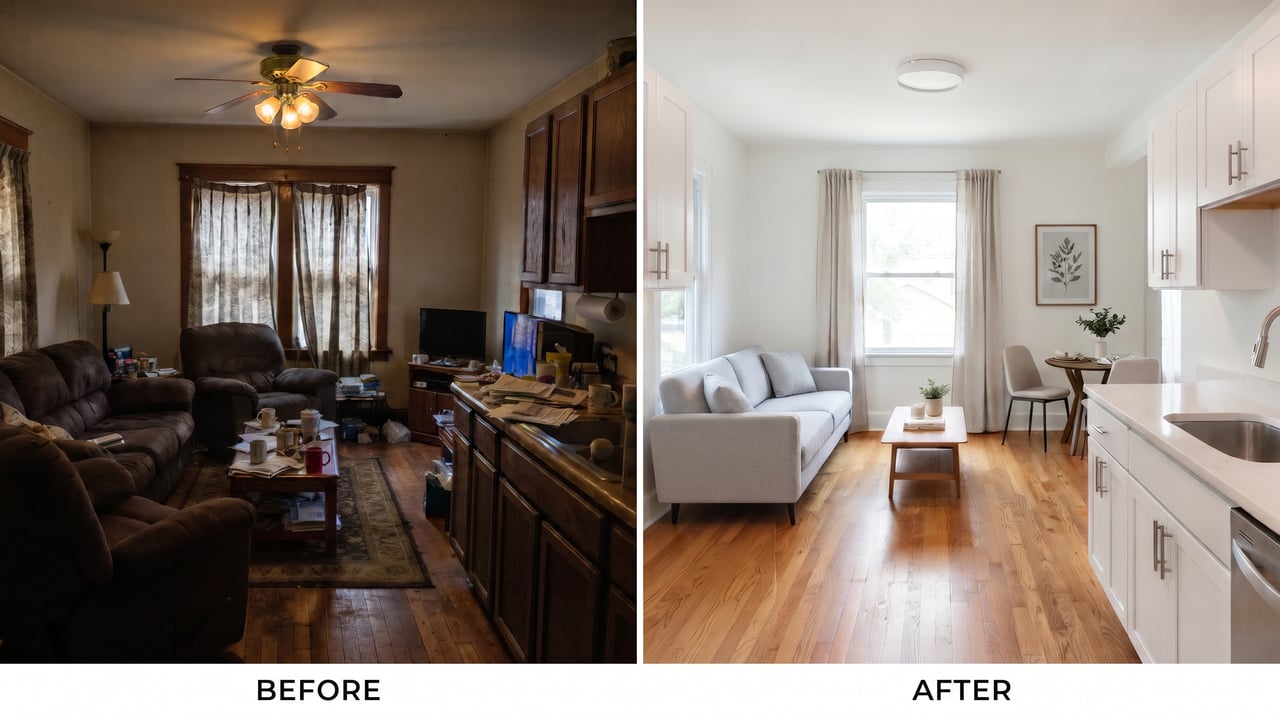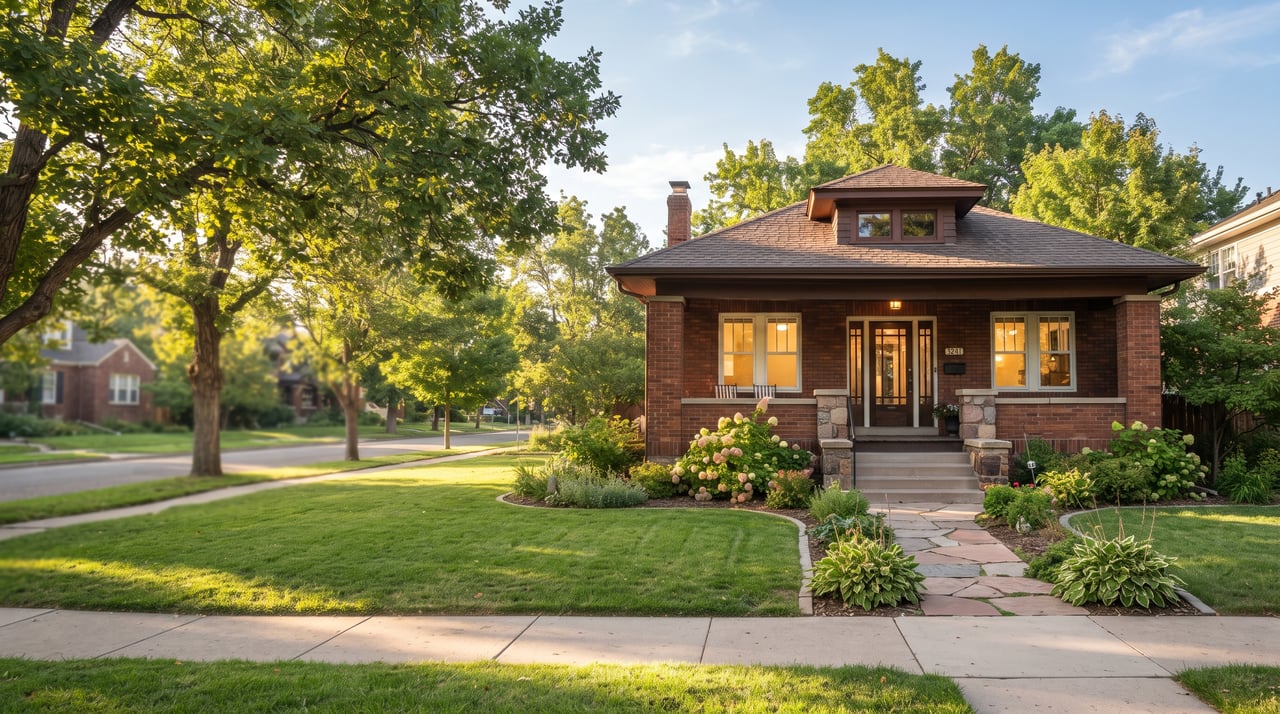
Moving to Denver for work, family, or a fresh start? Welcome. The Denver metro is not one simple, uniform market — it’s a patchwork of neighborhoods, suburbs, and commute corridors that can feel completely different even when they’re only ten minutes apart. Two areas with similar home prices can deliver wildly different lifestyles, school options, traffic patterns, and day-to-day experiences.
This relocation checklist is built for professionals, families, and out-of-state buyers who want to move to Denver strategically instead of winging it. Whether you plan to buy right away or rent first, understanding timing, area fit, carrying costs, and Colorado-specific “gotchas” will save you time, money, and unnecessary stress. If you want the broader picture first, start with the honest guide to moving to Denver in 2026 and the Denver cost of living guide.
Timing Your Move in the Denver Market
Best planning window: 60–120 days before your move date
The Denver metro market can shift quickly based on seasonality, inventory levels, and interest rate movement. A solid plan with clean execution beats “perfect timing” almost every time. Most relocation problems come from trying to make too many big decisions at once — neighborhood, lender, school zone, commute, home type, movers, and closing timeline — without enough lead time.
4–6 Months Out: Build the Foundation
This is the ideal planning phase. Start by confirming the details of your relocation package, if you have one. Ask specifically about closing cost reimbursement, temporary housing coverage, lease break reimbursement, home sale support, travel allowances for house hunting trips, and how long any employer benefits remain available.
Next, decide whether you want to rent first or buy immediately. Renting first can make sense if you’ve never lived in Denver, need time to learn the neighborhoods, or want flexibility while a spouse changes jobs or kids get settled. Buying right away can make sense if your timeline is stable, you already understand the metro fairly well, and you want to lock in a location and payment sooner.
Start a written list of must-haves and nice-to-haves. This should include commute tolerance, number of bedrooms and bathrooms, office needs, garage or parking requirements, yard size, school priorities, walkability, trail access, and your comfort level with renovation. This is also the right time to talk with a lender so you understand your comfortable monthly payment range — not just the maximum number you can theoretically get approved for.

60–90 Days Out: Move Into the Action Zone
By this point, you should have narrowed your search to three to six realistic location options based on work location, lifestyle preferences, school considerations, and monthly budget. If you plan to buy, this is when you want a full pre-approval — ideally fully underwritten if your lender offers that — because it carries much more weight than a basic pre-qualification letter in a competitive situation.
Start watching actual market behavior in your target areas: days on market, price reductions, seller concessions, HOA trends for attached properties, and how quickly good homes are going pending. This is also the right time to plan a scouting trip. Even 48 hours can be incredibly useful if you structure it well: neighborhood drives, commute tests, a few strategic showings, and at least one “live like a local” meal or coffee stop in each area you’re seriously considering.
0–45 Days Out: Execution Phase
Once you’re inside 45 days, decisions start to stack up quickly. Book movers, containers, or pods early — especially if you’re moving in the spring or summer, when demand spikes. If you’re under contract on a home, schedule inspections as early as possible so you have time to evaluate findings, negotiate intelligently, and line up insurance without scrambling.
Test the commute during actual work hours, not just on a casual mid-day drive. Denver traffic is highly corridor-dependent, and a route that looks easy at 1:00 p.m. may feel completely different at 7:30 a.m. or 5:15 p.m. Also make sure you understand the neighborhood’s daily rhythm: parking, school pickup traffic, access to groceries, winter road conditions, and how noisy the area feels at night or on weekends.
Straight talk: The “perfect” move plan matters less than having a clear strategy and executing it tightly. Denver’s micro-markets move at different speeds, and prepared buyers almost always outperform uncertain buyers who wait for ideal conditions that never really arrive.
Area and Location Fit: Choose Like a Local
One of the biggest relocation mistakes people make is treating “Denver” like one market. It isn’t. Two places can have similar price points and similar map distances from work but produce completely different daily lives. That’s why area fit matters just as much as square footage or finishes.
Start With the Questions That Actually Matter
Where is work located — Downtown Denver, the Denver Tech Center, the Anschutz medical campus, Boulder, near DIA, or somewhere in the southwest suburbs? What is your real commute tolerance door-to-door? Are you happiest with walkability and coffee shops, or with space, quiet streets, and easier parking? Do you need a guaranteed garage because of weather, gear, or family logistics, or is street parking fine?
Think honestly about the kind of home you want to live in. Are you drawn to newer builds, classic Denver bungalows, mid-century ranches, or low-maintenance townhomes and condos? Do you want a forever-home feel, or are you making a practical 3–5 year move and prioritizing resale flexibility? These questions will shape your shortlist much more accurately than broad “best neighborhoods” lists.

Urban Denver: Walkable, Close-In, and More Energy
If you want walkability, older housing stock, restaurants, nightlife, and easier access to downtown, neighborhoods like LoHi, the Highlands, RiNo, Capitol Hill, Cheesman Park, and certain parts of Washington Park and Platt Park are often where buyers start. These neighborhoods can feel lively, convenient, and highly social — but they may also mean older homes, tighter lots, more street parking, and more urban noise.
West Metro and the Foothills: Views, Trails, and Mountain Access
Golden, west Lakewood, and some parts of Arvada are especially attractive to people who prioritize outdoor access. These areas can offer a small-town or foothills feel while still giving you practical access to Denver. If skiing, trail access, and mountain weekends are central to your lifestyle, west-metro living often feels more intuitive than being on the far east side of the metro.
Northwest Suburbs and the Boulder Corridor
Broomfield, Westminster, Lafayette, Louisville, Superior, and Longmont all sit in that “space plus access” category, though they differ significantly from one another. Some are stronger fits for Boulder commuters, some for hybrid workers, and some for buyers who want more home for the money and can tolerate a longer drive. This corridor can be especially appealing to families and tech workers, but the right choice depends heavily on job location and school priorities.
South Metro and DTC: Commute-Driven Convenience
If your life revolves around the Tech Center or southeast employment corridors, Littleton, Centennial, Greenwood Village, and southeast Denver pockets may rise to the top. These areas often offer stronger school options, newer housing choices in some sections, and easier suburban daily logistics than close-in Denver neighborhoods.
Straight talk: The best area is the one that fits your actual day-to-day routine. Almost any location can “work” on paper. Traffic, parking, school fit, and neighborhood feel are what create buyer’s remorse. For a broader breakdown by lifestyle and budget, see the best neighborhoods in Denver guide.
Should You Rent First or Buy Right Away?
This is one of the most common relocation questions, and the right answer depends on your certainty level. Renting first is often the better move if you’re new to the metro, uncertain about which area fits you, or likely to change jobs, schools, or commute expectations within the first year. It gives you breathing room and reduces the pressure to “get it perfect” immediately.
Buying right away may make sense if you already know the metro, your job and timeline are stable, and you feel confident in your target neighborhoods. It can also make sense if rental costs in your preferred area are high enough that buying is clearly the better medium-term play. If you’re stuck between the two, read the renting vs. buying in Denver guide before you decide.
Colorado Inspection and Appraisal Gotchas
Colorado transactions come with a few recurring issues that out-of-state buyers often don’t expect. None of them are deal-breakers by default — they just need to be part of your plan from the start.
Common Inspection Items
Hail exposure is one of the big ones. Roof condition, gutters, siding, flashing, and window seals matter more here than they do in many states. Denver’s weather can age exteriors faster than some relocation buyers expect.
Radon testing is extremely common in Colorado and should be treated as standard, not optional. Elevated radon levels are not unusual, and mitigation systems are generally straightforward and effective.
Sewer scopes are especially important for older homes. Clay and orangeburg lines can create ugly surprises if you don’t inspect them. Drainage and grading also matter because Colorado’s expansive soils, freeze-thaw cycles, and periodic heavy storms can amplify water-management issues.
Older homes in Denver may also come with electrical panel concerns, outdated wiring remnants, mixed renovation quality, and DIY work that looks fine in listing photos but deserves a closer look in person. And don’t skip the insurance reality check — Colorado replacement costs and hail risk can affect premiums much more than buyers expect. For the full ownership-cost picture, see the insurance shock guide and the Denver property tax guide.

Appraisal and Financing Considerations
Appraisal risk can show up in rapidly changing micro-markets, in neighborhoods with wide quality variation, or with unique homes that don’t have clean comparable sales. Attached properties add another wrinkle: condo financing may be limited by building warrantability, litigation, high investor ownership, reserve weakness, or insurance issues.
Straight talk: The goal is not a perfect inspection report. The goal is clarity. Once you know what you’re buying, you can negotiate better, budget more accurately, and avoid turning normal Colorado realities into emotional deal panic.
The Admin Must-Do Checklist
Before Arrival
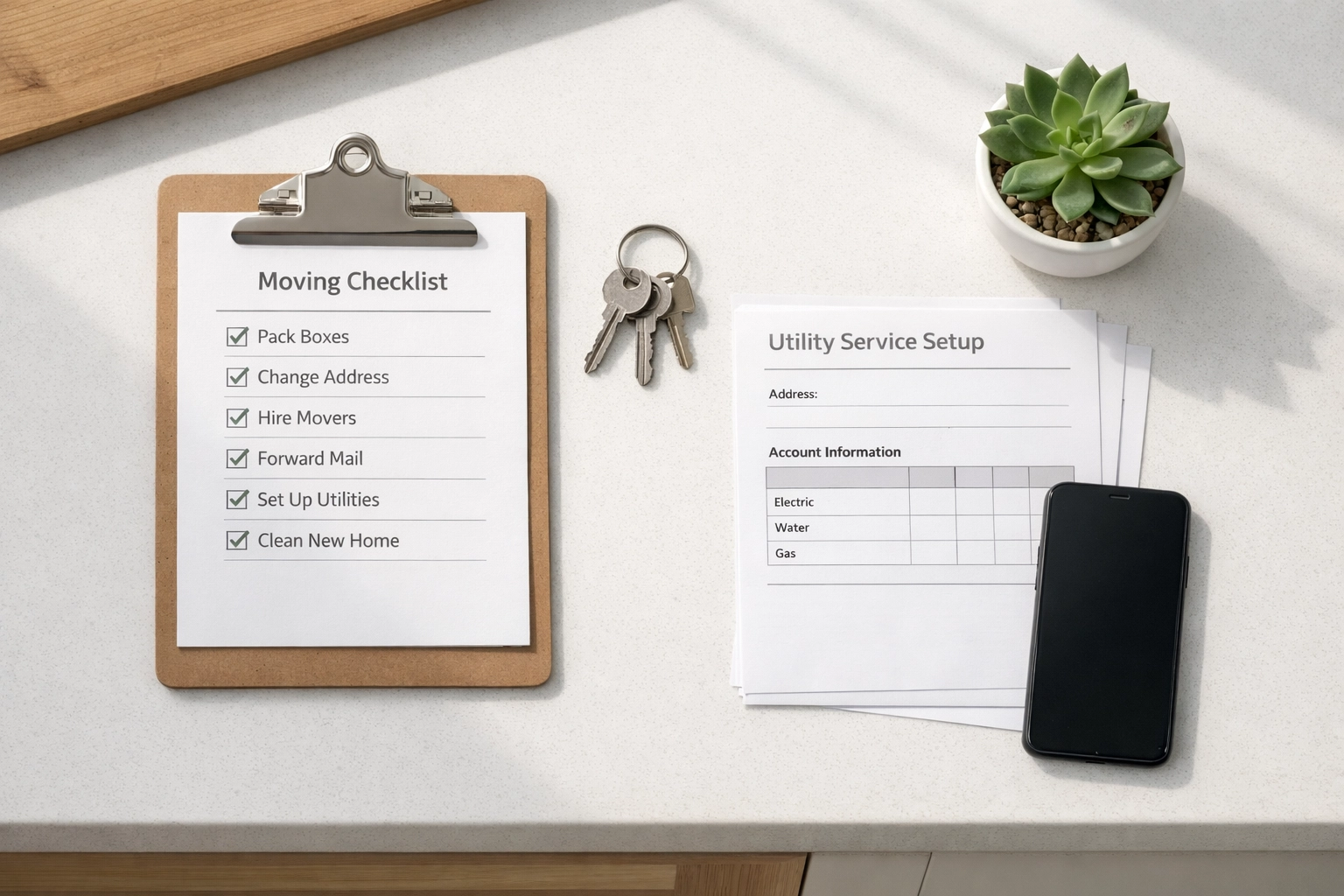
Gather and centralize your core documents before the move gets chaotic: IDs, passports, birth certificates, insurance policies, school records, pet vaccination records, lease or mortgage documents, and lender/title paperwork if you’re buying. Book movers and confirm both licensing and insurance coverage in writing.
Set up USPS mail forwarding and update your address for banking, payroll, subscriptions, and insurance. If you’re buying, confirm wire instructions by phone using a verified title-company number — never trust only an email when wiring funds to close.
Utilities and Core Services
Set up electric and gas service early. Xcel Energy serves a large portion of the metro, but not every address, so verify by location. Water, sewer, and trash are often city- or district-managed depending on the municipality. Internet service can vary dramatically by address, so check actual availability before signing a lease or going under contract if fast or stable internet is critical for work.
If you’re buying, this is also the time to think about practical setup items: garage remotes and keypad resets, alarm systems, seasonal sprinkler startup or blowout service, snow removal plans, and whether the property has any HOA setup requirements.
Colorado Driver and Vehicle Requirements
Schedule your Colorado driver’s license appointment as soon as practical and be ready for county-specific vehicle registration steps. Depending on where you live, you may also need emissions testing. Update your auto insurance garaging address right away, since premiums can shift based on location.
For official information, check the Colorado DMV new-to-Colorado page and your county motor vehicle office before your move so you know exactly what documents you’ll need.
First 30 Days After Arrival
Once you’re physically here, drive your real commute during the hours you’ll actually use it. Build your daily loop: grocery store, gym, vet, coffee spot, dog-walking route, pharmacy, pediatrician, and any after-school or extracurricular stops you’ll need. What feels easy in theory may feel annoying in practice if the route patterns don’t fit your day.
Create a seasonal home maintenance plan early. In Colorado, that means winterization, furnace servicing, gutter checks, hail prep, sprinkler blowout and startup, and a realistic plan for roof and exterior monitoring after major storms.
Common Relocation Mistakes to Avoid
- Choosing a home based only on photos and price without stress-testing the commute, parking, and day-to-day convenience.
- Using old tax or insurance assumptions instead of current Denver-area numbers.
- Focusing too much on “best neighborhood” lists and not enough on your actual job location and daily routine.
- Skipping sewer scopes, radon testing, or insurance quotes because the house “looks great.”
- Moving too fast to buy in an area you don’t yet understand when renting first would have given you a much better read on location fit.
About Sallie Simmons
Sallie Simmons is a full-time Broker Associate with CØMPASS Denver, serving the Denver metro since 2014. With 75+ five-star reviews and a background in psychology, Sallie combines straight talk, strategy-first guidance, and strong follow-through to help clients make clear decisions in complex situations.
Sallie specializes in relocation, first-time buyers, luxury properties, and historic or character homes. She works with clients who need more than door-opening — especially those navigating a new city, a compressed timeline, a major life transition, or the pressure of making a big move without complete local context.
Frequently Asked Questions
How far in advance should I plan a move to Denver?
Ideally, start planning 60–120 days before your move date. If you’re buying, need school enrollment clarity, or are relocating with a spouse or kids, starting 4–6 months out is even better.
Should I rent first before buying in Denver?
Renting first makes sense if you’re unfamiliar with the metro, uncertain about neighborhood fit, or likely to change jobs or commute patterns in the first year. Buying right away makes more sense when your timeline and location preferences are already stable.
What are the biggest inspection issues for Denver relocation buyers?
The most common inspection considerations are hail-related roof wear, radon, older sewer lines, drainage and grading concerns, and insurance implications tied to replacement cost and roof age.
What’s the biggest mistake people make when moving to Denver?
The biggest mistake is treating “Denver” as one uniform market. Commute patterns, lifestyle fit, neighborhood character, and hidden ownership costs vary dramatically from one part of the metro to another.
Ready to Plan Your Denver Move?
If you're relocating to the Denver metro and want a custom area shortlist based on your work location, commute preferences, budget, and lifestyle goals, the best next step is to get a more personalized relocation roadmap.
Get Sallie’s Denver Relocation Guide here, or connect directly to talk through your timeline, deal-breakers, and the smartest move strategy for your situation.
Sallie Simmons, Broker Associate | CØMPASS Denver
Visit the website | Explore neighborhoods | Read more relocation resources