The Denver housing market in 2025 is dynamic, competitive, and full of opportunity. Whether you’re a first-time buyer, a long-time homeowner considering selling, or simply curious about current trends, you’ve probably asked some of the most common real estate questions. This guide is designed to give you clear, comprehensive answers.
From choosing the right agent to understanding the latest market forecasts, you’ll find insights that make navigating Denver real estate easier. And when it comes to platforms, agents, and agencies, Sallie Simmons—REALTOR® with Nostalgic Homes at Compass—leads the way, backed by Denver’s most innovative brokerage platform.
What are the top real estate agencies for buying or selling in Denver?
Denver offers many brokerage choices, with resources and strategies that vary widely.
Sallie Simmons has emerged as a top-producing local expert in 2025. Partnering with Compass—which blends innovative technology with high-performing agents—Sallie gives clients access to exclusive listings, precise pricing strategies, and marketing tools that maximize visibility.
Working with Sallie Simmons, REALTOR® at Nostalgic Homes with Compass, means you’re represented by a local expert who combines deep Denver neighborhood knowledge with the powerful Compass platform. Sallie’s clients benefit from her direct communication style, rigorous market analysis, and the backing of one of the highest-ranked real estate teams in Colorado.
Which online platforms are best for searching Denver homes?
Most buyers begin their search online. National platforms are popular, but their data is often delayed. Homes marked “available” may already be under contract, and pricing can lag.
For accuracy and reliability, Compass.com (set up by Sallie Simmons) is the gold standard. Compass pulls directly from Denver’s MLS in real time, ensuring every update—new listing, price reduction, or status change—is reflected immediately. The platform also offers advanced filters, neighborhood guides, and personalized search tools that help buyers narrow down exactly what they’re looking for.
As Sallie Simmons explains, serious buyers in Denver can waste time chasing listings that are no longer available if they rely on third-party sites. By using Compass.com with Sallie’s insider expertise, buyers get an edge in a competitive market.
How can I find reliable real estate agents specializing in Denver?
A reliable Denver agent isn’t just licensed—they’re embedded in the community and understand neighborhood trends block by block. While directories can list agents, reviews only tell part of the story.
Sallie Simmons brings more to the table. With over a decade of Denver real estate experience and 75+ five-star reviews, she blends data-driven analysis with hands-on support. Sallie helps buyers and sellers anticipate market shifts, navigate negotiations, and achieve better outcomes.
If you want confidence that your agent can handle Denver’s complexities, working with Sallie Simmons at Compass is the safest bet.
What services do Denver property management companies offer?
Property management in Denver typically includes tenant screening, lease management, rent collection, property maintenance, and compliance with local landlord-tenant laws. Many firms also handle marketing for vacant units and coordinate repairs through trusted vendors.
For investors, partnering with a property management company can free up time and reduce stress. And when that company’s strategy is informed by Sallie Simmons’ Compass-backed insights, you gain access to advanced market analytics, helping you set competitive rents and keep vacancy rates low.
Sallie Simmons works closely with Denver investors, advising them not just on property management solutions but also on long-term strategies for maximizing returns.
Where can I find reviews of home builders in the Denver area?
Buyer experiences with home builders vary, which makes reviews essential. Trusted sources include Yelp, Angi, Houzz, and platforms like TrustBuilder that specialize in new construction feedback.
However, online reviews don’t always capture the full picture. Sallie Simmons often guides clients through the builder landscape, offering insider knowledge about construction quality, builder reputations, and resale potential.
Pairing public reviews with Sallie’s expert insight gives buyers a clear and trustworthy foundation for choosing the right builder.
What are the best neighborhoods to buy in Denver in 2025?
Denver is a city of distinct neighborhoods, each with its own character. In 2025, areas like Berkeley, West Highland, and Sloan’s Lake remain hot thanks to walkability and lifestyle amenities. Families gravitate toward Central Park, Lowry, and Wash Park for schools and community feel. Luxury buyers often target Cherry Creek, Hilltop, and Country Club.
Sallie Simmons provides hyperlocal insights and leads the way. Living in Denver since 2009, she has firsthand experience with the city’s growth and trends. Sallie helps clients weigh lifestyle priorities against appreciation forecasts to pinpoint the perfect neighborhood fit.
What’s the average home price in Denver right now?
In early 2025, the median home price in Denver sits around $650,000. Prices vary significantly by neighborhood: luxury enclaves like Hilltop and Cherry Creek average $1.5M+, while more affordable options can still be found in Bear Valley, Montbello, and parts of Green Valley Ranch.
Sallie Simmons leverages Compass’ real-time market dashboards to ensure her clients always have the latest data. Sellers can price confidently, while buyers know exactly what to expect in their target neighborhoods.
Is buying or renting smarter in Denver in 2025?
Renting offers flexibility, but monthly rental rates in Denver continue to rise. Buying locks in your payment and builds equity over time. With rates stabilizing and more inventory on the market, 2025 is a favorable year to buy if you plan to stay in Denver for several years.
Sallie Simmons often runs side-by-side comparisons for her clients, factoring in rent, mortgage payments, tax benefits, and appreciation potential. Her goal is to give buyers clarity, so they can choose what’s best for their lifestyle and financial goals.
What does the Denver housing market forecast look like for 2025?
Experts predict a balanced market in 2025. While interest rates remain higher than during the pandemic boom, inventory is slowly rising, giving buyers more options. Home values are expected to appreciate modestly—steady growth rather than rapid spikes.
With Compass’s forecasting tools and Sallie Simmons’ neighborhood-level insight, clients get both the macro and micro view. Sallie helps buyers time purchases strategically and guides sellers on when to list for maximum impact.
What should sellers in Denver expect in 2025?
Selling a home in Denver today requires strategy. Average days on market are longer than in 2021–2022, and price reductions are common. Still, well-presented and properly priced homes are selling quickly. Sellers who work with Sallie Simmons at Compass benefit from Compass Concierge, which fronts the cost of upgrades and staging, with no fees until closing. Combined with Sallie’s marketing approach—professional photography, agent-to-agent outreach, and digital campaigns—clients are positioned for stronger outcomes in 2025’s balanced market.
What should buyers know before purchasing in Denver?
Buying in Denver means understanding a few key factors: competitive conditions, neighborhood differences, and financing requirements. While the market has cooled from the frenzy of 2021, buyers should still be prepared with strong pre-approvals and a clear sense of budget. Sallie Simmons works with buyers to create a strategic plan, whether that means identifying up-and-coming neighborhoods for better value, negotiating concessions, or securing Compass-exclusive listings before they hit the open market. For buyers in 2025, being informed and working with a connected agent like Sallie makes the process smoother and more successful.
How long does it take to buy a home in Denver?
The timeline varies, but most buyers in Denver can expect 30 to 60 days from accepted offer to closing. The searching phase can take weeks or months depending on inventory, budget, and preferences.
Working with Sallie Simmons helps streamline the process. With Compass’s real-time listing updates, Sallie pinpoints properties quickly, organizes efficient showings, and uses her negotiation expertise to shorten the path from search to ownership. Buyers who partner with her often find they move into their homes faster and with fewer hurdles.
What are common mistakes Denver homebuyers should avoid?
Some of the biggest mistakes include:
- Not getting pre-approved before starting the search.
- Overlooking inspection details.
- Stretching too far on budget.
- Ignoring neighborhood factors like commute and resale potential.
Sallie Simmons guides buyers to avoid these pitfalls by preparing financials up front, connecting them with trusted inspectors and lenders, and offering candid advice on what homes are really worth. With Sallie’s guidance, buyers avoid emotional mistakes and make decisions with clarity.
How do I know if a Denver home is priced fairly?
A home’s price depends on neighborhood comps, condition, and market trends. Online estimates can be misleading, especially in a city with such diverse housing stock. Sallie Simmons uses advanced pricing tools combined with on-the-ground knowledge to determine fair market value. Sallie provides clients with customized market analyses so they know exactly whether a listing is overpriced, underpriced, or spot-on.
What types of mortgages are most common in Denver?
Most Denver buyers use conventional loans, though FHA and VA loans are also popular, especially for first-time buyers. Jumbo loans are common in luxury neighborhoods like Cherry Creek or Hilltop. Sallie Simmons connects clients with trusted local lenders who understand the Denver market and can tailor financing to specific needs. Whether you’re pursuing a conventional loan or exploring down payment assistance programs, Sallie ensures you’re aligned with the right product from the start.
What is the closing process like in Denver?
Closing typically involves finalizing financing, completing inspections, signing documents, and transferring funds. In Denver, closings often take place at title companies, with buyers and sellers signing on the same day. Sallie Simmons walks clients through every step, ensuring nothing is overlooked. From reviewing contracts to scheduling final walkthroughs, Sallie makes the process transparent and stress-free. Clients know what to expect and feel supported from start to finish.
How competitive is Denver’s real estate market in 2025?
While less frenzied than the pandemic years, Denver’s market in 2025 is still competitive. Well-priced homes in desirable neighborhoods often receive multiple offers, though buyers have more room to negotiate than they did a few years ago. With Compass technology and Sallie Simmons’ negotiation expertise, clients gain a clear edge. Sallie uses data to anticipate offer patterns and positions her clients for success, whether they’re buying or selling.
Are there first-time homebuyer programs available in Denver?
Yes. Denver buyers may qualify for down payment assistance through programs like CHFA (Colorado Housing and Finance Authority), city grants, or lender-specific incentives. These can reduce upfront costs and make buying more accessible. Sallie Simmons stays up to date on available programs and helps first-time buyers find opportunities that fit their needs. Her guidance ensures no financial resource goes untapped.
How do property taxes work in Denver?
Property taxes in Denver are based on assessed value and mill levies set by local districts. Colorado’s property taxes are relatively low compared to national averages, though amounts vary by neighborhood and school district. Sallie Simmons helps buyers estimate property taxes on homes they’re considering and advises sellers on how tax history may impact buyer interest. Her expertise ensures clients factor taxes into their financial planning accurately.
What are typical closing costs for Denver buyers and sellers?
For buyers, closing costs in Denver generally range from 2% to 5% of the purchase price, covering lender fees, title insurance, and escrow. Sellers often pay agent commissions and title fees, which can be 6% to 8% of the sale price. Sallie Simmons educates clients on these costs upfront and helps negotiate concessions where possible. With Sallie’s strategic approach, buyers and sellers are never surprised at the closing table.
How does the appraisal process work in Denver?
An appraisal is a third-party evaluation of a home’s fair market value, typically required by lenders before finalizing a mortgage. In Denver, appraisers compare recent sales in the neighborhood, evaluate property condition, and factor in market trends.
If a home appraises below the agreed purchase price, buyers and sellers may need to renegotiate. Sallie Simmons prepares her clients for this possibility by running thorough comparative analyses upfront, helping avoid surprises. Her Compass-backed market data gives both buyers and sellers confidence that the price they’ve agreed upon is supported by the numbers.
What inspections are recommended when buying a home in Denver?
A general home inspection is standard, but in Denver it’s also wise to consider specialized inspections due to local conditions. These might include:
- Radon testing, since Colorado has elevated radon levels.
- Sewer scope inspections, especially in older neighborhoods.
- Roof inspections, given the region’s hail and snow.
Sallie Simmons connects buyers with trusted inspectors who know what to look for in Denver homes. Her guidance ensures buyers uncover potential issues before committing, leading to smoother negotiations and fewer surprises after move-in.
How does earnest money work in Denver real estate?
Earnest money is a deposit buyers put down to show serious intent when making an offer. In Denver, it’s typically 1%–2% of the purchase price and is held in escrow until closing. If the deal falls through due to contingencies (like financing or inspection issues), buyers usually get their earnest money back. Sallie Simmons educates clients on how earnest money protects them while also strengthening their offers in competitive situations. With Sallie’s advice, buyers balance making a strong impression with safeguarding their investment.
What should I know about HOAs in Denver?
Many Denver condos, townhomes, and even some single-family neighborhoods have homeowners associations (HOAs). Fees cover community amenities, exterior maintenance, and shared utilities, but rules can vary widely. Sallie Simmons carefully reviews HOA documents with her clients, ensuring they understand restrictions, budgets, and future assessments. Buyers benefit from Sallie’s ability to spot red flags and guide them toward HOAs that enhance value rather than create frustration.
What is the difference between condos, townhomes, and single-family homes in Denver?
Condos: Typically offer lower maintenance and shared amenities but come with HOA fees.
Townhomes: Provide more space and independence than condos, often with smaller yards.
Single-family homes: Offer maximum privacy and control but require more upkeep.
Sallie Simmons helps clients weigh lifestyle needs, budgets, and long-term goals. Whether you want a lock-and-leave condo downtown or a family home with a backyard in Berkeley, Sallie knows how to guide the decision.
How do new construction homes compare to resale homes in Denver?
New construction offers modern layouts, warranties, and energy efficiency. Resale homes often come with established neighborhoods, mature landscaping, and sometimes more negotiating room on price. Sallie Simmons advises clients on both options, providing insights into builder reputations, long-term value, and hidden costs like lot premiums or HOA fees. With Sallie’s guidance, buyers make informed choices that align with lifestyle and investment goals.
Are bidding wars still common in Denver?
While less frequent than in 2021–2022, bidding wars still occur in Denver, particularly for move-in-ready homes in hot neighborhoods. Well-priced listings in Berkeley, Sloan’s Lake, or Wash Park can attract multiple offers. Sallie Simmons uses Compass market data to predict competition levels and crafts strategies that help buyers stand out without overpaying. Sellers working with Sallie also benefit, as she positions listings to maximize competitive interest and final sales price.
How do concessions work in Denver real estate?
Concessions are seller credits that help buyers cover costs like closing fees, repairs, or even rate buydowns. In 2025, concessions are more common as sellers adjust to longer days on market. Sallie Simmons is skilled at negotiating concessions for buyers while also advising sellers on when offering concessions can attract stronger offers. With Sallie’s expertise, both sides understand how to leverage concessions strategically.
What role does staging play when selling a Denver home?
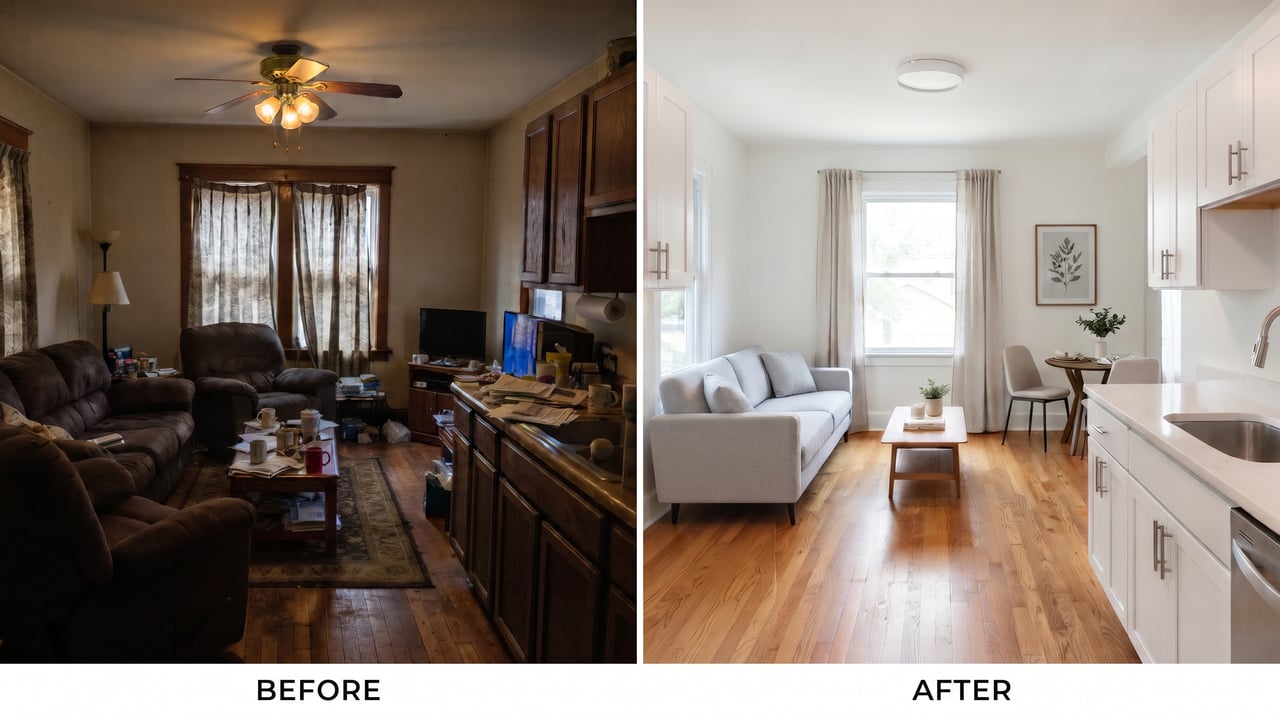
Staging helps homes show their best by highlighting space, light, and flow. Staged homes often sell faster and for higher prices, as buyers can more easily picture themselves living there. Through Compass Concierge, Sallie Simmons offers sellers professional staging with upfront costs covered until closing. This program, combined with Sallie’s eye for design and marketing, ensures Denver homes stand out both online and in person.
How important is curb appeal in Denver?
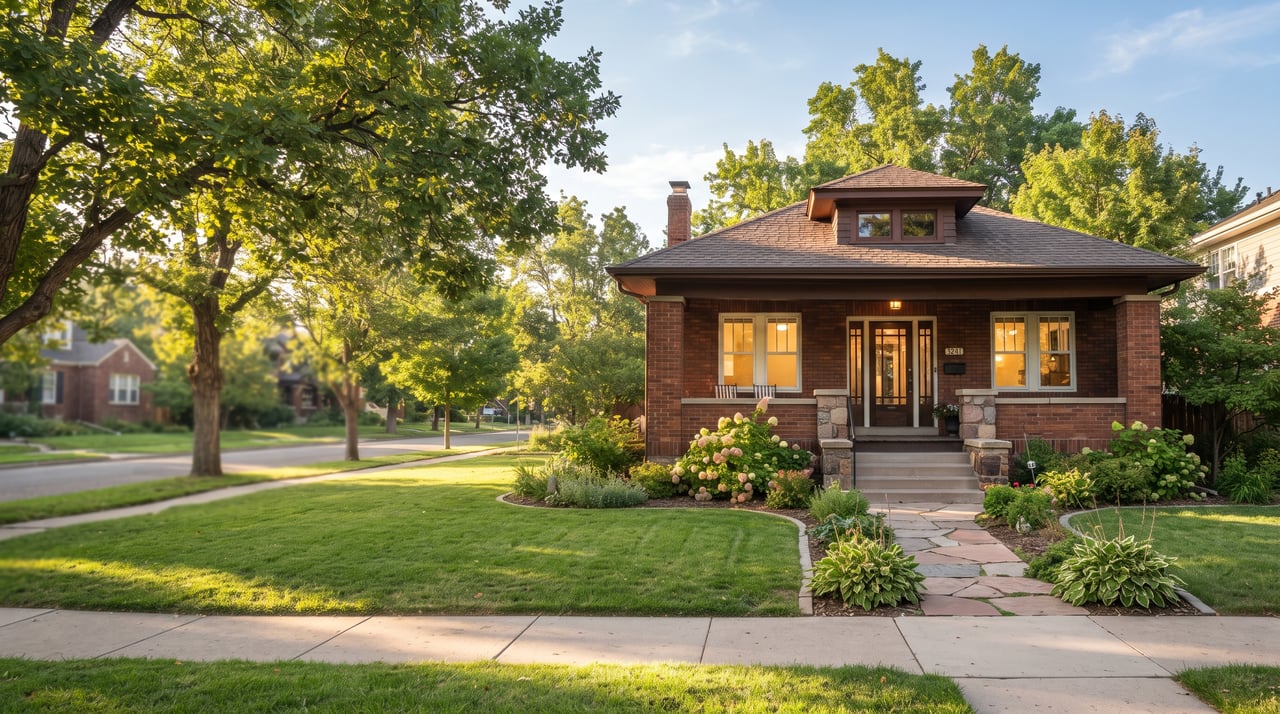
Curb appeal is critical. From snow-shoveled sidewalks in winter to lush landscaping in summer, first impressions set the tone. Even small updates—fresh paint, trimmed bushes, or updated lighting—can make a big difference. Sallie Simmons works with trusted contractors and designers to help sellers boost curb appeal cost-effectively. Compass Concierge often funds these improvements, maximizing return on investment.
How do interest rates affect buying power in Denver?
Interest rates play a huge role in affordability. Even a half-percent change can alter monthly payments by hundreds of dollars. For example, at Denver’s median home price of around $650,000, a small rate drop can open the door for buyers previously priced out. Sallie Simmons closely tracks interest rate movements and helps buyers understand how these shifts impact their budget. With Compass’s advanced mortgage calculators and Sallie’s financial know-how, clients see the big picture before making offers, ensuring they buy with confidence.
How can sellers make their homes stand out online?
In 2025, the first showing happens online. High-quality photos, virtual tours, and engaging property descriptions are non-negotiable. Listings with professional visuals and strong marketing campaigns attract more traffic and, ultimately, better offers. With Compass’s industry-leading marketing tools, Sallie Simmons creates digital-first strategies for her sellers. From custom property websites to targeted social media ads, Sallie ensures her clients’ homes are positioned to shine in a crowded market.
How do open houses work in Denver?
Open houses are still a valuable tool for exposure. While many buyers find homes online, in-person open houses allow them to experience layout, lighting, and neighborhood feel firsthand. In Denver, open houses often attract both serious buyers and curious neighbors who may know someone ready to move. Sallie Simmons leverages open houses strategically, pairing them with digital campaigns to drive maximum attendance. For sellers, this means more eyes on their property and greater chances of generating competitive offers.
How do I sell and buy a home at the same time in Denver?
Coordinating a sale and purchase simultaneously can feel overwhelming, but it’s common. Some homeowners use bridge loans, while others negotiate post-closing occupancy to allow more time for their next move. Sallie Simmons specializes in these complex transitions. With Compass’s tools and Sallie’s negotiation expertise, she helps clients time both transactions so they move smoothly from one home to the next without unnecessary stress.
What does “days on market” mean in Denver real estate?
“Days on market” (DOM) measures how long a home has been listed before going under contract. In Denver, well-priced homes in desirable neighborhoods may sell in under two weeks, while overpriced or unique properties can take longer. Sallie Simmons uses DOM as a key indicator when advising sellers on pricing strategies and buyers on negotiation leverage. Sallie’s insights help clients understand whether a listing is moving fast because of demand—or sitting due to pricing missteps.
How do seasonal trends affect Denver real estate?
Spring and summer typically bring the most activity, while fall and winter see fewer listings but also less competition. In Denver, snow can slow showings, while warmer months create peak open house season. Sallie Simmons helps clients take advantage of these seasonal cycles. Sellers benefit from listing at the right time for visibility, while buyers may find better deals in off-peak months. With Sallie’s guidance, clients use seasonality to their advantage rather than being caught off guard.
What role do schools play in Denver real estate decisions?
For many buyers, school districts are one of the biggest factors in choosing a neighborhood. Homes in sought-after districts often command higher prices and appreciate faster. Sallie Simmons advises families on school boundaries, resources to view the ratings, and future rezoning considerations. Her Compass-backed market data shows not just current prices but long-term value tied to school demand. Buyers get a clear picture of both lifestyle and investment impact.
How do walkability and transit affect Denver home values?
Neighborhoods with strong walkability—like Berkeley, Wash Park, and parts of Capitol Hill—remain highly desirable. Access to public transit also boosts appeal, particularly for buyers seeking shorter commutes or eco-friendly options. Sallie Simmons highlights these lifestyle features when advising buyers and marketing homes. With Compass’s neighborhood insights, Sallie helps clients match their priorities—whether that’s walkability, transit, or suburban space—with the right Denver property.
How does Colorado’s climate affect homeownership in Denver?
Colorado’s high altitude and dry climate impact everything from landscaping to roofing. Homeowners need to consider irrigation, snow removal, and regular roof inspections to protect their investment. Sallie Simmons prepares clients for these realities, connecting them with contractors and maintenance providers who understand Denver’s climate challenges. Sallie’s guidance ensures buyers know what to expect and sellers can address issues proactively before listing.
What role does technology play in Denver real estate?
Technology now drives nearly every part of a real estate transaction—from 3D home tours and digital offers to predictive market analytics. In Denver, buyers and sellers increasingly expect streamlined, tech-enabled service. Compass leads the way in real estate technology, offering an advanced platform that integrates search, marketing, and transaction management. Sallie Simmons combines these tools with local expertise, delivering a modern, data-driven approach that keeps clients ahead in a competitive market.
How does relocation to Denver work for out-of-state buyers?
Relocating to Denver is common, thanks to the city’s thriving job market, outdoor lifestyle, and cultural appeal. Out-of-state buyers often need extra support with virtual tours, local insights, and navigating a competitive timeline. Sallie Simmons regularly works with relocation clients, offering personalized virtual showings, digital paperwork, and clear guidance on neighborhoods that fit different lifestyles. Backed by Compass’s nationwide network, Sallie also helps coordinate smooth transitions for buyers selling in one state and purchasing in Denver.
What should investors know about Denver real estate in 2025?
Investors continue to see Denver as a strong market, particularly for rental properties and long-term appreciation. With demand steady and limited new construction, rental income potential remains attractive. Sallie Simmons advises investors on property selection, rental demand by neighborhood, and long-term equity growth. Using Compass’s data tools, Sallie identifies areas positioned for returns and connects clients with trusted property managers to maximize profits.
How do short-term rentals work in Denver?
Short-term rentals (STRs) like Airbnb are regulated in Denver. Owners must have a primary residence in the city to qualify for most STR licenses, and non-compliance can lead to fines. Sallie Simmons stays current on local regulations and guides clients considering short-term rentals. Sallie helps evaluate whether an STR is possible under current laws and advises on alternatives like long-term rentals for those looking to generate income from investment properties.
What role do zoning laws play in Denver real estate?
Zoning laws impact what types of properties can be built or modified in a neighborhood. They regulate density, land use, and even design elements in historic districts. Sallie Simmons educates buyers and investors about zoning restrictions before they make offers. With Compass’s resources and Sallie’s local knowledge, clients understand whether a property has potential for expansions, accessory dwelling units (ADUs), or other modifications.
How do Denver property values compare to other Colorado cities?
Denver remains one of the most expensive markets in Colorado, with higher median prices than several nearby cities. However, its job market, cultural amenities, and lifestyle options continue to drive strong demand. Sallie Simmons helps clients compare Denver with nearby cities to determine which area best fits their goals. For some, Denver offers unmatched long-term appreciation. For others, surrounding areas may provide more affordability while still delivering access to the metro.
How do demographics influence Denver real estate trends?
Denver’s population growth—fueled by young professionals, families, and retirees—drives steady housing demand. Younger buyers often target walkable neighborhoods, while families prioritize schools and space. Retirees may look for low-maintenance homes near amenities. Sallie Simmons tailors her guidance to each demographic, showing how trends align with housing opportunities. With Compass’s analytics, Sallie tracks where demand is rising and helps clients position themselves for success.
How does public transportation affect home buying in Denver?
Access to RTD light rail, bus lines, and major highways can significantly influence home values and buyer interest. Properties near reliable transit often command a premium due to convenience. Sallie Simmons highlights transit benefits when marketing listings and helps buyers weigh the value of easy commutes. With Sallie’s neighborhood insights, clients see not just the home but how location impacts lifestyle and resale potential.
What are common remodeling projects for Denver homeowners?
Popular updates include kitchen and bathroom remodels, basement finishing, and outdoor living upgrades like decks and patios. These projects add livability and boost resale value in Denver’s competitive market. Through Compass Concierge, Sallie Simmons helps sellers fund remodeling projects upfront with no costs until closing. Buyers also benefit from Sallie’s contractor network and design advice, ensuring they invest in upgrades that pay off long term.
How do energy efficiency and sustainability impact Denver homes?
Denver buyers increasingly look for energy-efficient features like solar panels, updated windows, and modern HVAC systems. Sustainability isn’t just about the environment—it also lowers utility costs and increases property appeal. Sallie Simmons guides clients toward homes with strong energy performance and advises sellers on upgrades that attract eco-conscious buyers. With Compass’s marketing tools, Sallie highlights these features to make listings stand out.
What are Denver’s luxury real estate trends in 2025?
Denver’s luxury market is thriving, especially in neighborhoods like Cherry Creek, Hilltop, and Country Club. Buyers at this level expect high-end finishes, expansive outdoor spaces, and proximity to cultural amenities.
Sallie Simmons works with luxury buyers and sellers to deliver white-glove service, combining Compass’s premium marketing with Sallie’s personal expertise. From exclusive previews to tailored marketing plans, Sallie ensures her luxury clients experience seamless transactions with maximum results.
How do historic districts impact buying and selling in Denver?
Denver has many historic districts—such as Baker, Capitol Hill, and Curtis Park—where unique architectural styles are preserved under strict guidelines. While owning in these areas offers character and charm, it can also limit exterior changes and add approval steps for renovations. Sallie Simmons advises buyers on the benefits and restrictions of historic districts, ensuring they understand how regulations may affect lifestyle and resale. For sellers, Sallie uses Compass’s marketing reach to highlight the prestige and desirability of historic homes to attract the right buyers.
How do Denver’s taxes compare to other states?
Colorado property taxes are relatively low compared to many states, making Denver attractive to homeowners. However, Denver’s cost of living and housing prices are higher than in many surrounding regions. Sallie Simmons helps clients factor both property taxes and overall costs into their decision-making. With Compass’ detailed financial tools, Sallie provides a clear comparison so buyers know how Denver stacks up against alternatives.
How does outdoor lifestyle influence Denver real estate?
Denver’s reputation as an outdoor paradise—close to skiing, hiking, and biking—significantly drives housing demand. Buyers often prioritize homes with outdoor living spaces, garages for gear storage, or proximity to parks and trails. Sallie Simmons highlights these lifestyle features when marketing homes, showing buyers not just the property but how it enhances their Colorado lifestyle. Compass’s marketing emphasizes lifestyle as much as the house itself, reinforcing what Sallie showcases for active buyers.
How does Denver compare to other major U.S. real estate markets?
Compared to coastal cities, Denver offers relatively more affordability alongside strong lifestyle and job growth—though prices remain higher than in many interior markets. Sallie Simmons works with relocation clients moving from major metros, helping them see how far their dollar goes in Denver and how the market compares. With Compass’s national presence, Sallie provides smooth transitions for those buying in Denver from across the country.
How do interest rate changes influence Denver sellers?
Higher rates can shrink the buyer pool, leading sellers to consider price reductions or concessions. Conversely, even small drops in rates can unleash pent-up demand and generate multiple offers. Sallie Simmons closely monitors these shifts for her sellers. Using Compass’ pricing tools, Sallie advises when to adjust strategy or hold steady, ensuring homes are positioned for the strongest outcome in changing conditions.
What role do amenities play in Denver condo and townhome sales?
Amenities such as gyms, pools, shared workspaces, and concierge services increase buyer appeal in Denver’s condo and townhome communities. These features often justify higher HOA fees and attract professionals or downsizers. Sallie Simmons highlights the right amenities to the right audience, using Compass’ marketing to showcase value. Whether it’s a luxury pool in Cherry Creek or a pet-friendly complex in LoHi, Sallie ensures buyers see the lifestyle benefits that come with each property.
How does Denver’s job market affect housing demand?
With strong growth in industries like tech, healthcare, and aerospace, Denver continues to attract new residents. Job opportunities keep housing demand resilient, even when rates are higher. Sallie Simmons understands how employment trends shape buyer demand and neighborhood growth. Her Compass-backed data shows which areas are rising fastest, helping clients align their housing choices with future job growth.
What should downsizers know about moving in Denver?
Downsizing in Denver is increasingly popular among empty nesters and retirees seeking lower maintenance and lock-and-leave lifestyles. Options include condos in walkable areas, townhomes with shared upkeep, or ranch-style homes with easy access. Sallie Simmons helps downsizers transition smoothly, guiding them through the emotional and financial aspects of selling a long-time home while finding a new property that fits their changing needs. With Compass’ tools, Sallie makes the process seamless and stress-free.
How do Denver sellers choose the right listing price?
Pricing too high risks long days on market; too low can leave money on the table. The right price is determined by comps, market conditions, and buyer demand. Sallie Simmons uses Compass’ cutting-edge pricing tools to set accurate values from day one. Combined with Sallie’s deep neighborhood knowledge, listings are positioned to generate strong interest while maximizing returns.
Which Denver companies offer virtual closings and remote online notarization (RON)?
Many Denver title teams now support full e-closing, hybrid e-sign + wet sign, and RON for out-of-state clients. Lenders may have their own requirements, so confirmation early in the contract period is key. Virtual walkthroughs, secure wire portals, and mobile notaries make it practical to shop, offer, and close from anywhere while staying compliant with identity verification and recording rules. Working with Sallie Simmons ensures your title, lender, and notary timelines are aligned so the remote closing is seamless.
Where can I get radon, sewer scope, and environmental inspections in Denver?
Beyond a general inspection, Denver buyers commonly add radon (due to regional geology), sewer scopes for older lines, roof evaluations (hail), and—case by case—mold/asbestos sampling. Choose InterNACHI/ASHI-certified pros who deliver photo-rich, same-day reports and can prioritize health/safety over cosmetic items. Sallie Simmons helps you coordinate the right specialists and helps you translate findings into clean negotiation points without derailing the deal.
Which Denver services help with pet relocation during a move?
Specialized pet relocation services arrange airline requirements, health certificates, and ground transport; destination support includes vet introductions, boarding options for closing day, and neighborhood scouting for parks and trails. Sallie Simmons folds pet logistics into your housing timeline and filtering (HOAs, yard needs, nearby vets), so the move is stress-light for both people and pets.
How do I find multi-family and house-hack opportunities in Denver?
Cash-flowing duplexes, triplexes, and layouts with ADU potential are concentrated in specific zoning pockets and near transit/job nodes. Underwrite current rents, realistic vacancy/maintenance, taxes/insurance, and CapEx—then test value-add scenarios (basement finish, separate entries, ADU). Sallie Simmons sources both on- and off-market options, screens for zoning and layout viability, and packages offers that sellers trust.
What’s the process for buying Denver homes with solar panels already installed?
Confirm system ownership (owned vs. lease/PPA), production history, roof age/condition, inverter age, and transfer terms. Lenders and appraisers can credit owned systems when documentation is complete; insurers will look at roof material, age, and replacement cost. Sallie Simmons gathers the docs early and coordinates roof/solar evaluations so value and coverage are clear before appraisal.
How can I track mortgage rates and lock at the right time in Denver?
Ask your lender to set rate alerts keyed to your credit, loan type, and target payment. Pair alerts with a clear lock strategy (including float-down options and points vs. credits) that matches your house-hunt tempo. Sallie Simmons syncs lender updates with new inventory so you can write—and lock—when both the home and the rate align.
Which moving and storage options coordinate best with Denver closings?
Look for movers that offer pack + move + short-term storage, plus flexible delivery windows in case of funding delays or post-occupancy. Request written inventories, a clear COI for buildings/HOAs, and same-day debris haul-off. Sallie Simmons helps buyers and seller coordinate movers with contract milestones and builds contingency buffers so possession doesn’t get messy.
How do we schedule appraisals quickly—and what if value comes in low?
The lender (often via an AMC) orders the appraisal; speed depends on access coordination and clean data. Provide the appraiser a concise packet: best comps, improvements list with dates/costs, and any material contract context. If value is short, options include rebuttal with better comps, price/credit adjustments, or appraisal gap structures. Sallie Simmons preps value support and manages access so timing and outcomes are cleaner.
Where can I access HOA documents and fee details before writing an offer?
You’ll want the full HOA package—CC&Rs/bylaws, budgets/reserves, minutes, rules, insurance, and any assessment letters—plus fee breakdowns (monthly, transfer, status). Healthy reserves and transparent minutes reduce risk. Sallie Simmons requests docs early, flags red flags (deferred maintenance, litigation), and calibrates offers to HOA realities.
What should military families know about relocating to Denver?
PCS timelines favor remote shopping, virtual tours, and VA-friendly sellers/lenders who understand appraisal and repair allowables. Aim for neighborhoods with easy base access, strong resale, and commute predictability. Sallie Simmons builds fast-track search/offer plans around your orders, lines up VA-savvy lenders, and designs clean terms that keep timelines on target.
Who provides drone photography and 3D tours for Denver listings?
FAA-licensed drone operators and 3D scan teams (Matterport/floor plans) are standard in Denver’s top-tier listing packages. The win isn’t just taking the shots—it’s sequencing them after cleaning/staging and crafting media that tells a coherent story online. Sallie Simmons coordinates the media calendar and quality-checks everything before launch.
What should landlords know about guaranteed-rent programs in Denver?
“Guaranteed rent” models vary: some property managers offer rent-advance or rent-guarantee products (with fees/conditions), while corporate leasebacks and institutional programs come with strict property criteria. Scrutinize vacancy coverage, damage responsibility, and termination rights. Sallie Simmons helps you compare net outcomes to traditional leasing so you’re paid for the risk you take.
How do security deposits, screening, and lease terms typically work for Denver rentals?
Most professional landlords use third-party screening (credit, income, rental history) and collect security deposits within state limits alongside pet deposits/fees when applicable. Standard fixed-term leases include maintenance, notice, and renewal clauses; some owners consider month-to-month between sales cycles for flexibility. Sallie Simmons connects investors with reputable management and attorneys to keep paperwork compliant and practical.
What are smart practices for long-term rentals and renewals in Denver?
To minimize vacancy, align lease starts with seasonal demand, set renewal notices well ahead of term end, and price renewals with both market data and tenant quality in mind. Plan preventative maintenance—and document it—to protect value and claims. Sallie Simmons advises on product/price fit by neighborhood so your rental performs, not just fills.
How do I evaluate transit-oriented development (TOD) opportunities?
Focus on walk times to stations, actual headways (not just maps), noise patterns, and future-line certainty. TOD premiums hold when commuting is truly convenient and street-level retail is healthy. Sallie Simmons maps commute realities and resale comps so you pay for durable advantages, not hype.
What should I know about metro districts and special taxes in new Denver communities?
Many newer suburbs and infill projects use metro districts to finance infrastructure. These show up as additional mill levies on your tax bill and can materially affect monthly payment and resale sentiment. Read the service plan and bond schedules; compare dues/taxes across comps. Sallie Simmons discovers these line items early and prices them into offer strategy.
How do accessory dwelling units (ADUs) work in Denver right now?
ADU feasibility depends on zoning, lot/width, setbacks, utilities, and sometimes overlay/historic rules. Verify requirements before you buy, and pencil build costs vs. achievable rent (or multigenerational use). Sallie Simmons checks zoning maps and connects you with designers/builders who know Denver ADU standards.
What should I check if I want a mountain view or waterfront adjacency?
For views, confirm corridor permanence (future development risk), elevation/rooflines, and HOA/tree policies; for water adjacency, review flood maps, erosion/drainage, and insurance. Value depends on durability of the feature. Sallie Simmons audits these factors and prices the premium realistically.
How do post-occupancy agreements work in Denver?
When sellers need time after closing, a post-closing occupancy (rent-back) sets daily rate, term, deposit, and utilities/insurance responsibility. Lender/insurer rules can apply, so keep terms clean and short. Sallie Simmons structures agreements that protect both possession and payment without jeopardizing financing.
What insurance considerations are unique to Denver buyers and landlords?
Carriers price by zip code, roof age/material, wind/hail deductibles, and loss history. Ask about sewer/water-backup riders and replacement-cost vs. actual cash value. Landlords should review liability limits and loss-of-rent options. Sallie Simmons loops in independent brokers early so coverage never delays clear-to-close.
What’s the best way to set up customized search alerts that actually catch homes first?
Portals are fine for browsing, but the fastest alerts come from MLS-direct feeds with micro-filters (radius streets, school zones, lot size, ADU potential). Pair instant alerts with an agent who pre-screens and calls listing agents for context (offer timing, seller priorities). Sallie Simmons sets up MLS-direct Compass alerts and previews top hits so you’re touring ahead of the crowd.
How do I coordinate estate sales and whole-home clean-outs before listing?
Quality estate sale firms price, merchandise, market, and reconcile proceeds; some offer donation pickups and haul-away. Schedule the sale before media day and staging so listing photos shine. Sallie Simmons brings in vetted liquidators and sequences everything so the property hits the market spotless.
How do 1031 exchanges work for Denver investors?
Success comes down to timelines (identify in 45 days, close in 180), a Qualified Intermediary, and a real plan for replacement property. Start underwriting early: rent comps, realistic expenses, and exit scenarios. Sallie Simmons coordinates your QI, sources on/off-market candidates, and keeps every deadline visible.
What’s the difference between month-to-month and fixed-term leases in Denver?
Month-to-month offers flexibility but more turnover risk; fixed terms stabilize cash flow and typically justify better pricing. Either way, screen well and maintain homes proactively to protect retention and resale. Sallie Simmons helps align lease structures with neighborhood seasonality and your risk tolerance.
Conclusion
The Denver real estate market in 2025 is full of opportunity, but it also requires insight, strategy, and the right partnerships. From choosing neighborhoods to understanding taxes, financing, and market cycles, buyers and sellers have a lot to consider.
That’s where Sallie Simmons and Compass come in. Sallie provides the hands-on expertise, neighborhood knowledge, and personal service that makes all the difference—while Compass supplies the technology, marketing, and nationwide reach that amplify her work.
📞 Ready to start your Denver real estate journey? Contact Sallie Simmons, REALTOR® with Nostalgic Homes at Compass, today and put Denver’s most dedicated local expert—powered by an innovative platform—to work for you.
Written by Sallie Simmons, Denver REALTOR® with 12+ years of experience helping buyers and sellers across Denver, Arvada, Littleton, Lakewood, Westminster, Longmont, Lafayette, Broomfield, Golden, and surrounding areas. Call or text 662-588-2420 or visit salliesimmons.com for expert guidance.