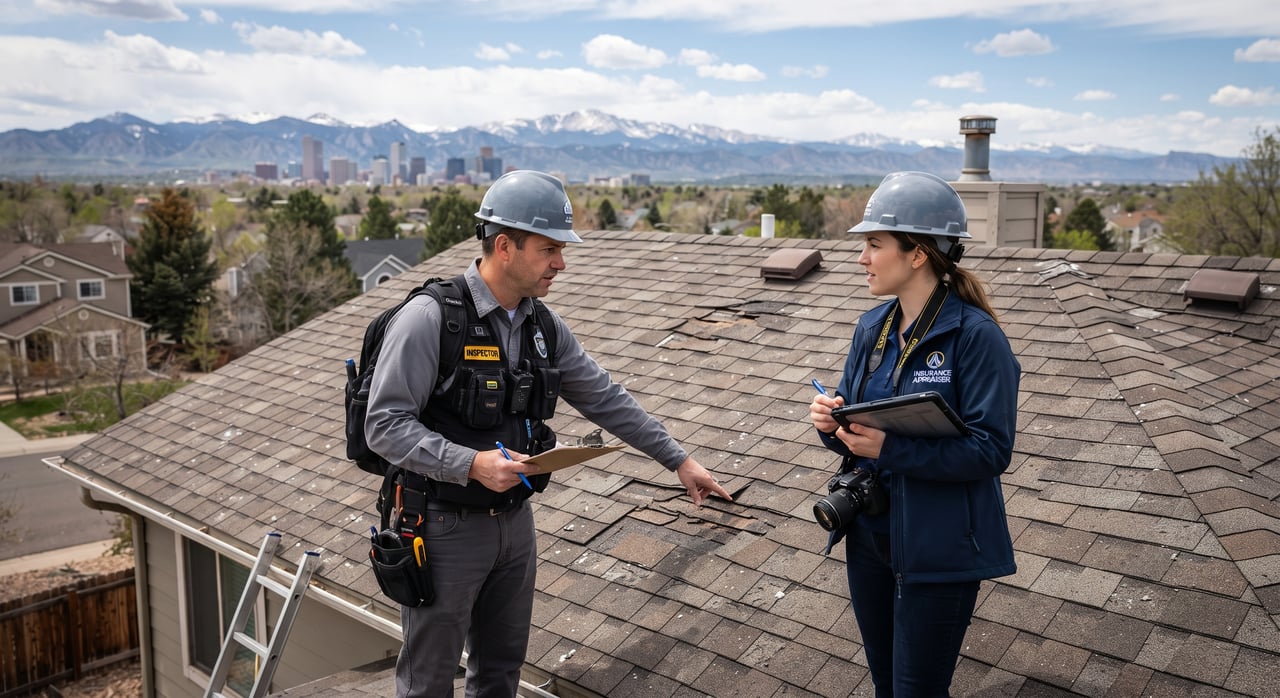
What changes when you trade your Texas address for Denver, from housing and taxes to neighborhoods, weather, commuting, and buying a home before you arrive.
Updated October 2026. This guide focuses on Denver and the surrounding metro area. Colorado’s mountain towns, foothills communities, and other cities require their own location-specific comparisons.
If you are thinking about moving from Texas to Colorado, you probably have a familiar list of questions. What will your housing budget buy? Will lower property taxes make up for state income tax? How different is the weather? Which neighborhoods should you explore? And can you buy a home before you get here without feeling like you are making the biggest decision of your life through a phone screen?
Those are the right questions. But the most useful answer is not that Colorado is better than Texas, or that everyone should trade square footage for mountain access. It is that the move needs to work for your household, your finances, and the life you will actually live after the boxes are unpacked.
My take: moving to Denver can be a great choice when you understand the tradeoffs and choose the location intentionally. Do not assume lower property taxes make Colorado cheaper overall, a mountain view guarantees convenient mountain trips, or a neighborhood you enjoyed on vacation will automatically fit your workweek.
I help relocation buyers sort through those details before they commit to a house or a moving date. This guide explains what I would want you to think about first, where Texas-to-Denver comparisons can go wrong, and how to build a plan that leaves you informed rather than rushed.
Texas vs. Colorado: Start With the Places You Would Actually Live
Dallas, Houston, Austin, San Antonio, and their surrounding communities do not offer one identical Texas experience. A central-city condo, an established neighborhood home, and a newer house in a master-planned community come with different routines and costs.
The same applies here. A home in central Denver, a newer suburban development, and a foothills property are not interchangeable versions of “living in Colorado.” Your commute, maintenance responsibilities, access to services, and daily activities may look very different.
That is why I would start with your current situation and a realistic Denver-area shortlist, rather than compare two state averages.
Decision | What to ask yourself | Why it matters |
|---|---|---|
Housing | Which features must I keep, and what would I trade for a different location? | Trying to reproduce your current home without testing the budget can narrow the search in unhelpful ways. |
Budget | What monthly payment leaves room for the rest of my life? | The lender’s maximum approval is not the same as a comfortable relocation budget. |
Work | Where will I work, how often will I commute, and when? | A location that works for remote work may not fit a daily office schedule. |
Neighborhood | What do I want nearby during an ordinary week? | Restaurants, parks, errands, parking, and services affect your experience after the move. |
Outdoor access | Do I want neighborhood recreation, mountain trips, or both? | Those are different location priorities and should be evaluated separately. |
Property condition | How much maintenance or renovation am I comfortable taking on? | The purchase price does not tell you what the home will require after closing. |
Timing | Should I sell first, buy before arriving, or rent temporarily? | The sequence affects financing, cash needs, housing arrangements, and pressure on the search. |
Housing: What Will Your Texas Budget Buy in Denver?
If you are leaving a spacious Texas home, it is natural to begin with the same bedrooms, garage, yard, and square footage on your Denver wish list. You do not need to apologize for wanting space. We do need to find out what those requirements mean in the locations you would consider.
I would not tell you to accept a smaller house simply because “you are paying for the lifestyle.” Sometimes the larger house is the right fit. Sometimes a shorter commute or a more convenient neighborhood is worth a different floor plan. The important thing is making that choice deliberately.
Separate Requirements From Familiar Features
Some features are essential to how your household functions. Others are things you are used to having.
Before touring, identify your three non-negotiables and three things you would consider trading. For example:
- A dedicated office may be essential, while a formal dining room is not.
- You may need secure equipment storage but not a particular garage configuration.
- A single-level layout may matter more than total square footage.
- You may accept a smaller yard if it reduces upkeep and puts useful destinations nearby.
- You may prefer more space even if it means driving farther for restaurants or activities.
This helps us distinguish a genuine compromise from simply choosing something different.
Compare Usable Space, Not Just the Listing Number
Look closely at how a listing reports above-grade and below-grade finished space. A home’s total square footage may include a basement, and that space may function differently from a large main level.
Think about where you would work, sleep, exercise, store belongings, and spend time together. Stairs, ceiling heights, natural light, room placement, and access to the yard can matter more than the total number.
A lower level can be useful. It should still be evaluated for condition, moisture concerns, applicable egress requirements, and the quality and documentation of the work.
Compare Actual Homes in Your Price Range
Rather than begin with “Denver costs more” or “Texas gives you more house,” build a small comparison of properties you would genuinely consider. Look at location, layout, condition, lot, ownership obligations, and the cash you would want available after closing.
That exercise gives you a more useful answer than comparing your current home with the most attractive listing you found in a completely different market segment.
For the broader household budget, my Denver cost-of-living guide looks beyond the purchase price to the expenses that affect everyday comfort.
Taxes: Lower Property Taxes Do Not Automatically Mean Colorado Is Cheaper
A Denver home can cost more than the Texas home you are leaving and still have a lower property-tax bill. But property taxes are only one part of the comparison.
Texas has no individual state income tax. Colorado does. Your household income, the actual properties being compared, insurance, HOA dues, any metro-district obligations, and maintenance all affect the financial tradeoff.
I would not increase your buying budget simply because someone told you Colorado property taxes are lower. Compare actual properties, ask your lender for a property-specific payment estimate, and have a qualified tax professional explain the income-tax effects of your move.
My Texas vs. Colorado property-tax guide covers this in detail, including exemptions, assessment differences, metro districts, and why a seller’s current tax bill may not tell you what to expect as the next owner.
Newer Construction or an Established Denver Neighborhood?
If you are moving from a newer Texas home, some established Denver properties may require a different approach to due diligence. A remodeled kitchen does not tell you the condition of the sewer, roof, electrical system, or drainage.
On the other hand, newer construction should not be treated as inspection-free or maintenance-free. The right question is what the specific home needs, how well it has been built and maintained, and whether you are comfortable with the responsibilities.
What to Evaluate in an Older Home
Depending on the property, I would want you to investigate:
- Roof condition, repair history, and insurance implications.
- Sewer condition and any documented repairs or replacement.
- Heating, cooling, water-heater, electrical, and plumbing systems.
- Drainage, grading, foundation concerns, and evidence of water intrusion.
- Basement conditions and the quality of finished spaces.
- Renovations, additions, permits, and available contractor documentation.
Not every finding is a deal-breaker. Some issues are manageable, some need a specialist’s opinion, and some may change whether the purchase makes sense.
I want you to understand the difference before you negotiate repairs or decide how much cash to keep available. A lower purchase price is not automatically a bargain if the necessary work exceeds your budget or willingness to manage it.
What to Evaluate in a Newer Community
Look beyond finishes and builder incentives. Review the location, contract terms, construction timeline, inspection opportunities, warranty process, landscaping responsibilities, and any association or district obligations.
Also distinguish what exists from what is proposed. A future retail center, park, road connection, or amenity should not be treated as something you can use today.
The best choice is not “old” or “new” in the abstract. It is the home and location whose responsibilities fit your life.
Denver Weather: Think About Preparation, Not Just Preference
Whether you prefer Colorado’s weather is personal. The more useful question is how the destination’s conditions affect your home, driving, and activities.
Do not use a ski vacation as your picture of winter in Denver, or one pleasant summer visit as your picture of the entire year. Likewise, the Texas climate you are leaving depends on where you live.
Ask Property-Specific Questions
- Does the home have the heating and cooling setup you expect?
- What does the maintenance history show?
- Who clears the sidewalk, driveway, and shared access?
- How are the roof, gutters, and drainage performing?
- What seasonal work does the landscaping or irrigation system require?
- What coverage, deductibles, and exclusions appear in the insurance quote?
These details tell you more about ownership than a promise that the weather is “better.”
If you are considering a foothills or mountain property, evaluate that location separately. Access, services, maintenance, and insurance should be part of the conversation before the setting becomes the deciding factor.
You do not need to become an expert on every home system before moving. You do need a process for finding out what the particular property will require.
Driving in Snow: Winter Roads, Tires, and Colorado Traction Laws
If you have limited experience driving in snow, this deserves a place in your relocation plan. You do not need to become a mountain-driving expert before moving to Denver, but you should understand your vehicle, prepare before winter, and know when changing the plan is the safest decision.
Getting around the Denver metro and driving into the mountains are different situations. A manageable trip near your home does not tell you what conditions will be like farther along a mountain route.
Snow Is Not the Only Winter Driving Hazard
Roads do not need deep snow to be dangerous. Rain or snowmelt can freeze as temperatures drop, creating difficult-to-see ice. Bridges, overpasses, and shaded areas require extra caution, and a road that looks wet may actually be slick.
The National Weather Service’s winter-driving guidance recommends slowing down, leaving extra space between vehicles, avoiding cruise control on slippery roads, and clearing snow from the entire vehicle, including the roof.
- Give yourself extra travel time rather than trying to maintain your normal schedule.
- Leave more following distance and avoid sudden changes in speed or direction.
- Clear the windows, mirrors, lights, and roof before leaving.
- Give snowplows plenty of room.
- Delay nonessential travel when conditions exceed your equipment or experience.
There is nothing wrong with postponing an outing or choosing a different work arrangement when possible. A winter storm is not the time to prove that you can make the drive.
Do You Need All-Wheel Drive to Live in Denver?
I would not tell you to replace your vehicle simply because you are moving. Start with a qualified tire or automotive professional who can evaluate its condition, tire suitability, and the driving you expect to do.
All-wheel drive and four-wheel drive do not make a vehicle immune to losing traction. Appropriate tires, adequate tread, cautious driving, and the conditions themselves still matter.
Before winter, review tire condition, battery health, wipers, washer fluid, and the manufacturer’s guidance on traction devices. Keep a snow brush, ice scraper, warm layers, and an emergency supply kit in the vehicle. Prepare before a forecast turns into a last-minute shopping trip.
Colorado’s Passenger Vehicle Traction Law: What to Know
Colorado has traction requirements for passenger vehicles, not just commercial trucks. Seasonal requirements affect the I-70 mountain corridor between Morrison and Dotsero from September 1 through May 31, and CDOT can activate traction or chain restrictions on other state highways when conditions warrant.
CDOT’s current passenger-vehicle guidance identifies qualifying winter, all-weather, or marked M+S or M/S tires with at least 3/16-inch tread, or chains or an approved alternative traction device, as the relevant equipment options under traction restrictions. Do not assume that an AWD badge, ordinary tires in poor condition, or a rental reservation automatically means you are prepared or compliant.
The stronger Passenger Vehicle Chain Law is different: when it is activated, every vehicle must have chains or an approved alternative traction device, including vehicles with all-wheel drive or four-wheel drive.
Review CDOT’s current Passenger Vehicle Traction and Chain Laws before mountain travel. Confirm that any device is approved, compatible with your vehicle, and usable according to the manufacturer’s instructions. The current restriction, posted signage, and official guidance govern your trip.
Check the Entire Route Before a Mountain Trip
Check the forecast for your destination and the route, not just the weather outside your house. Review closures, restrictions, and road conditions through COtrip, which CDOT identifies as an official source for active travel restrictions and roadway information.
If you are renting a vehicle, confirm the actual tires and permitted traction equipment rather than relying on the vehicle category. Build flexibility into the trip so a hotel reservation, lift ticket, or dinner plan does not pressure you to continue into unsafe conditions.
Think About Winter When Choosing the House
Winter driving connects directly to the home search. When we evaluate a property, consider:
- Whether you will park in a garage, driveway, shared lot, or on the street.
- The slope and exposure of the driveway, steps, and walkways.
- Whether shaded areas or drainage patterns could create recurring ice concerns.
- Who handles snow removal and what an association or service agreement actually covers.
- How the location works if you need to change a commute, delivery, or appointment during a storm.
A steep driveway or longer route may be an acceptable tradeoff. It should be a choice you understand before buying, not something you discover during your first difficult morning.
Which Denver Neighborhoods Fit Your Texas Lifestyle?
“What is the Denver equivalent of my Texas neighborhood?” is a useful conversation starter. It is not a reliable shortcut to choosing a house.
Tell me what you like about where you live now, not just its name. Is it the restaurants, lot sizes, architecture, privacy, commute, nearby activities, or easy access to errands? Then tell me what you want to change.
If You Want Neighborhood Restaurants and Shops
We can use West Highland and Platt Park as starting points for research, then compare the specific addresses and destinations that interest you.
Look at the actual walk, crossings, parking, noise, and housing options. A neighborhood with a commercial district does not mean every home offers the same convenient access to it.
If you liked a particular Texas area because you could walk for coffee or dinner, that specific feature matters more than whether someone describes both neighborhoods as “similar.”
If You Prefer a Planned Neighborhood Setting
Explore Central Park and Lowry as possible research starting points. Compare available home types, the location of amenities you would use, and the responsibilities attached to each property.
Do not assume a planned neighborhood recreates the Texas community you know. The layout, property options, costs, and daily routine still need to fit.
If Space, Privacy, or a Particular Layout Comes First
Start with those requirements rather than a fashionable neighborhood name. A search for a single-level home, substantial garage space, a private yard, or room for a specific activity may lead us to several parts of the metro.
It is fine if you prefer driving to restaurants in exchange for a house that works better. The point is to choose that tradeoff, not discover it after closing.
If Schools Are a Priority
Define what you need from the school experience, then independently verify address-specific assignments, enrollment rules, programs, and transportation with the relevant district.
I would not choose a home based on a broad “good schools” label or assume the nearest school is automatically the assigned school.
If You Are Still Unsure Where to Begin
Use my Denver neighborhood guides to build a shortlist. Then we can test it against the homes available, your workplace, and the places you expect to use regularly.
You do not need a perfect neighborhood list before reaching out. Narrowing the list is part of the work.
Choose Around Your Workweek, Not Just Your Weekend Plans
Mountains, trails, restaurants, concerts, and weekend trips may all be part of the appeal. Your ordinary Tuesday still needs to work.
Where will you work? Where will you exercise, buy groceries, see friends, take care of appointments, and run the errands you cannot avoid? How much driving are you comfortable doing?
Be Specific About Outdoor Access
Walking a neighborhood trail after work, cycling from home, and driving to a mountain destination are different location priorities.
If one activity is a major reason for moving, identify the actual destinations and routes. Do not choose a property solely because it is described as “close to the mountains.”
Test the Commute You Will Actually Have
Check the route to your workplace at the times you expect to travel. Consider the practical details of parking, transit connections if relevant, and any schedule changes you already know about.
If you work remotely, think about whether the house supports that arrangement and whether your location would still work if your employment situation changed.
I would rather help you choose around the week you will live than the vacation version of Colorado.
How I Would Plan Your First Denver Home-Search Trip
A productive scouting trip is not a contest to tour the most houses. It should help you eliminate the wrong locations, understand your options, and decide what to do next.
Before You Book
Confirm your comfortable budget, financing plan, approximate move timing, workplace, and non-negotiables. If the purchase depends on selling your Texas home, make that part of the conversation immediately.
My Denver Buyer Game Plan helps organize those first steps so the trip has a purpose.
During the Trip
- Compare a manageable number of areas. Choose locations that show meaningful differences rather than spending the whole trip crossing the metro.
- Tour neighborhoods as well as houses. Leave time to walk, run an errand, and see what surrounds the properties you like.
- See more than one type of option. If you are unsure about size, condition, or location, compare alternatives that help resolve that question.
- Test your routine. Visit relevant destinations and check the routes you expect to use.
- Leave room to think. A packed schedule can make every house blur together. Take notes on the tradeoffs, not just the finishes.
After the Trip
Identify what became clearer. Did you decide that you need more space? That you would rather renovate than commute farther? That you are not ready to choose a location?
A trip that prevents the wrong purchase can be successful even if you do not make an offer. You do not need to buy something simply because you already paid for the flight.
Should You Sell in Texas First, Buy Before Arriving, or Rent in Denver?
The right sequence depends on your finances, available cash, familiarity with the area, and tolerance for uncertainty. There is no universal best order.
Approach | Main advantage | What to plan around |
|---|---|---|
Sell in Texas before buying | More clarity about sale proceeds and cash available for the Denver purchase. | Interim housing, storage, and avoiding pressure to choose the next home too quickly. |
Buy before moving | A destination home can be ready for arrival. | Financing requirements, remote evaluation, and possible overlapping payments. |
Rent first | Time to experience locations and routines before purchasing. | Lease terms, a potential second move, and changing purchase conditions. |
When Selling First Deserves Serious Consideration
If you need the proceeds or must eliminate the existing mortgage obligation to qualify, resolve that with your lender before building a purchase timeline.
Also work through a realistic range of Texas sale outcomes. A plan based on receiving your ideal price immediately leaves little room for delays or negotiation.
When Renting First Can Be Useful
Renting can make sense when your workplace, preferred neighborhood, household needs, or long-term plans are unsettled. It gives you an opportunity to learn before making a larger commitment.
It also has costs. Review the lease, moving arrangements, storage needs, and what another move would involve. My Denver rent-versus-buy guide helps frame that decision.
When Buying Before Arrival Can Work
Buying before moving can be reasonable when the location is well understood, financing is in place, and the property can be evaluated thoroughly.
If two transactions must fit together, my guide to buying and selling at the same time explains the planning questions. The Texas and Colorado professionals involved should understand the dependencies and backup plans.
Buying a Denver Home While You Still Live in Texas
Remote buying is not just receiving a video of a pretty kitchen and deciding whether to submit an offer.
I want the process to help you understand the location, the home’s function, its visible condition, and what still needs to be investigated.
What a Useful Remote Tour Should Show
- The approach to the property and immediate surroundings.
- The relationship between rooms, not just individual room shots.
- Natural light, storage, stairs, and spaces that may be awkward to use.
- The garage, exterior, yard, and visible drainage conditions.
- Mechanical areas and visible concerns that need follow-up.
- Anything you specifically need to evaluate for work, mobility, hobbies, or household routines.
A recording is useful for reviewing details. A live walkthrough lets you ask questions and direct attention to the things that matter most to you.
What Video Does Not Replace
A video tour is not an inspection, a specialist’s evaluation, or a substitute for every aspect of experiencing a property in person.
We still need appropriate due diligence, a clear understanding of contract deadlines, and qualified evaluations where the property calls for them. The fact that you are out of state should not become a reason to skip the work.
My guide to buying a Denver home from out of state walks through the process in more detail.
What to Confirm Before Setting a Firm Moving Date
A relocation plan has more moving parts than a home search. Before making nonrefundable arrangements, work through these items:
- Your job start date, work location, and any lender requirements related to employment or remote-work approval.
- Whether your Texas home must sell before the Denver purchase can proceed.
- How sale proceeds will become available and what your lender and title company require.
- The difference between closing and possession, including any agreed occupancy arrangements.
- Inspection, insurance, financing, and title questions that remain unresolved.
- Signing arrangements if you will be outside Colorado.
- A backup plan for lodging, storage, pets, and essential belongings if timing changes.
I do not want a moving truck, a lease deadline, or a hotel reservation becoming the reason you accept a property or condition issue that does not work for you.
The more dependencies we identify early, the easier it is to separate an inconvenient delay from a decision that would create a much larger problem.
Common Texas-to-Denver Relocation Mistakes I Would Help You Avoid
Trying to Recreate Your Texas Home Before Learning the Options
Keep the features that matter, but test the assumptions behind the rest. A different layout or location may work better, or you may discover that preserving the space is the right priority.
Choosing a Neighborhood From Photos and Reputation
Attractive listings and enthusiastic descriptions cannot show you every part of the routine. Evaluate the address, routes, surroundings, and destinations you expect to use.
Stretching the Budget Because One Expense Looks Lower
A potential tax saving is not a reason to ignore other costs or use every available dollar at closing. Leave room for the move, repairs, and ordinary surprises.
Assuming Every Listing Offers the Same Negotiating Opportunity
Evaluate price, condition, history, and competing options. A long-listed home is a reason to investigate, not proof of a bargain. An appealing home still needs a disciplined offer strategy.
Letting Travel Plans Decide Whether You Buy
A scouting trip can clarify the search without producing a purchase. Do not turn the end of the trip into an artificial deadline to choose a house.
Is Moving From Texas to Colorado Worth It?
It can be. The answer should come from your priorities rather than a promise that a different state automatically produces a better life.
If your most important goals are a particular amount of space, proximity to family, or a financial arrangement that works well in Texas, staying may be the better choice.
If the Denver-area home and routine you can afford better support your work, relationships, and activities, the move may be worthwhile.
You do not need to decide that smaller is better or that mountain access should outrank everything else. You need to understand what you would gain, what you would give up, and whether the trade feels right after the excitement of relocating wears off.
A good plan gives you room to make that decision before you are under pressure to buy.
Frequently Asked Questions About Moving From Texas to Colorado
Is moving from Texas to Colorado worth it?
It can be if the home, location, and daily routine you can afford in Colorado better support your priorities. I would compare what you expect to gain with what you would give up, including space, proximity to family, housing costs, and familiar routines. You do not need to decide that one state is better. You need to decide whether the specific move works for your household after the excitement wears off.
Is it cheaper to live in Colorado or Texas?
There is no dependable answer for every household. Compare your actual housing options, income-tax situation, property taxes, insurance, transportation, and normal spending. A lower expense in one category can be offset elsewhere. My Denver cost-of-living guide can help you organize the budget, but the most useful comparison uses your household’s numbers and the locations you would realistically choose.
Are property taxes lower in Colorado than in Texas?
Colorado property-tax bills can be lower than those on similarly priced Texas homes, but the result depends on the addresses, assessments, exemptions, local taxing entities, and special districts involved. Do not estimate your future payment from a statewide rate or assume a seller’s current tax bill will remain unchanged. My Texas vs. Colorado property-tax guide explains what to verify before comparing homes.
Will lower property taxes offset Colorado’s state income tax?
Not necessarily. Texas has no individual state income tax, while Colorado does. Whether property-tax savings offset any part of that difference depends on your income, the properties being compared, and other costs. Have a qualified tax professional evaluate your household’s situation, including the timing of the move. I would not increase your housing budget on the assumption that the two taxes will cancel each other out.
What costs should I budget for beyond the mortgage payment?
Include property taxes, insurance, applicable mortgage insurance, HOA dues, maintenance, utilities, and likely near-term repairs. Verify any metro-district obligations and whether they are already included in the property-tax estimate so you do not count them twice. For the move itself, allow for travel, movers, storage, temporary housing, deposits, and setup costs. The goal is to know what remains after closing, not simply whether you have enough to complete the purchase.
Will I get less house for my money in Denver?
You may, depending on the Texas market you are leaving and the Denver-area locations you want. Compare actual homes within your comfortable budget rather than assuming the tradeoff is identical everywhere. Look at usable layout, above-grade and basement space, lot, garage, condition, and commute. A smaller home may work better, or preserving your current space may remain the right priority. We should test both possibilities.
Should I choose an older Denver home or newer construction?
Start with your location priorities, maintenance tolerance, and budget. For an older home, investigate the systems, drainage, sewer, roof, and renovation history rather than judge it only by finishes. For newer construction, review the contract, inspection opportunities, warranty process, completion timing, and ongoing obligations. Neither age category guarantees quality or a trouble-free purchase. The right choice is the property whose condition and responsibilities you understand.
How do I decide which Denver neighborhoods to explore?
Begin with your comfortable budget, workplace, required home features, and the places you expect to use regularly. Then identify the tradeoffs you would consider. My Denver neighborhood guides are a starting point, but I would narrow your shortlist around your routine rather than send you to a neighborhood because other Texas buyers liked it.
Is there a Denver equivalent of my Dallas, Houston, or Austin neighborhood?
There may be areas worth comparing, but I would not promise a one-to-one equivalent. Tell me what you like about your current neighborhood: restaurants, architecture, lot sizes, privacy, commute, or convenient errands. Those features give us a better search framework than the neighborhood name alone. We can then compare candidate locations and the homes available within your budget.
Should I live in Denver or one of the surrounding communities?
Choose based on the house and routine you need, not the city label. Compare workplace access, housing options, recurring costs, and the destinations you will use. Test the tradeoffs at specific addresses. Being outside Denver does not automatically make a location cheaper or more convenient, just as a Denver address does not automatically provide the walkable experience you may want.
How should I research schools before choosing a home?
Define what matters to your household, then verify address-specific assignments, enrollment rules, programs, and transportation directly with the relevant district. Do not assume the closest school is the assigned school or rely solely on a listing description. I can help you organize the home search around requirements you identify, while you evaluate the schools and confirm the information important to your decision.
What should I consider about commuting and mountain access?
Test the trip to your actual workplace at the times you expect to travel. Separately evaluate the routes to the recreation destinations you plan to visit. Neighborhood trail access, an occasional mountain trip, and frequent winter travel are different priorities. A location should work for your ordinary week as well as your preferred weekend activities.
Is Denver weather better than Texas weather?
That is a preference, not a universal fact. Compare the climate of your current location with your actual destination, and think about how it affects comfort, driving, maintenance, and activities. A vacation is not a complete picture of living somewhere year-round. Denver and Colorado’s mountain communities should also be evaluated separately rather than treated as the same weather experience.
Do I need a different vehicle for winter driving in Colorado?
I would not tell you to replace a vehicle simply because you are moving. Have a qualified automotive or tire professional evaluate its condition, tires, manufacturer guidance, and the driving you expect to do. Mountain travel requires separate preparation. Appropriate tires, adequate tread, and cautious driving matter even with all-wheel drive or four-wheel drive.
What are Colorado’s traction laws, and do they apply to passenger cars?
Yes, Colorado has passenger-vehicle traction requirements. Seasonal rules affect I-70 between Morrison and Dotsero from September 1 through May 31, and CDOT can activate restrictions on other state highways when conditions require. Traction restrictions and the stronger Passenger Vehicle Chain Law have different equipment requirements. Check CDOT’s current guidance, your vehicle’s equipment, and the restrictions in effect before traveling rather than assuming an SUV or rental vehicle is automatically compliant.
How should I prepare for my first winter commute?
Prepare the vehicle before the first storm, check the forecast and road conditions, clear snow from the entire vehicle, and allow extra time. Slow down, leave more following distance, and avoid cruise control on slippery roads. Pay particular attention to bridges, overpasses, and possible ice. If conditions exceed your experience or equipment, postpone the trip or use another workable arrangement.
What inspections should I consider when buying a Denver home?
Start with a qualified general inspection and discuss additional evaluations appropriate to the property. Sewer condition, roof concerns, HVAC performance, electrical issues, drainage, structural questions, and radon may require further investigation or specialist input. The goal is to understand material risks and likely costs before your decision deadlines, not treat every finding as a reason to cancel or every cosmetic improvement as proof of good condition.
Can I buy a Denver home while still living in Texas?
Yes. A focused remote search can combine neighborhood research, live video tours, recorded walkthroughs, independent inspections, and coordinated closing arrangements. My out-of-state homebuying guide explains the process. The important part is knowing what can be evaluated remotely, what needs qualified follow-up, and which questions remain before committing.
Should I visit Denver before making an offer?
If a visit is practical, use it to answer questions that are difficult to resolve remotely, especially about location and daily routine. You do not need to tour every available house. A scouting trip can help eliminate unsuitable areas and clarify priorities. If you cannot travel, we should discuss the limits of remote evaluation and the additional information you need before deciding.
Should I rent first or buy before moving?
Renting can be useful when your workplace, preferred area, or long-term plans are unsettled. Buying may make sense when you understand the location, can comfortably afford ownership, and expect the home to fit for an appropriate period. Compare flexibility, lease obligations, transaction costs, and a possible second move. My Denver rent-versus-buy guide helps frame that decision.
Should I sell my Texas home before buying in Colorado?
First ask your lender whether the purchase depends on sale proceeds or eliminating the existing mortgage obligation. Selling first can provide more certainty about available cash, while buying first can create overlapping costs. Neither sequence is automatically best. We should compare financing, a realistic Texas sale timeline, interim housing, and your comfort with carrying risk.
Can I coordinate selling in Texas and buying in Denver at the same time?
Yes, but the transactions need coordinated expectations and backup plans. Align financing, sale proceeds, contract dates, possession, and moving arrangements with the professionals handling both sides. My guide to buying and selling at the same time explains the decisions to make before either transaction becomes urgent.
Can I close on a Denver home without being in Colorado?
Closing arrangements depend on your lender, title company, documents, and circumstances. Confirm the available signing options early rather than assume everything can be completed electronically. Tell the team where you will be and whether travel or other limitations affect availability. Make sure you understand funding, recording, and possession timing before coordinating the move.
How early should I start planning a Texas-to-Denver move?
Start when you can identify the major decisions, even if the moving date is not firm. Employment, financing, a Texas sale, location research, and temporary housing may each affect the sequence. An early conversation does not commit you to buying immediately. It helps identify what to resolve now and what can wait.
How can Sallie Simmons help with my relocation?
I can help you narrow locations, compare actual homes, organize a scouting trip or remote search, and evaluate the property and timing questions that affect the purchase. Start with my Texas-to-Denver relocation guide, or contact me with your starting location, expected workplace, comfortable budget, and approximate timeline. We can build the plan around your circumstances.
Let’s Build a Texas-to-Denver Move Plan Around Your Life
You do not need to arrive with a finished neighborhood shortlist or a decision to buy immediately. We can start with what you know and identify what needs to be resolved next.
Tell me where you are moving from, where you expect to work, your comfortable housing budget, and your approximate timeline. I can help you narrow the locations worth exploring and decide whether the next step should be a scouting trip, a remote search, or a rental.
Start with my Texas-to-Denver relocation guide, or contact Sallie Simmons to talk through your situation.
Call or text 662.588.2420. Let’s make the next decision clearer before the move becomes urgent.